The Council of State and the Museo del Prado
Museo Nacional del Prado. Madrid 6/15/2026 - 9/20/2026
The Museo Nacional del Prado, in partnership with the Council of State, has designed a thematic collection itinerary of thirteen selected works that survey five centuries of Spain's political, institutional and cultural history.
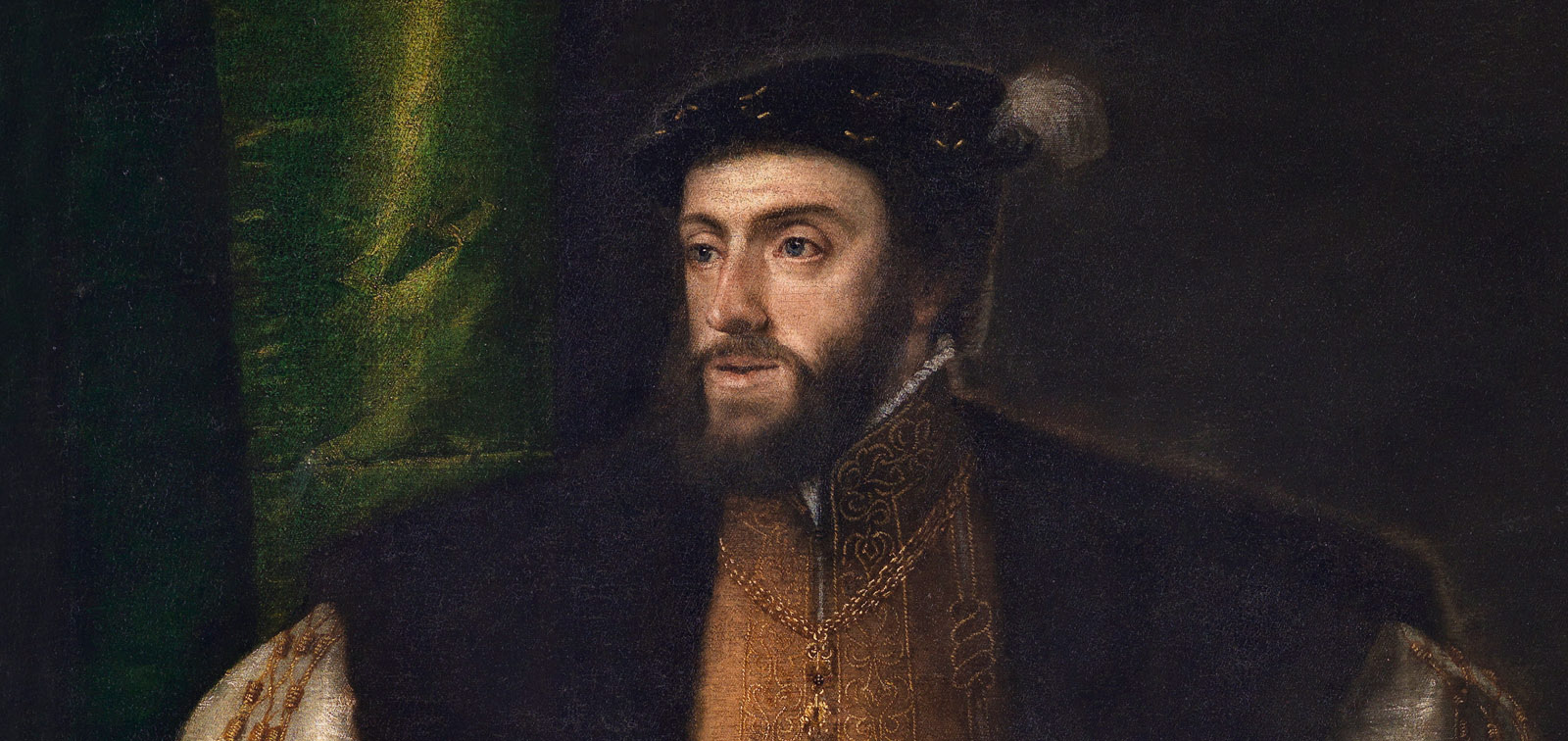
Ranging from Charles V, founder of the council, to prominent figures of the Age of the Enlightenment and the nineteenth century, this route offers a new perspective on the museum’s permanent collection and shows how portraiture was not only a prized artistic genre but also a powerful means of displaying power, influence and memory.
This fresh look at the museum’s holdings commemorates the 500th anniversary of the Council of State through some of the most remarkable portraits of the institution’s historical members.
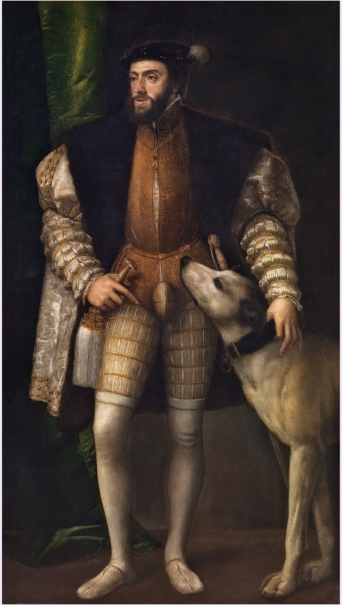
The selection begins with a pivotal figure: Charles V, founder of the Council of State, depicted by Titian in one of the finest examples of sixteenth-century portraiture. The itinerary continues through different periods in the history of the portrait and, at the same time, in the evolution of the representation of power in Spain.
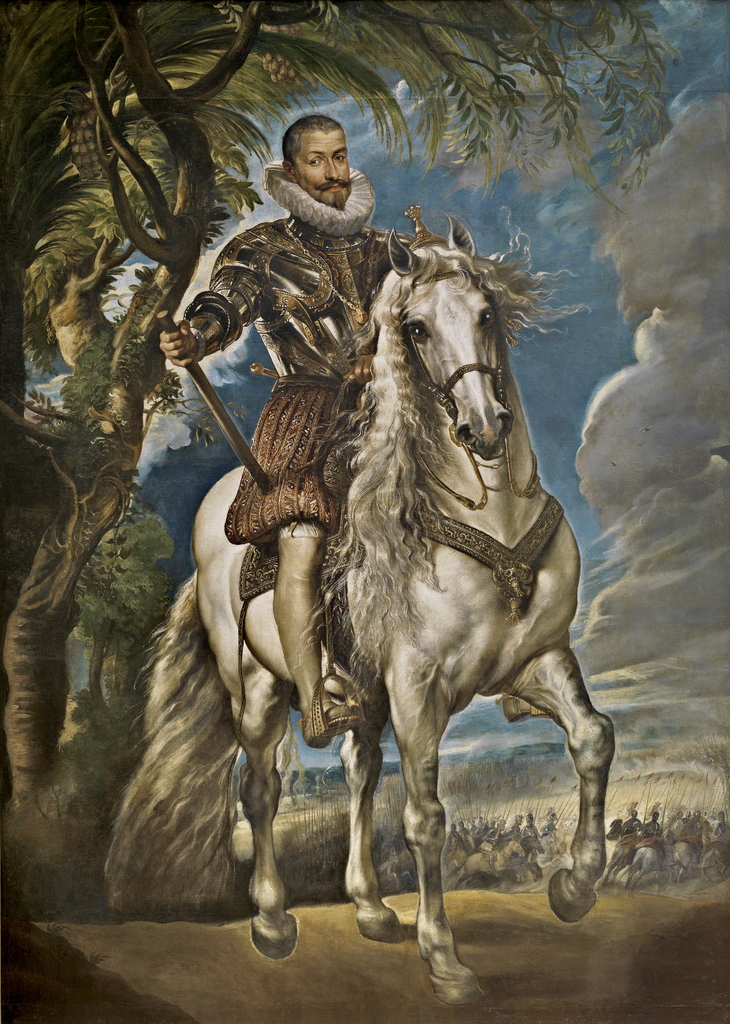
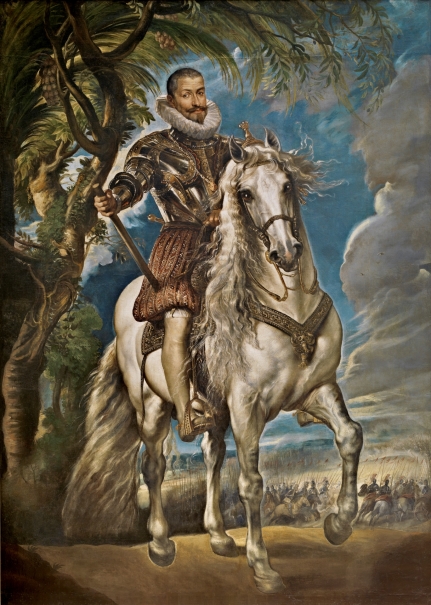
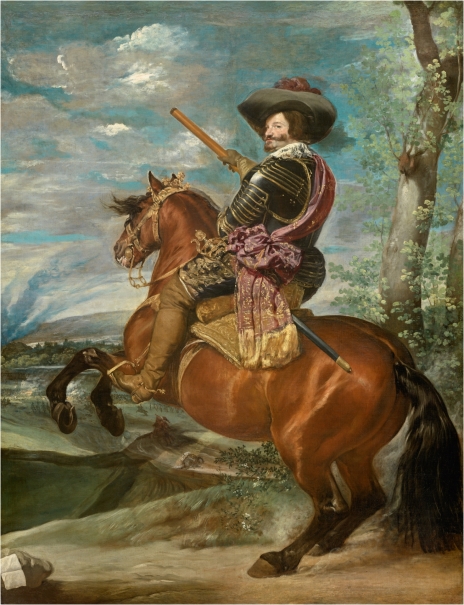
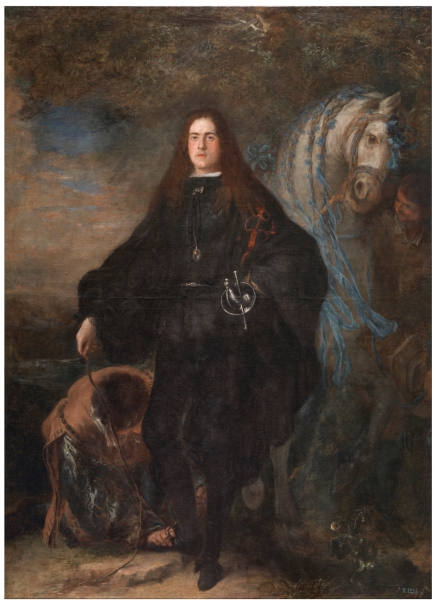
Leopoldo Calvo-Sotelo, Secretary General of the Council of State, and Javier Barón, Head of the Nineteenth Century Painting Department at the Prado, had a hand in devising this route, which features three outstanding examples of Baroque court portraiture: the Duke of Lerma painted by Rubens; the Count-Duke of Olivares by Velázquez; and the Duke of Pastrana by Juan Carreño de Miranda. These works attest to the political importance of their subjects as well as to an extraordinary moment in the history of Spanish portraiture, marked by the influence of the Venetian and Flemish schools.
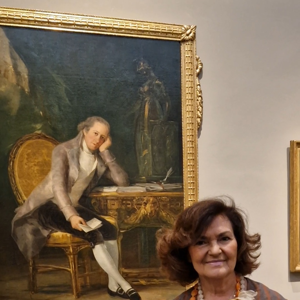
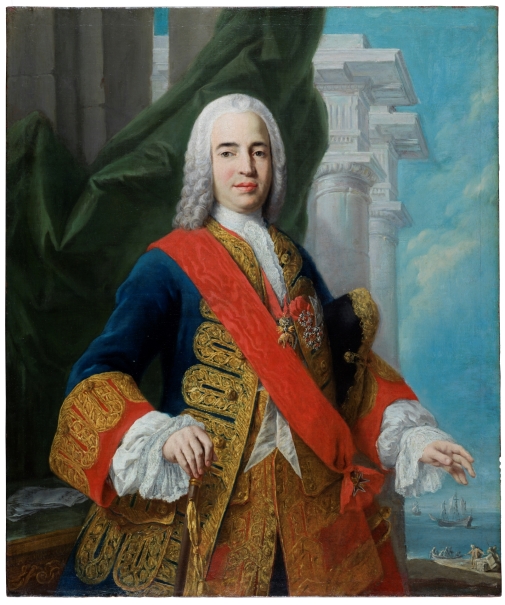
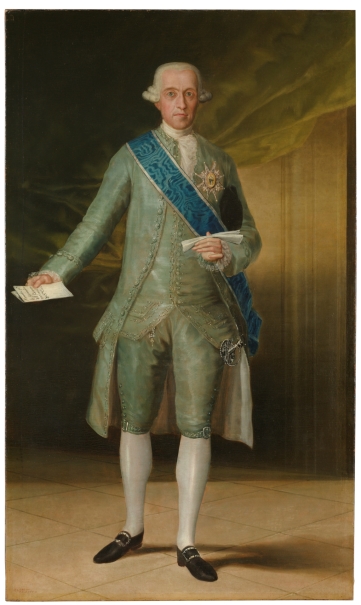
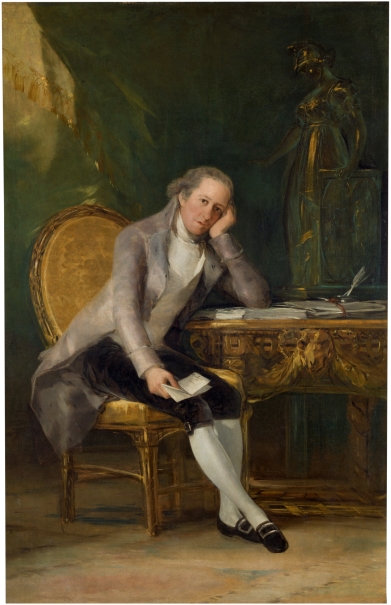
The eighteenth century is represented by distinguished figures of Enlightenment Spain like the Marquess of La Ensenada, portrayed by Jacopo Amiconi, and the Count of Floridablanca and Jovellanos, both immortalised by Goya. Their likenesses show that, in addition to displaying status and authority, portraits in this period had begun to express ideas, reforms and a new concept of state or public service.
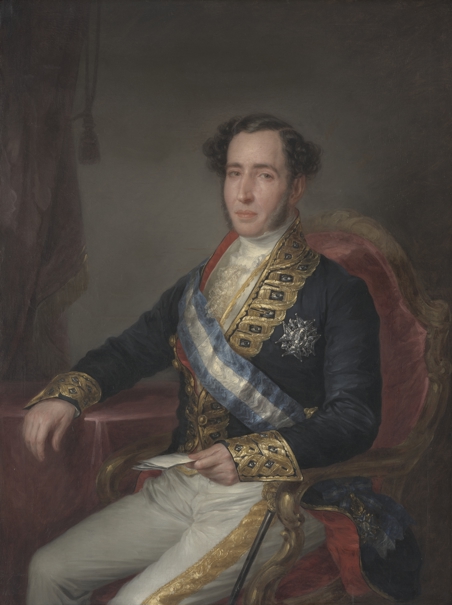
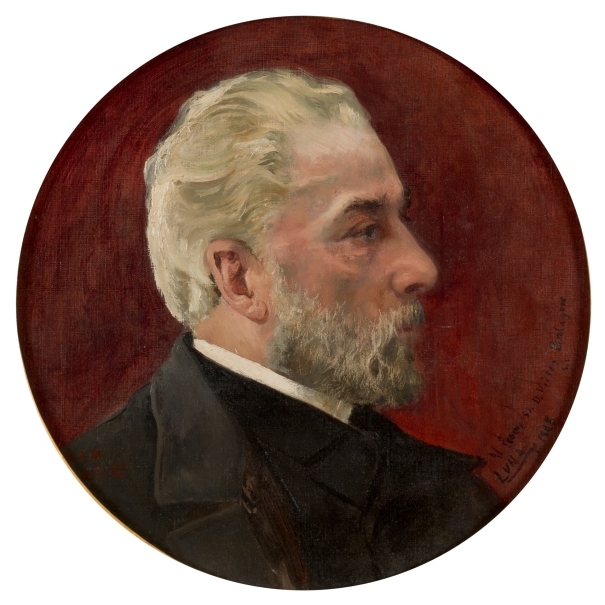
The itinerary then moves into the nineteenth century, when the portrayal of public figures began to incorporate new formats and media. One outstanding Spanish artist of this period was Antonio María Esquivel, whose group portrait of contemporary poets included several writers that were also on the Council of State. The selection contains examples of lithography and photography as well as painting, showing how the portrait changed and circulated more easily in the contemporary world.
In addition to marking a special occasion, this itinerary fulfils one of the Prado’s main objectives, which is to offer visitors new ways of viewing and interpreting its permanent collection and sharing narratives that explain how art is tied to history, politics and culture. Like other thematic collection itineraries the museum has organised in the past, this initiative brings works from different eras together to reveal unexpected connections and introduce new points of view.
In this case, the central theme is the Council of State, one of Spain’s oldest institutions, whose history can be traced in the features of the individuals who served on it. The result is a route that allows visitors to discover not only masterpieces of European and Spanish painting but also a history of institutional continuity, public representation and memory-making.
With this initiative, the Prado reaffirms its identity as a museum open to new interpretations that can activate its collection from multiple perspectives. “The Council of State and the Museo del Prado” invites us to see portraits not merely as likenesses of distinguished individuals, but also as living proof of the shared history between art and public institutions.