
Loading...
Packaging for the Trip to Geneva
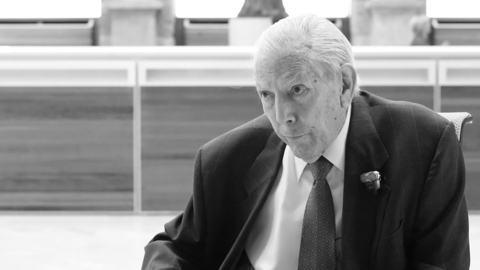
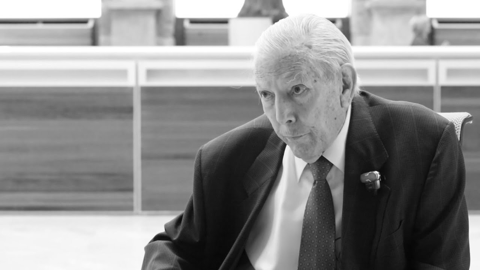
Ángel Macarrón Serrano, Transportation of Works (Casa Macarrón), 1937-1939Packaging for the Trip to Geneva
Ángel Macarrón Serrano, Transportation of Works (Casa Macarrón), 1937-1939
The packaging was made by my father, my uncles and the employees we had. I knew all the old employees. Our workshop was located in Calle Jovellanos, in a semi-basement on the corner of Calle de los Madrazo. I lived with my grandmother until I was sixteen years old.
The crates were generally made of jointed wood, with a tongue that slipped into the groove. In those days the normal packaging was made with a batten, consisting of a series of boards that didn’t link with the joins. They were glued, but you could see some light seeping through. And they were always lined with tarpaper, which meant the tar would keep out any kind of dampness. And inside, if it was a very delicate picture, the work would be wrapped in special paper. And to prevent the paper from rubbing against the canvas and the paint, we’d make a kind of mesh out of string, so that the paper wouldn’t sink towards the picture. And that was in addition to the padding we placed on the corners; and if it was a very ornate frame, we’d pad the whole frame.
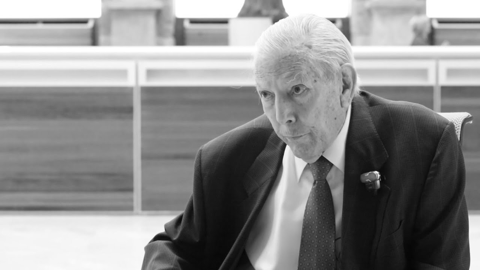
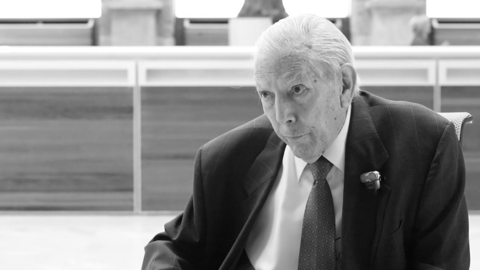
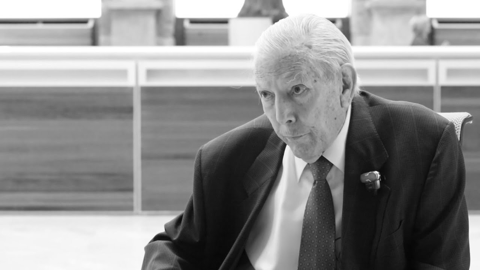
He is the grandson of the founder of Casa Macarrón, a company dedicated to transporting works of art, and helped to evacuate works from the Museo del Prado during the Spanish Civil War, and later return it.
Interview recorded on September 12, 2013
Interview index
5 / 6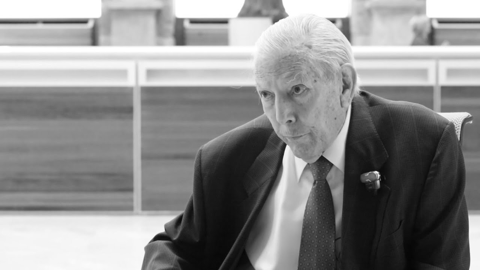
- Included in themes
- A crucial chapter: The Spanish Civil War
- Collective
- Transportation of Works
- Chronology
- 1930-1940
- RDF
- RDF
Theme
--
Voces del Prado