
Loading...
Suppliers of Artists and Restorers
Ángel Macarrón Serrano, Transportation of Works (Casa Macarrón), 1937-1939Suppliers of Artists and Restorers
Ángel Macarrón Serrano, Transportation of Works (Casa Macarrón), 1937-1939
Colours were made by hand by stone-grinders. I’ve dealt with all the old stone-grinders, and they only stopped making colours when Titan began to manufacture them, which meant they no longer used poor colours, like the ones that tended to be used in Spain. We also had all the foreign brands … Rowney, Talents, Bourgeois, all the brands, whether they were French or Belgium or English or German. We had them all.
What my grandfather began to do was to grind the colours, which he placed in tubes by hand. I even got to tube some paints by hand too. And he made his colours, his pigments, with Spanish materials that were good, although the finest colours were imported. At that time the colours we have now didn’t exist, such as Maimeri colours, which is for carrying out restorations. In those days they used watercolours and oils, leaving the colour on a piece of paper so that it would absorb the oil, because it’s the oil that makes the colour go off. And the oils were special, highly refined oils, which he placed in the sun. And in addition to linseed oil, artists employed walnut oil, which was used for finer colours, so that they increased less. He made poppyseed oil as well, which was clearer; it was poisonous, but didn’t change.
Of course, there are more modern things today. Now you have much more available, many other things. In the old days I lined and restored things. The liquids we have today and half of the things available today, we just didn’t have them back then. Things have progressed towards other materials and other things. But I’ve seen those delicate materials being made. It was my grandmother who made the varnish. She made the varnish for the Prado, which used it a lot. It was made with mastic and I’ve seen her make it in cylinders placed in bain-marie. I’ve seen my grandmother make it. She even made it in her own home, because she didn’t want to do anything over a flame in the workshop.
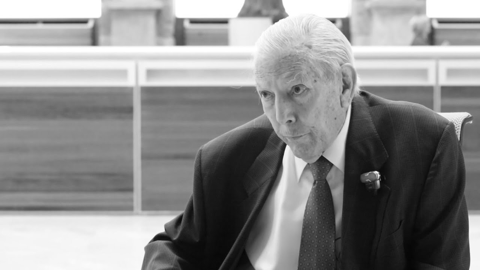
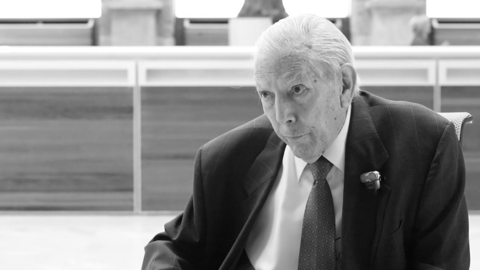
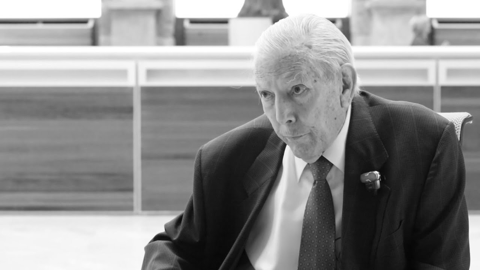
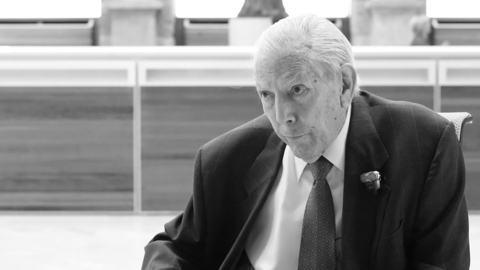
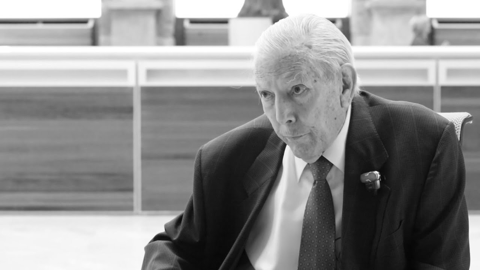
He is the grandson of the founder of Casa Macarrón, a company dedicated to transporting works of art, and helped to evacuate works from the Museo del Prado during the Spanish Civil War, and later return it.
Interview recorded on September 12, 2013
Interview index
2 / 6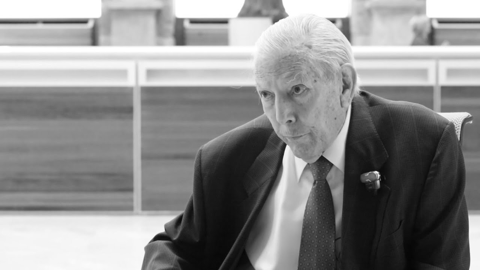
- Collective
- Transportation of Works
- Chronology
- 1890-1900
- RDF
- RDF
Theme
--
Voces del Prado