
Loading...
Traces of the creative process
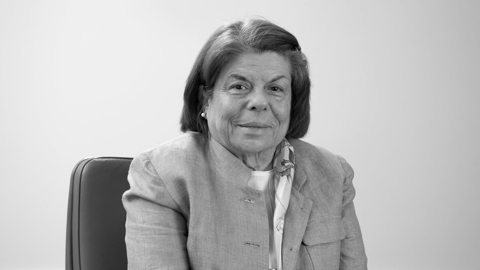
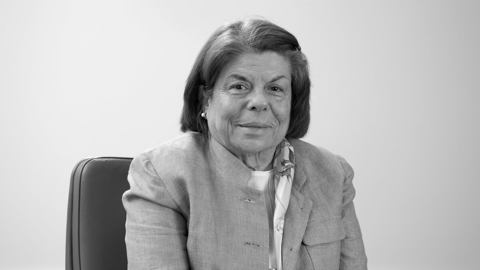
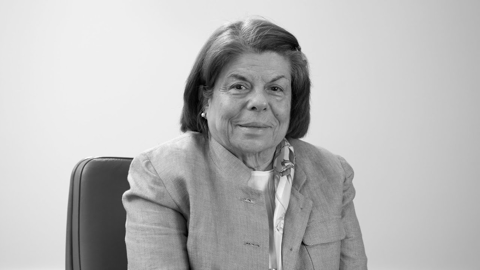
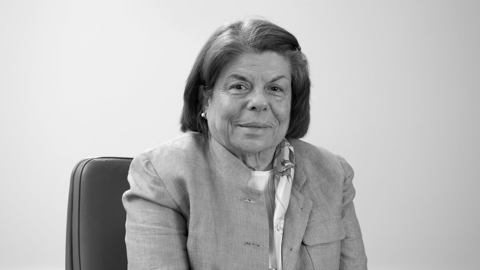
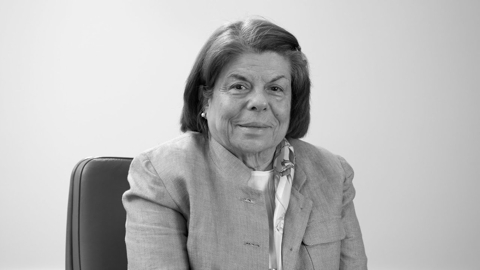
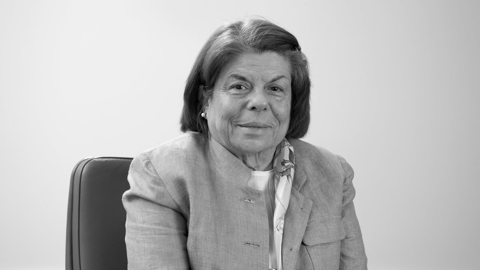
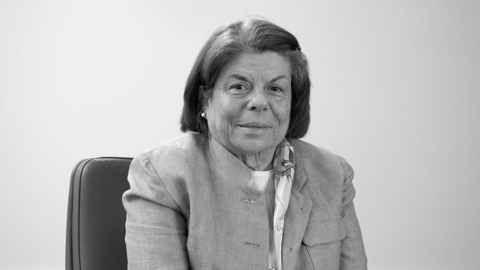
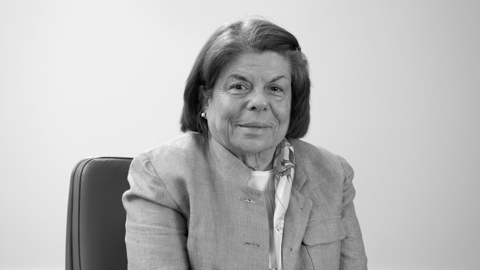
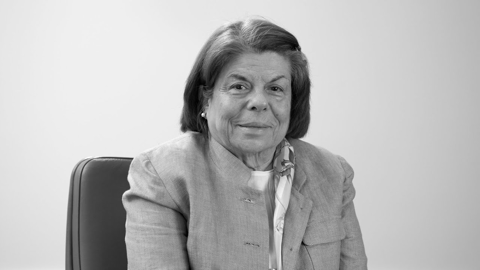
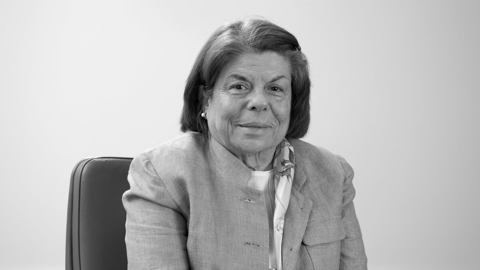
Carmen Garrido Pérez, Head of the Technical Office, 1982-2012Traces of the creative process
Carmen Garrido Pérez, Head of the Technical Office, 1982-2012
In an X-ray, the first thing you can expect is to see a painting beneath the final result, stories like that are always so entertaining for everybody, they are interesting and show that there was a preliminary project, a second one or other changes made by the painter.
But we move well beyond the X-ray. We study the canvas or other formats such as wood.
You have to look at Flemish paintings in a special way. The naked eye shows you some things but internally you find others. The X-ray tells you a lot about the brush strokes. When you look at a painting you see the end result, everything the artist produced at the end of the creative process. But there is a structure in the design, the layers and everything that is superimposed. Of course, the end result is what matters, but when you look into how the artist worked you want to find the successive layers of things. The X-ray shows how the artist applies the first layer of paint, and how the different stages are incorporated to the painting. In works that are copies, which were not poorly considered in their day, they only copy the final structure but not the internal process, and that internal process only shows up based on the painter's approach, the materials he used. The materials, the paint, which since the late 15th century and in the 16th, 7th and 18th centuries are based on white mixed with lead, that's what really shows up, it must be said that they had to apply it generously because for instance the final stages of a painting are done with very fine layers, they do not really show up on the end result of the X-ray. Infrared light basically reveals the underlying drawing, especially in the 15th and 16th century paintings of the major schools of painting, French, Spanish, Flemish and Italian. And the drawings are different, the same as the drawings on paper are different.
Head of the Office of Technical Documentation at the Museum, conservator with the Spanish Association of Museum Professionals. She has worked at the Escuela de Restauración of Madrid, as well as at the laboratory of the Instituto de Conservación y Restauración. She has participated in numerous research studies and publications.
Interview recorded on April 20, 2018
Interview index
5 / 17-
Creating the Technical Office -
Always on the move -
A small team -
The first X-ray. The Descent from the Cross, by Rogier van der Weyden -
Traces of the creative process -
The Countess of Chinchón. Three Goyas for the price of one -
Technical documentation. The bridge between Conservation and Restoration -
The challenges of the Technical Office -
Support from the directors -
Picasso's Guernica. Working on an iconic painting in the year 1981 -
"Déformation professionnelle". X-ray eyes -
Going into Las Meninas -
Pictures that look at you -
The impact of a painting -
Get to know things and you'll love them -
El Greco. A discovery and the dream of a lifetime -
There is life after the Prado
- Collective
- Technical Documentation
- RDF
- RDF
Collective
Technical Documentation
Inmaculada Echeverría Elvira
Head of the Technical Documentation and Laboratory Section, 1985-2024
Theme
--
Voces del Prado