Closed Triptychs in the Museo del Prado: From Grisaille to Colour
Madrid 11/5/2012 - 5/26/2013
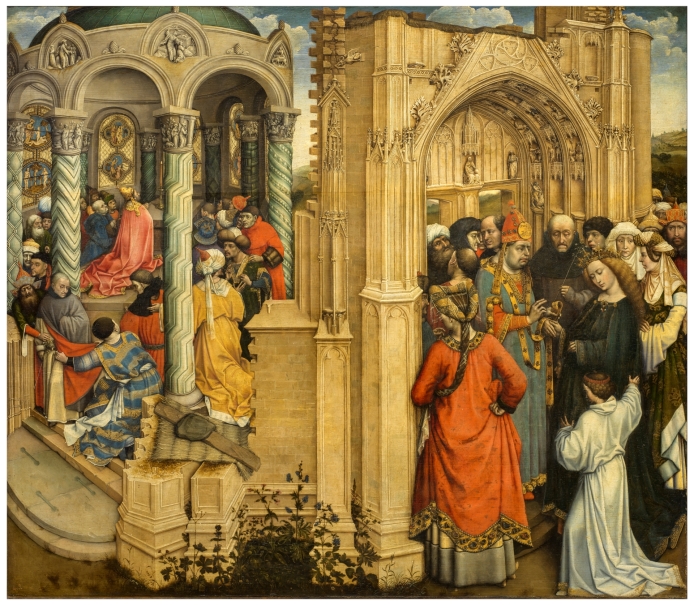
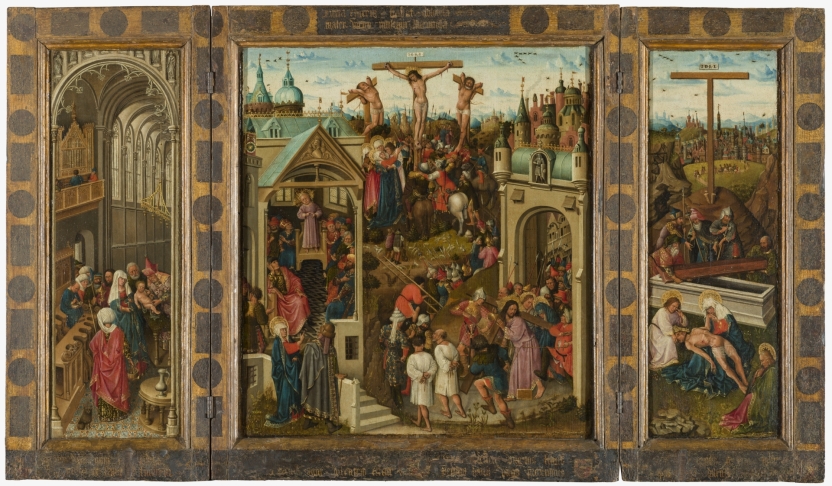
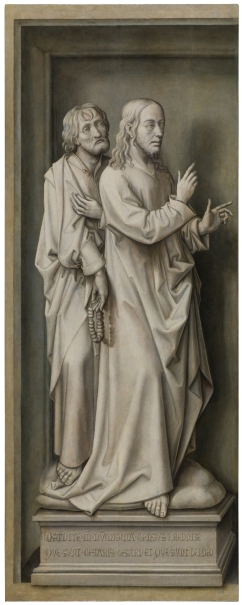
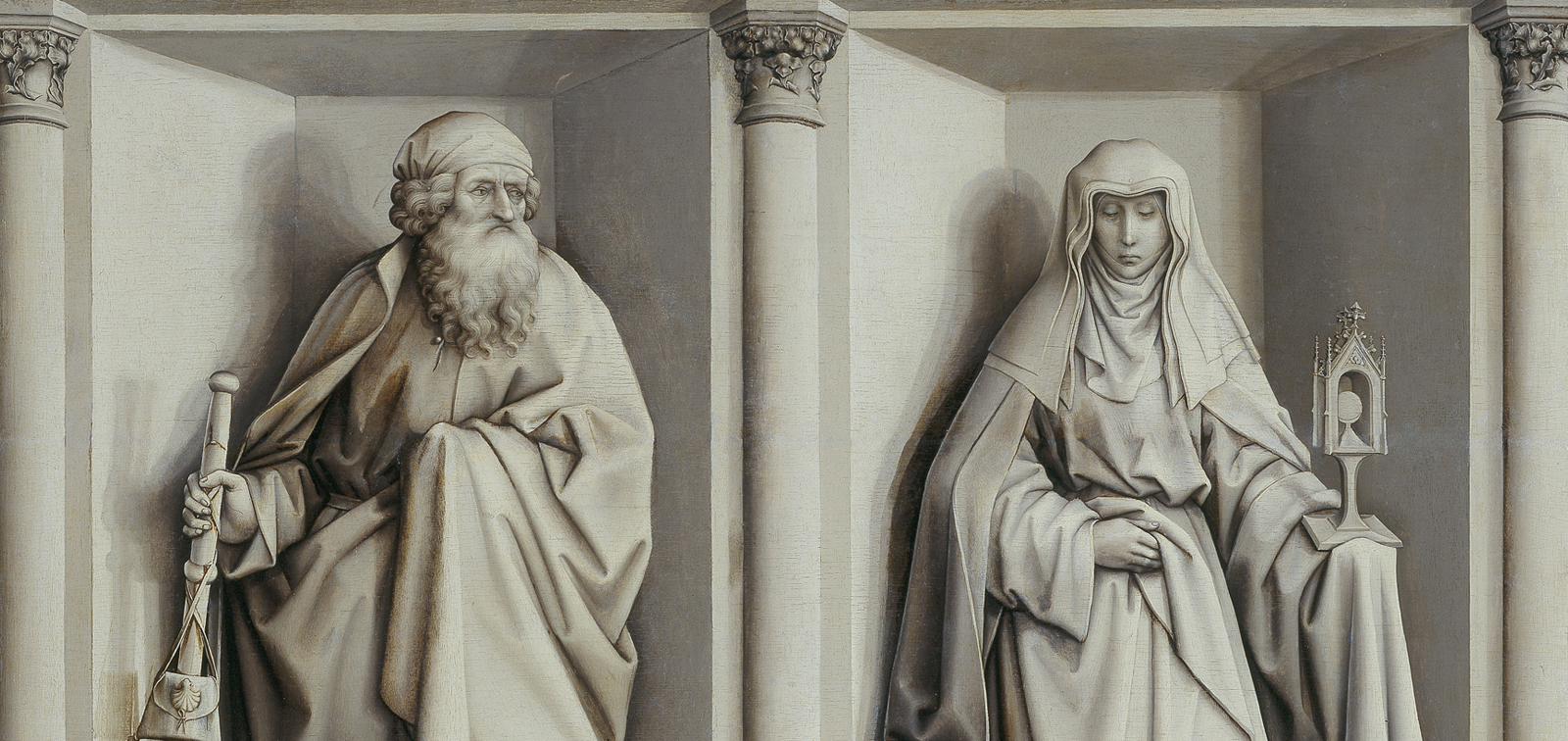
The back of works by early Flemish Primitives like Van Eyck, Campin and Weyden often featured “grisailles”, monochrome greyscale paintings made in shades of black and white. Intended to imitate unpainted stone sculptures, these compositions featured figures in an architectural setting or recess, frequently standing on painted pedestals.
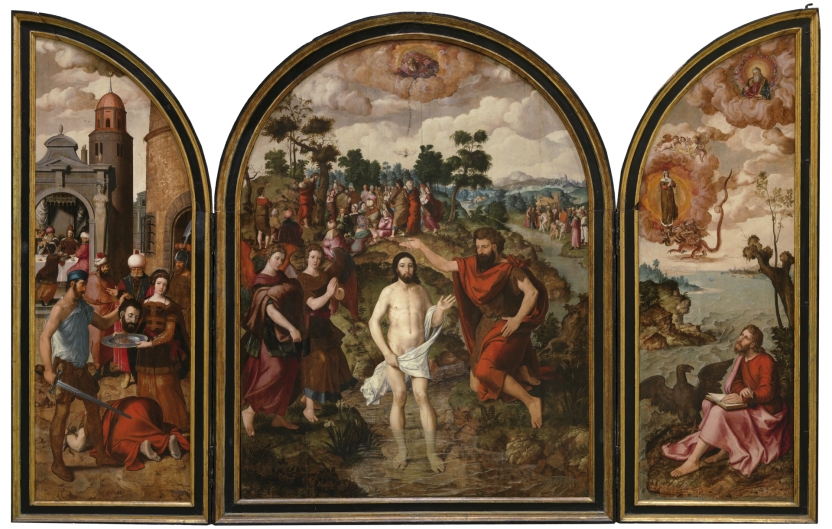
The use of oil paint, which allowed artists to accurately depict different materials, facilitated ambiguity and illusionism by making the figures look more lifelike and the grisailles more sculptural, as in the works of Alincbrot, Campin, Van der Stock and Provost.
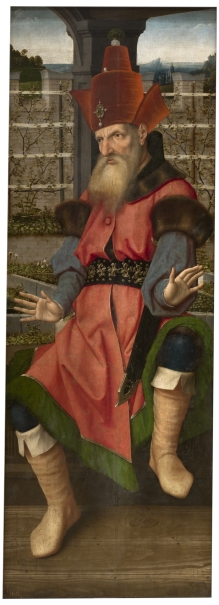
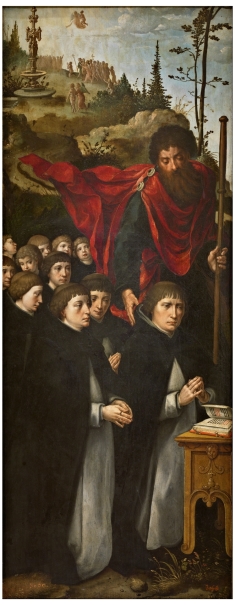
A semi-grisaille is a grisaille composition in which colour is applied to flesh areas, hair, backgrounds or selected objects (polychrome sculptures, for instance), a technique used by Memling in a few early works and certain traditionalist Bruges painters, like Pourbus, in the sixteenth century.
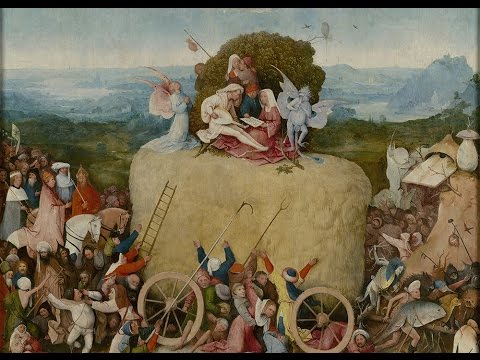
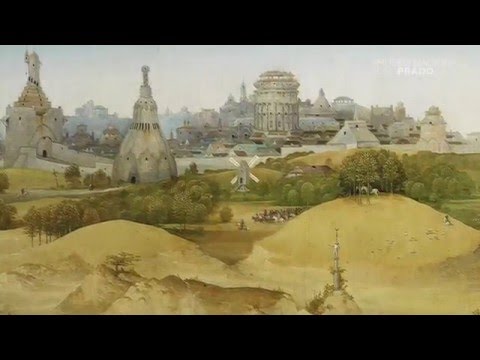
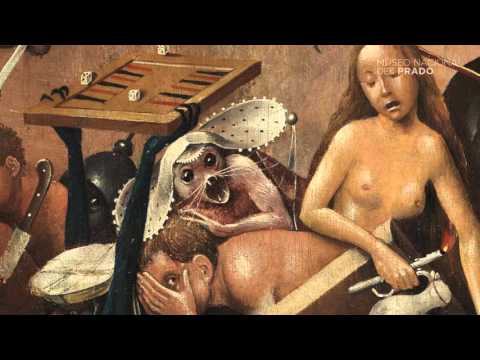
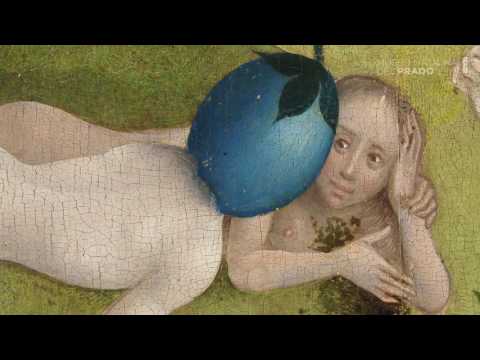
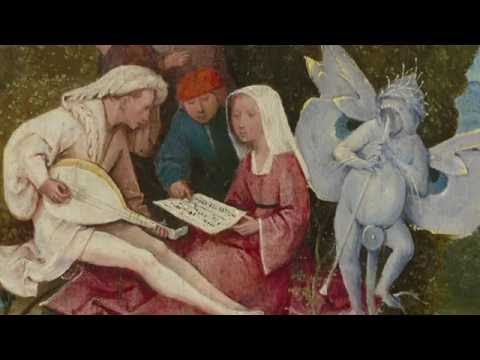
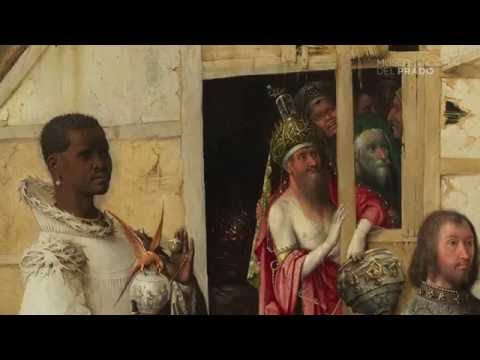
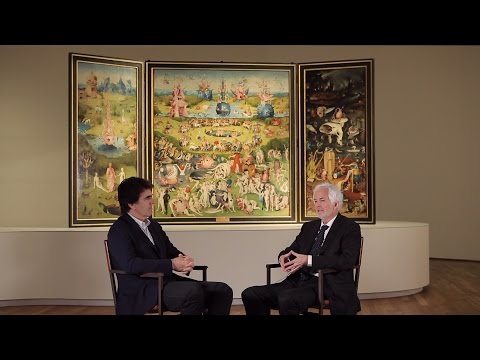
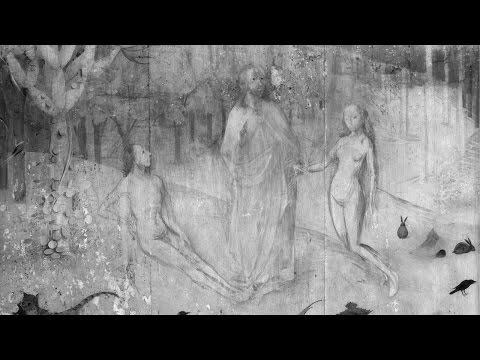
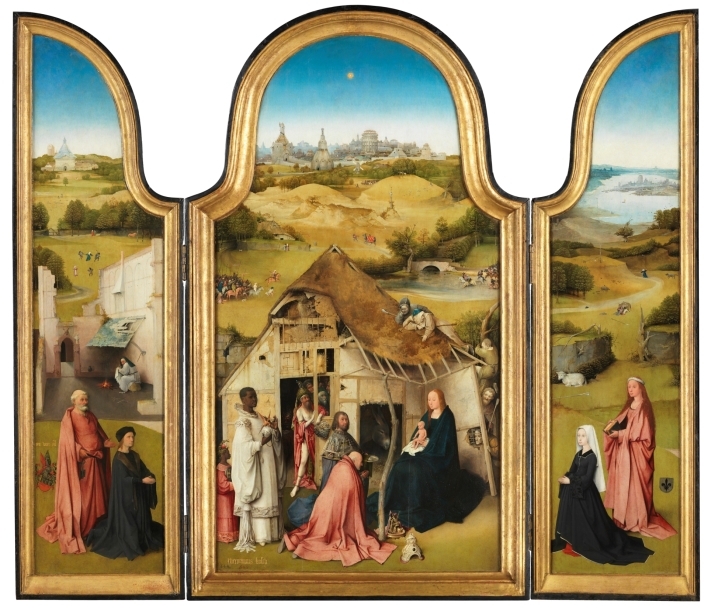
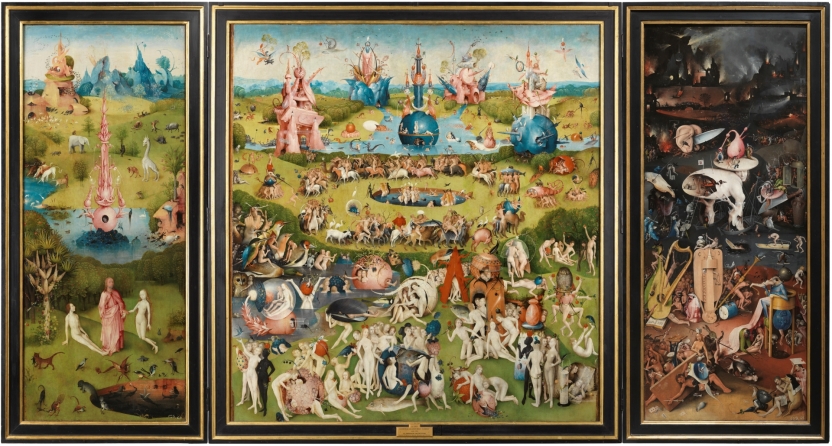
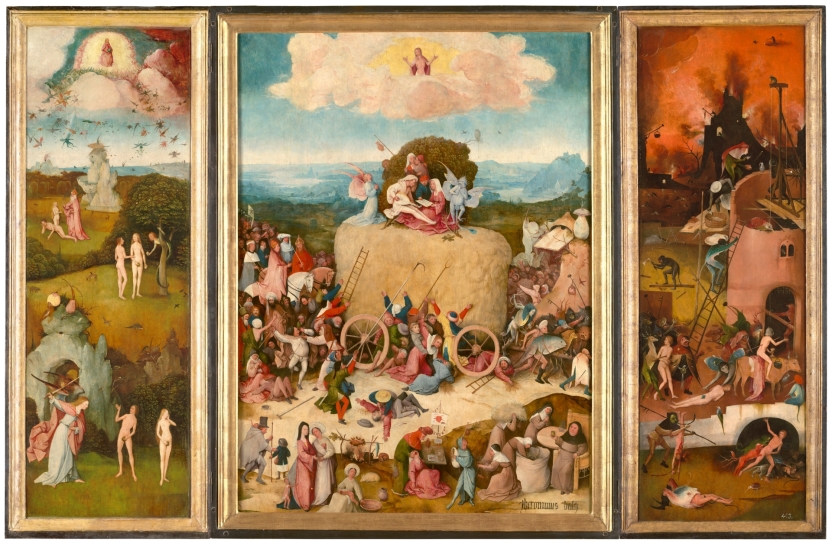
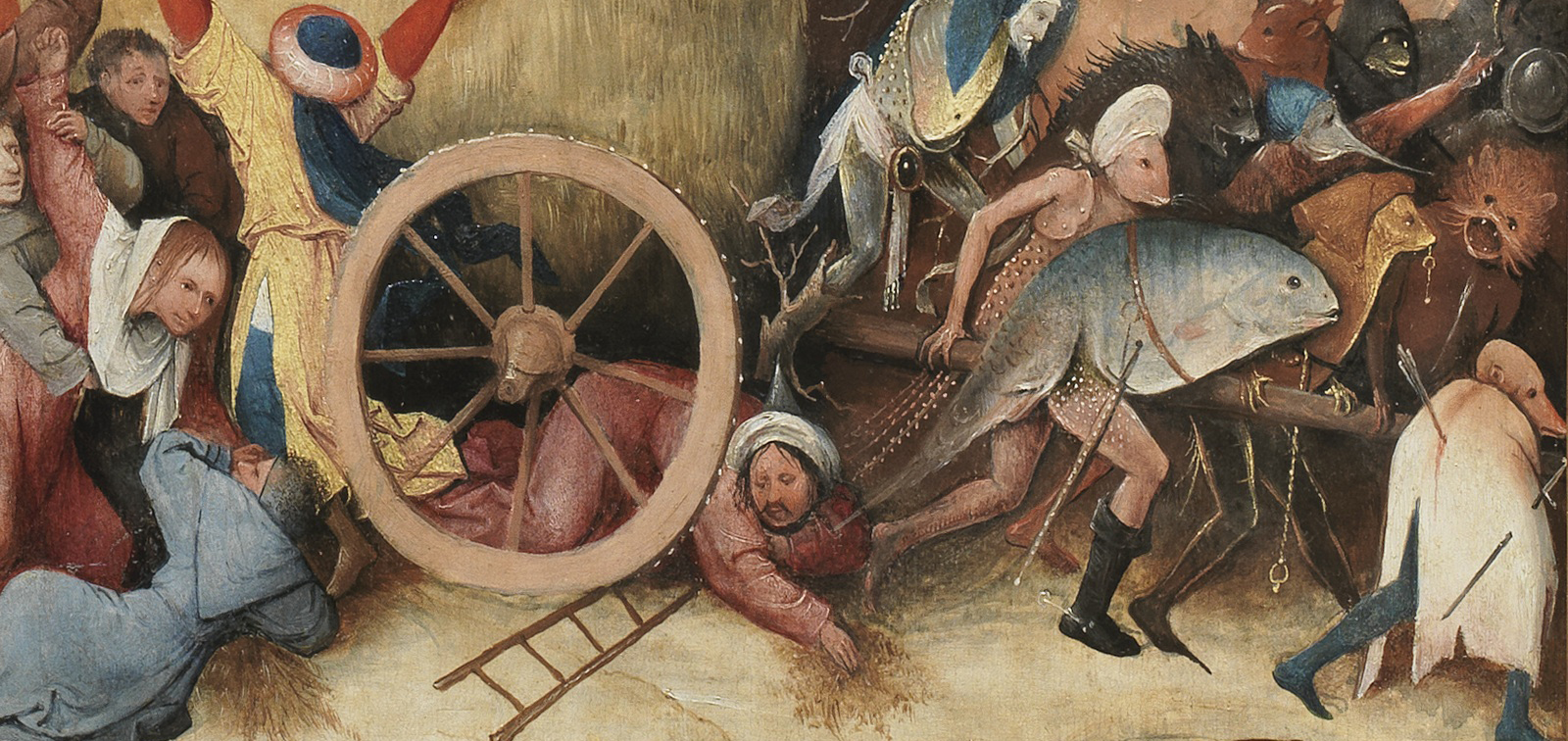
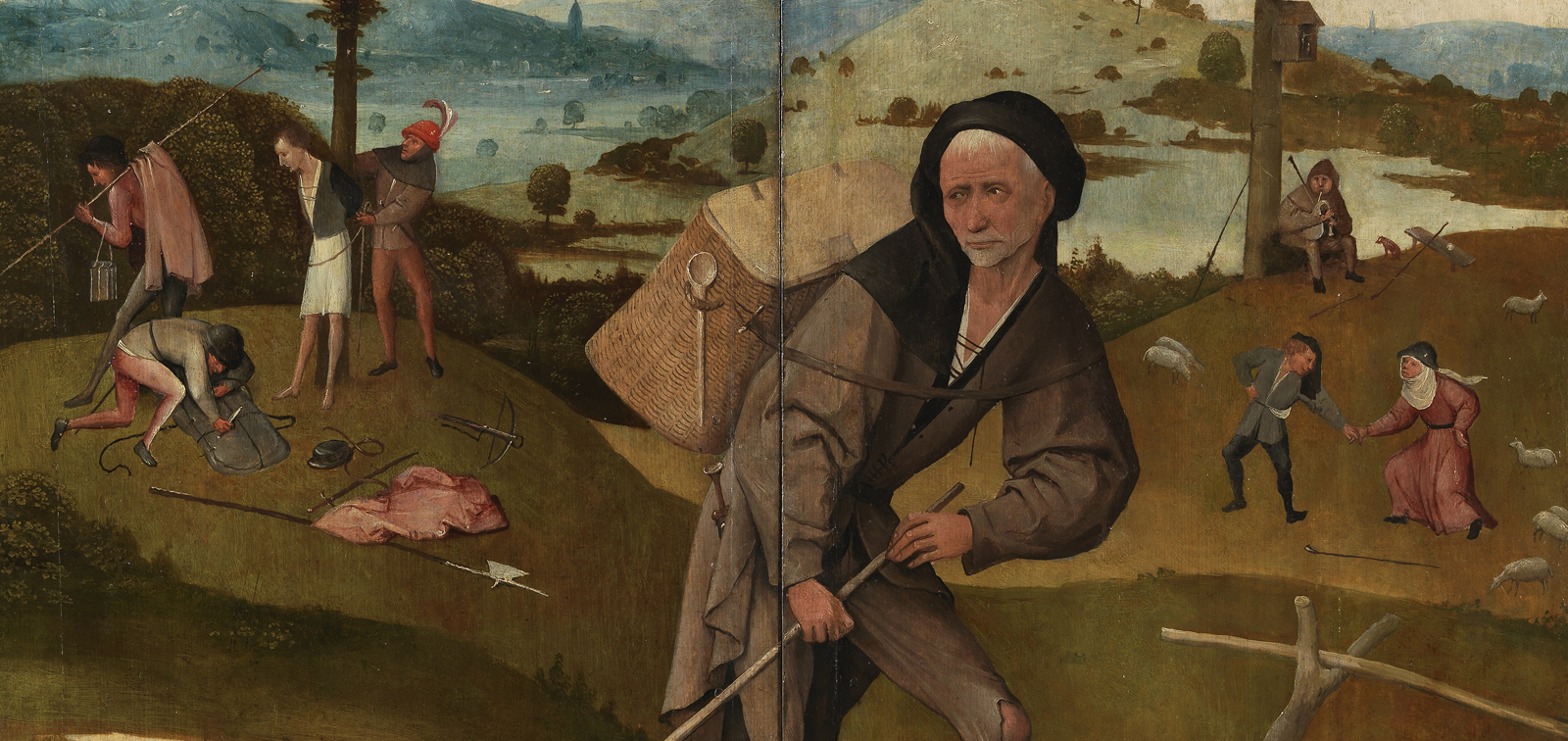
Bosch is a unique case. He used grisaille to depict a scene from Genesis in The Garden of Earthly Delights, limited colour to the patrons beside the Holy Family in The Adoration of the Magi, and allowed colour to triumph in The Haywain. In contrast, others like Coeckemade figures larger but continued to portray them as polychrome sculptures.
- Curator:
- Fernando Pérez Suescun, Head of Educational Content in the Prado’s Education Department.