The term Flemish painting refers to painting produced between the 15th and 17th centuries in a region that roughly corresponds to present-day Belgium. In the 15th century, paintings began to be produced there that captivated art lovers all over Europe for the realism of their details and the sheen of their surfaces, achieved thanks to a new way of using oil paint. Because from the late 15th century Spain and the former Low Countries were under the shared rule of the Habsburg dynasty, the kings of Spain were in a favourable position to collect painting from those territories. As a result, the Museo del Prado has one of the finest and largest collections of Flemish painting in existence, with a total of nearly 1,000 paintings.
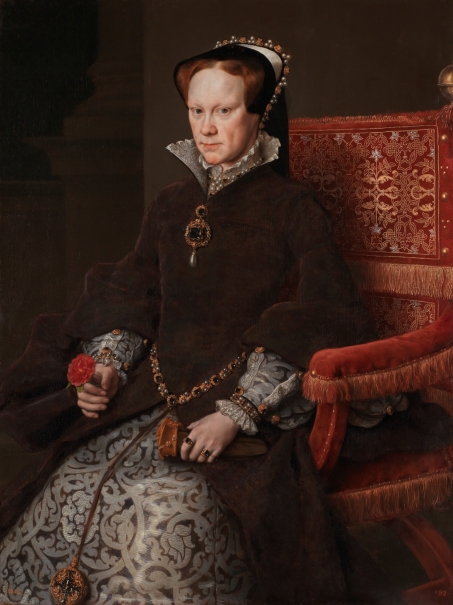
Among the 15th-century paintings in the collection, The Descent from the Cross by Rogier van der Weyden (c. 1399–1464) stands out as one of the works that form the canon of European art history. Also well represented at the Prado are Robert Campin (c. 1375–1444), Hans Memling (active 1465–1494), and, at the beginning of the 16th century, Gerard David (c. 1460–1523) and Jan Gossaert (c. 1478–1532).
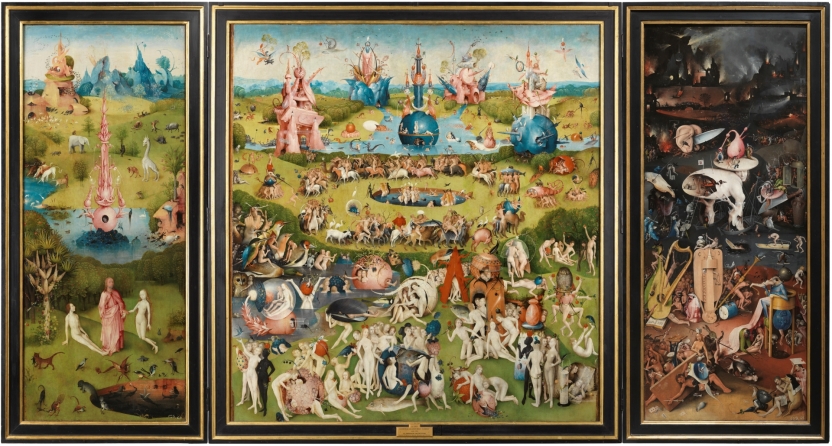
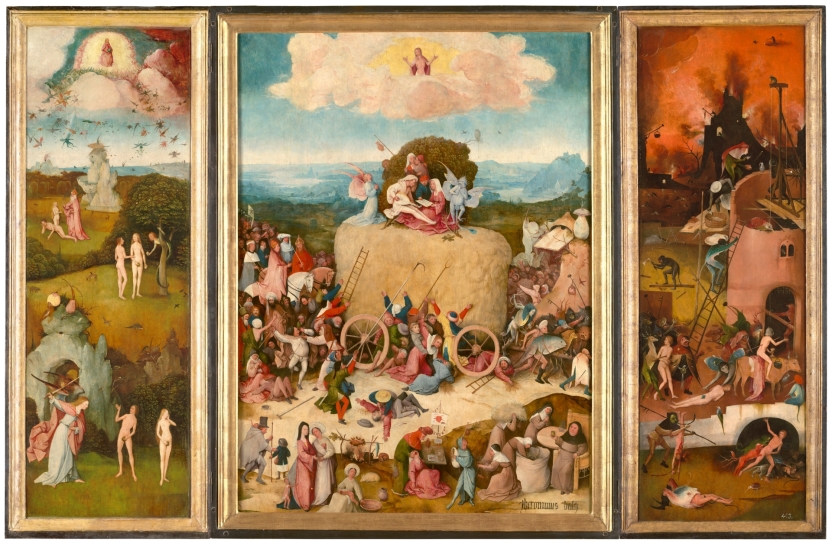
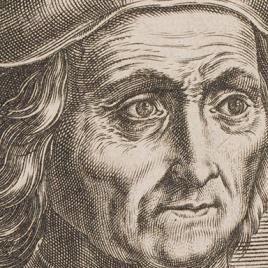
Hyeronimus Bosch (c. 1450–1516), known in Spain as El Bosco, is one of the painters who continues to exert the greatest fascination over today’s public, thanks to the world of extraordinary fantasy he presents in his paintings and the satirical tone with which he criticises human behaviour. A few decades after the painter’s death, Philip II became the principal collector of his works. For this reason, the Museo del Prado houses the finest and largest collection of this artist in existence.
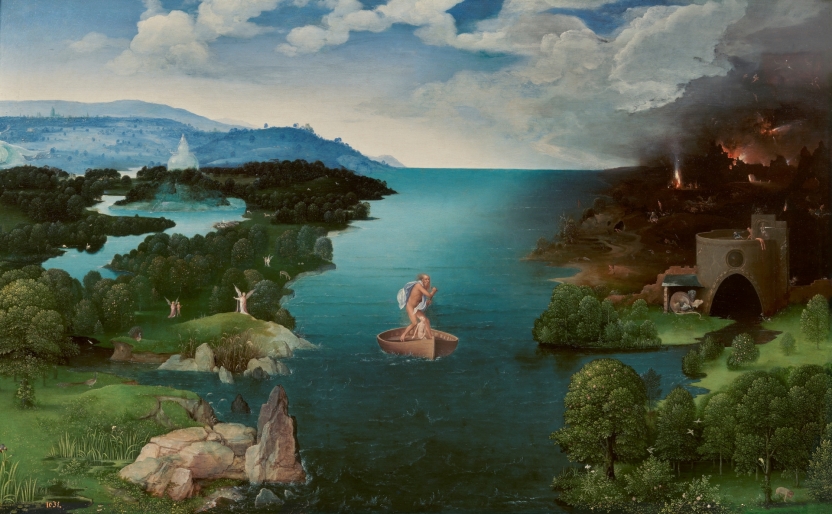
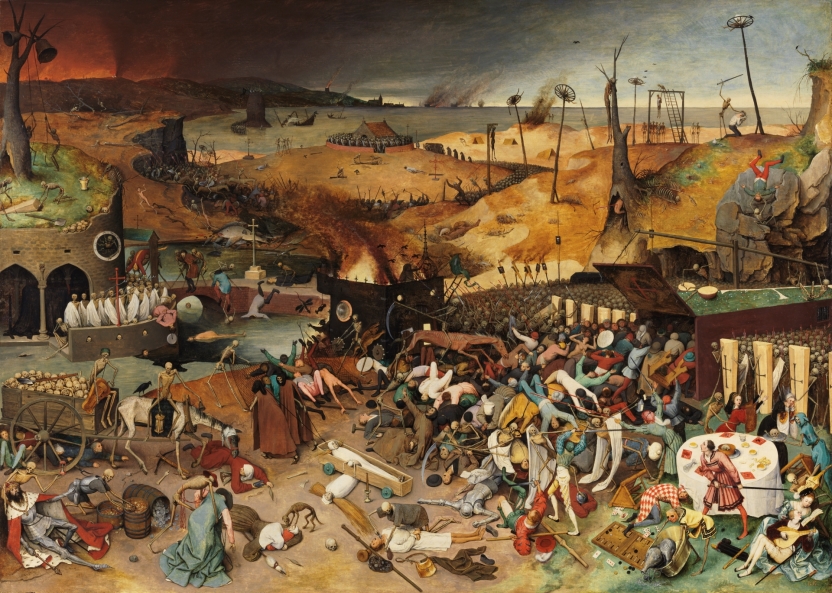
In the 16th and 17th centuries Antwerp became one of the capitals of European art. In its competitive art market the first landscape paintings we know of emerged, works by Joachim Patinir (c. 1480–1524). The Prado has four of his most outstanding works. Also from the 16th century is the great Pieter Brueghel the Elder (1525/30–1569), author of the exquisite and macabre The Triumph of Death, and also of The Wine of Saint Martin’s Day, one of the most important acquisitions made by any museum in recent decades.
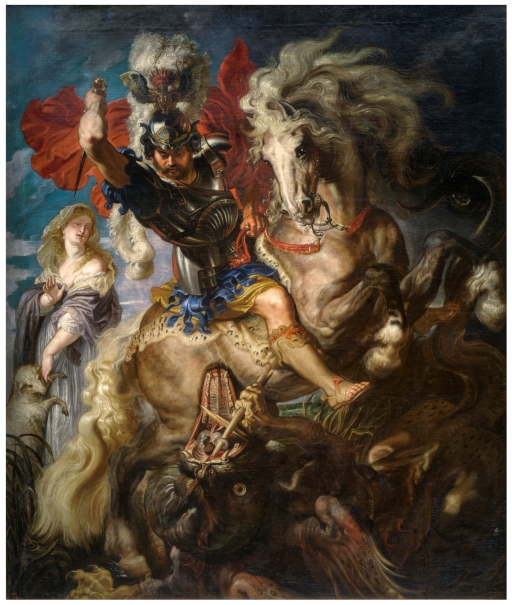
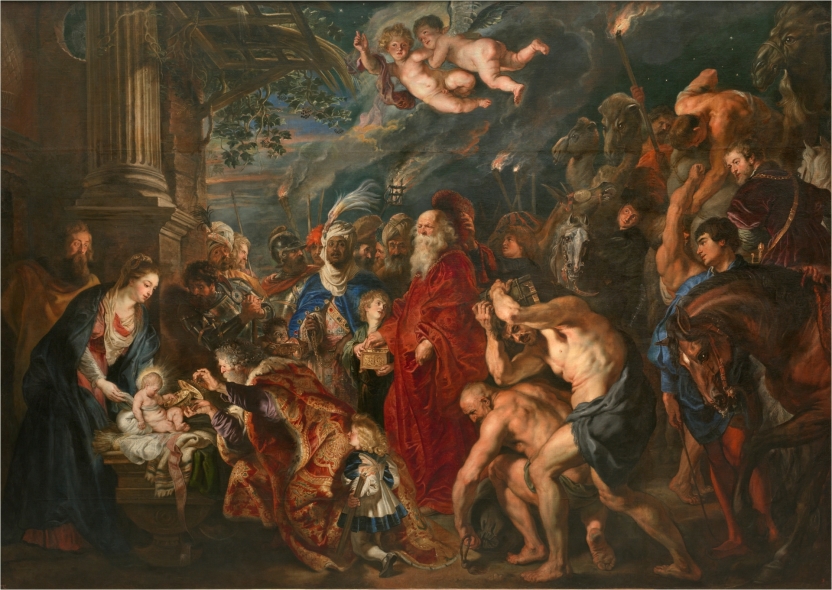
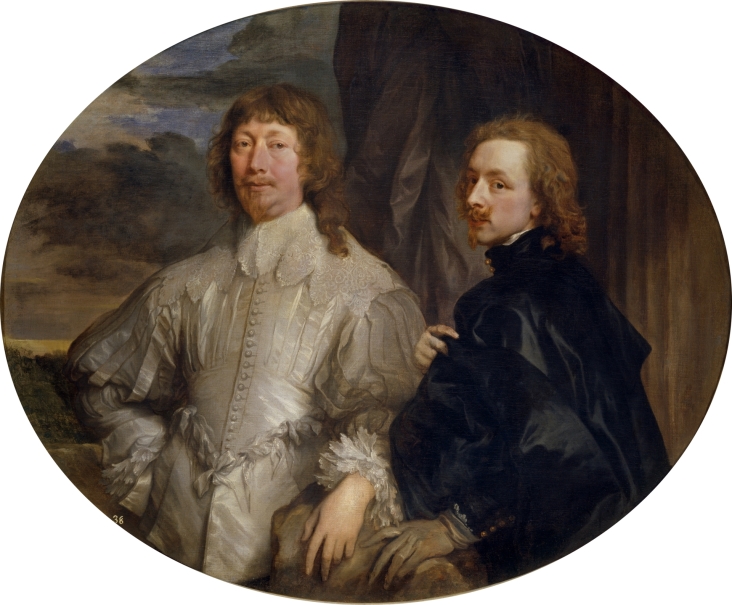
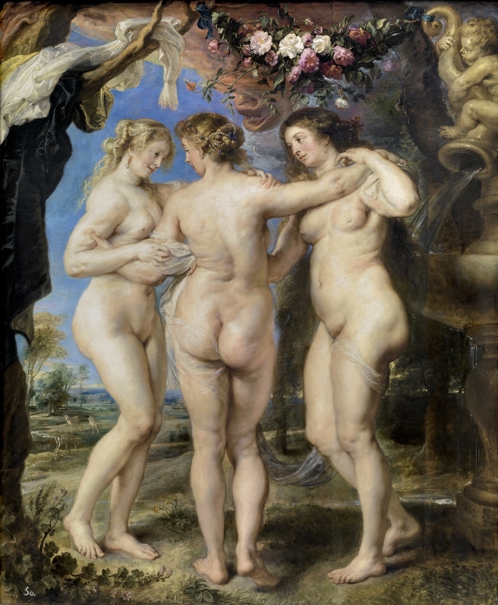
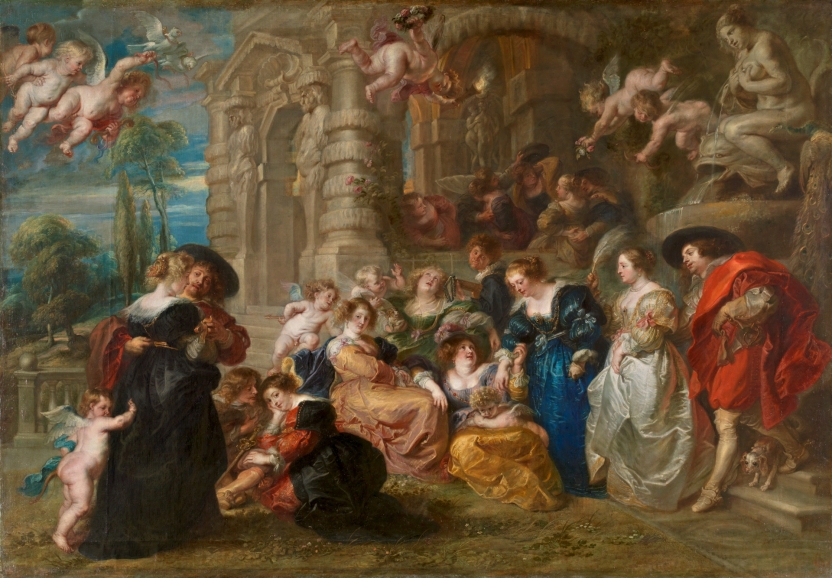
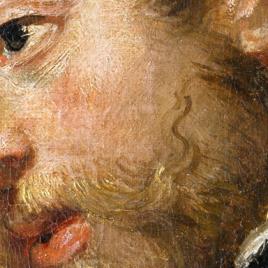
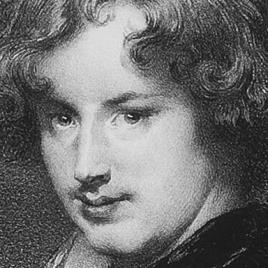
The great figure in 17th-century Flemish painting was Rubens (1577–1640), who would become the most celebrated painter in Europe and was also the favourite painter of his great Spanish patron, King Philip IV. Rubens produced sensual and majestic work inspired by the art of Antiquity. The Museo del Prado has the largest collection of Rubens in existence, with around ninety paintings (depending on whether a few attributions are accepted or not). Also very important are the works the Prado holds by other great 17th-century Flemish painters, including Jan Brueghel the Elder (1568–1625), Jordaens (1593–1678) and Van Dyck (1599–1641).
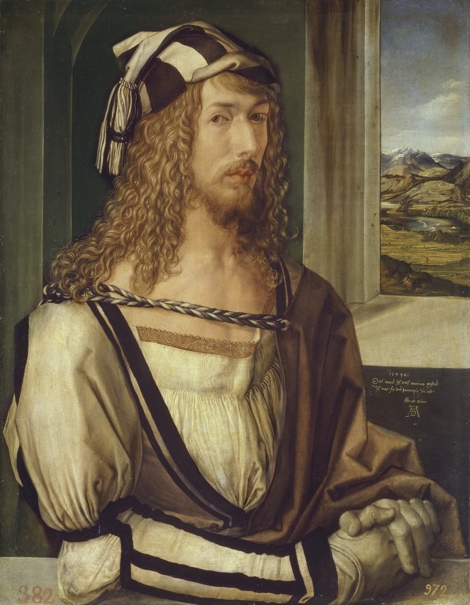
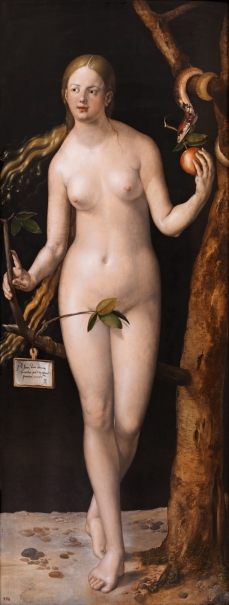
The Prado’s collection of German Renaissance painting is small but of great quality. It includes four important paintings by Dürer (1471–1528), including a self-portrait, and also two important hunting scenes by Lucas Cranach the Elder (1472–1553).
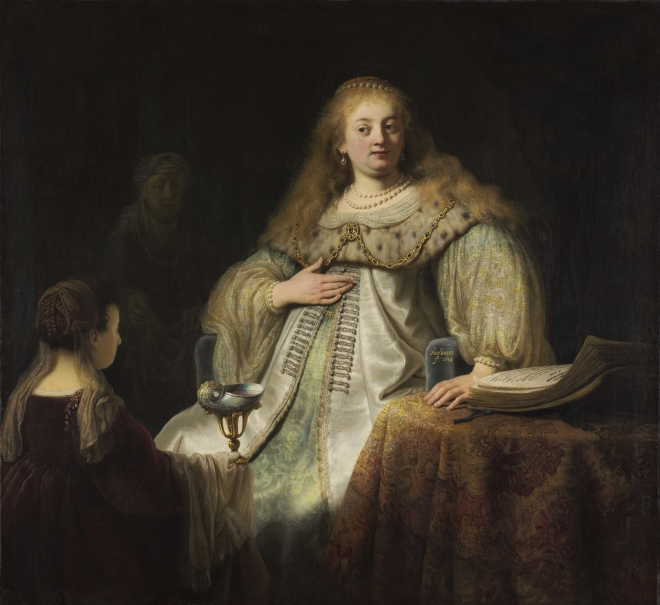
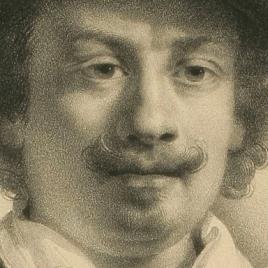
The collection of 17th-century Dutch painting is also limited, due to the war between the Spanish monarchy and the northern provinces of the Low Countries during the main period in which the royal collections were formed. Nevertheless, the Museum has an important painting by Rembrandt, Judith at the Banquet of Holofernes, as well as an outstanding collection of landscapes by Jan Both (1618/22–1652) and Herman van Swanevelt (1603/4–1655), Dutch artists who worked in Rome.