
Loading...
1961. Creation of the Restoration Institute at the Casón del Buen Retiro
Matías Díaz Padrón, Technical Advisor and Head of the Department of Conservation of Flemish Painting and the Northern Schools up to 1700, 1970-20051961. Creation of the Restoration Institute at the Casón del Buen Retiro
Matías Díaz Padrón, Technical Advisor and Head of the Department of Conservation of Flemish Painting and the Northern Schools up to 1700, 1970-2005
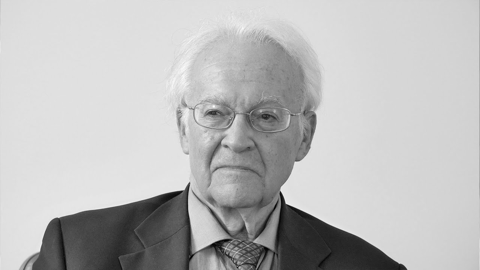
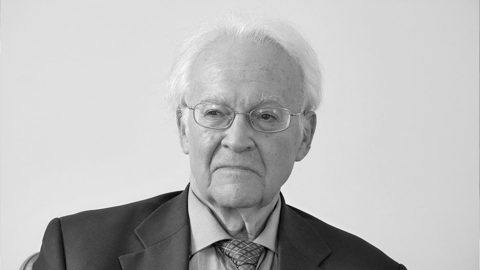
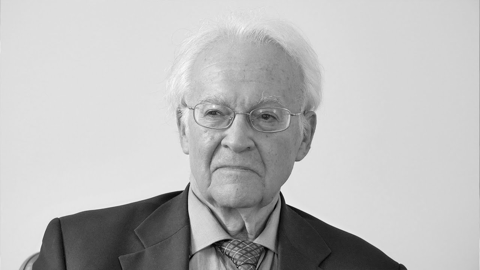
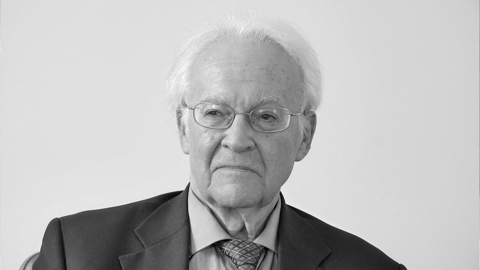
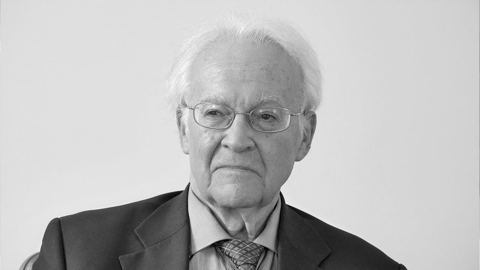
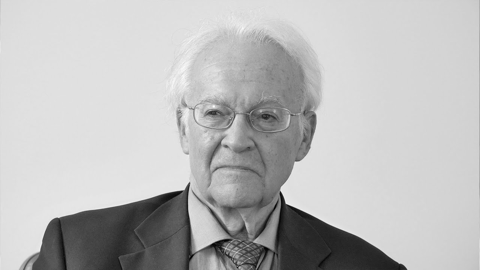
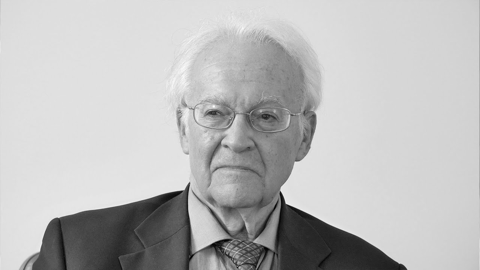
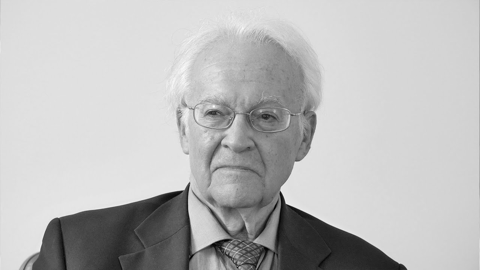
The materials for the techniques to research works of art, for instance analyses of pigments or the X-rays we are all familiar with, in other words, all the physical and chemical elements applied to works of art and paintings... I was here when it was created. I'm not being modest here, it was Gratiniano Nieto who thought of contacting the Restoration Institute of Belgium, run at the time by Paul Corevans [Director of the Royal Institute for Cultural Heritage of Brussels], the star figure who oversaw the restoration of the Mystic Lamb by the Van Eyck brothers, and he also resolved the issue of the forgeries of works by Vermeer of Delft [the name of the forger was Han Van Meegeren], two well-known episodes. As a result an award was given to the Restoration Institute of Belgium, and Gratiniano Nieto used it as a model for the Restoration Institute here in Spain. It was first located here, at the Casón. It was well organized to a certain point, because Gratiniano, due to the rush, called in a number of restorers and not all of them were really prepared. I must admit it, some of them were not up to the task. They came from different places, and I managed to have the School of Restoration set up, it was first done in these modest halls. Young people started coming in and contrary to what we thought could be done, because they normally came from Fine Arts, but these people were not from Fine Arts. Their mentality was not that of the creative artist, instead they saw themselves as craftsmen who knew the paintings but would be able to get their hands on them, they would be able to paint a bit. The important thing was the salvaging of works of art, consolidating those paintings, where a colder approach was needed.
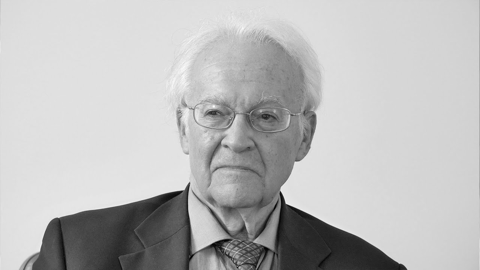
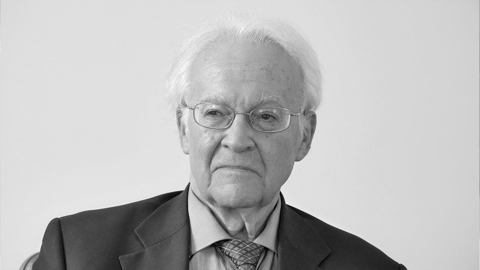
Technical Advisor of the Museo del Prado, he joined as a conservator for the Department of Flemish and Dutch Painting. He is also a Professor of Modern and Contemporary Art History at both the Universidad Complutense and Universidad Autónoma de Madrid.
Interview recorded on June 11, 2018
Interview index
7 / 14-
Learning from people with huge personalities -
The Civil War. Two positions at the Prado Museum -
Discord between Sánchez Cantón and the Marquis of Lozoya -
The Royal Trust of the 1960s. Bonds with the Academy -
I'm a contrarian -
A Museum of paintings and sculptures -
1961. Creation of the Restoration Institute at the Casón del Buen Retiro -
What you learn from seeing the insides of works of art -
Implementing a new concept of restoration -
17th century Flemish painting -
Three of all the attributions -
The work of art. A piece of our history -
The satisfaction of work well done vs. emotion -
A scientific mind
- Collective
- Conservator
- Chronology
- 1960-1970
- RDF
- RDF
Collective
Conservator
Theme
--
Voces del Prado