formularioRDF
The itinerary <em>TITULORECORRIDO</em> has been successfully created. Now you can add in works from the Collection browser
<em>TITULOOBRA</em> added to <em>TITULORECORRIDO</em> itinerary

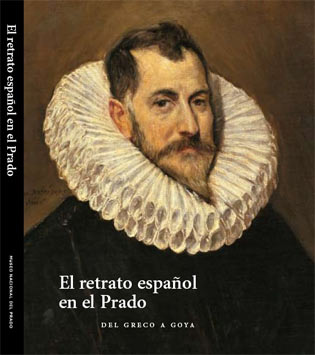
Spanish Portraits in the Prado. From El Greco to Goya
Catalogue

Spanish Portraits in the Prado. From El Greco to Goya

Exhibition

Spanish Portraits in the Prado. From El Greco to Goya

Museo Nacional del Prado. Madrid 6/12/2007 - 9/2/2007

Curated by Leticia Ruiz, Senior Curator of the Spanish Painting Department at the museum, this exhibition presents a remarkably comprehensive selection given that the Museo del Prado, as the primary repository of the monarchy’s pictorial assets, boasts a fundamental portrait collection with works by the finest Spanish and European artists of the sixteenth to eighteenth centuries.

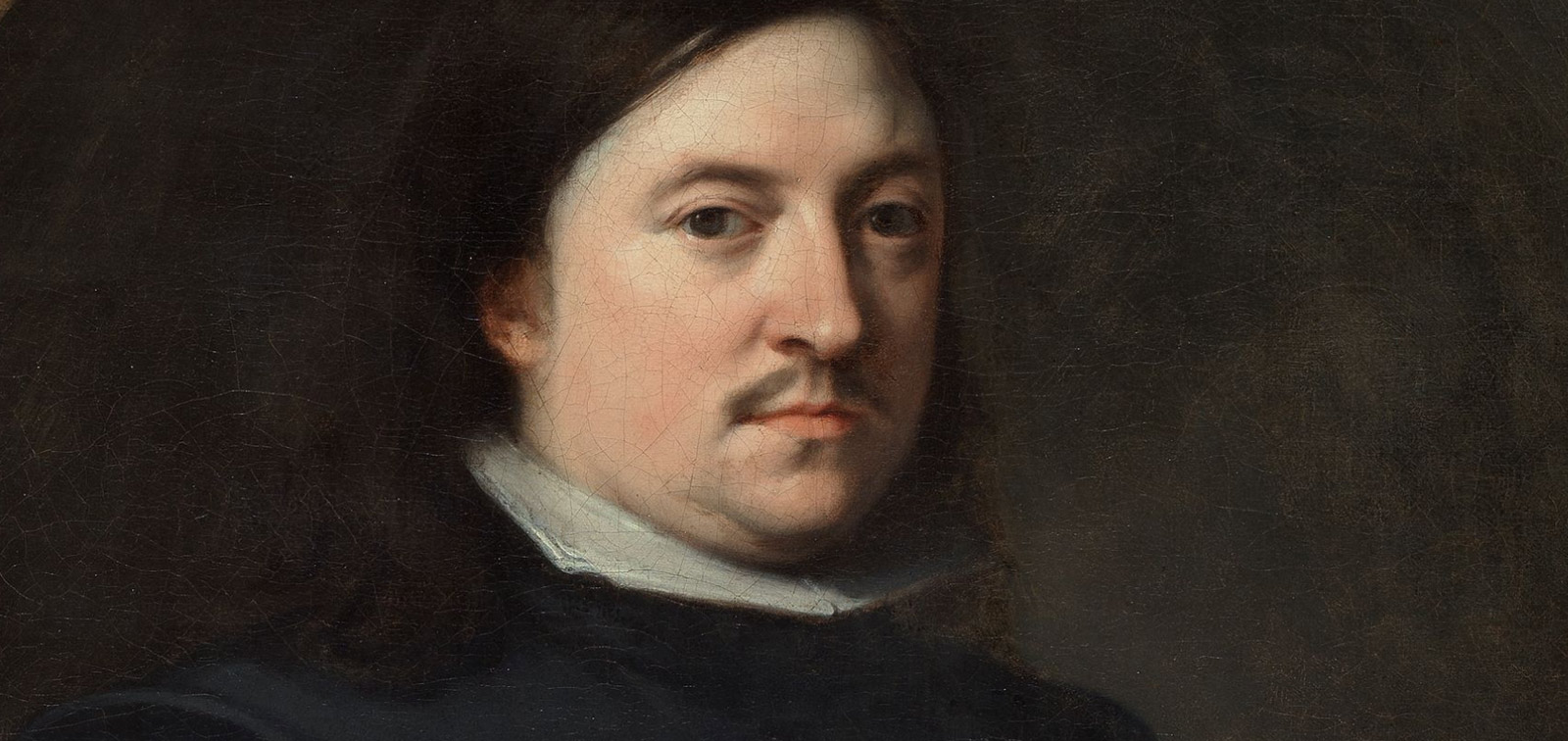
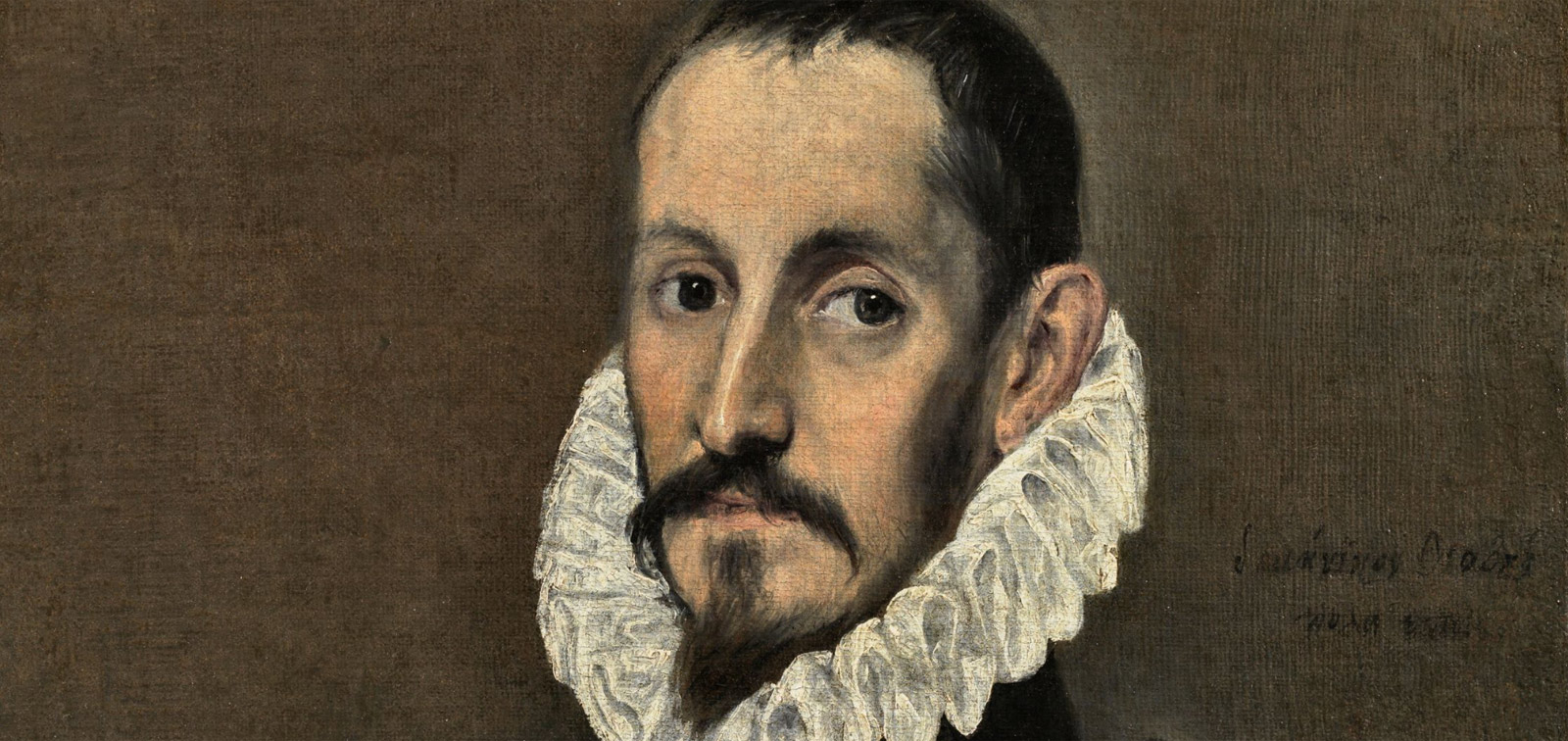
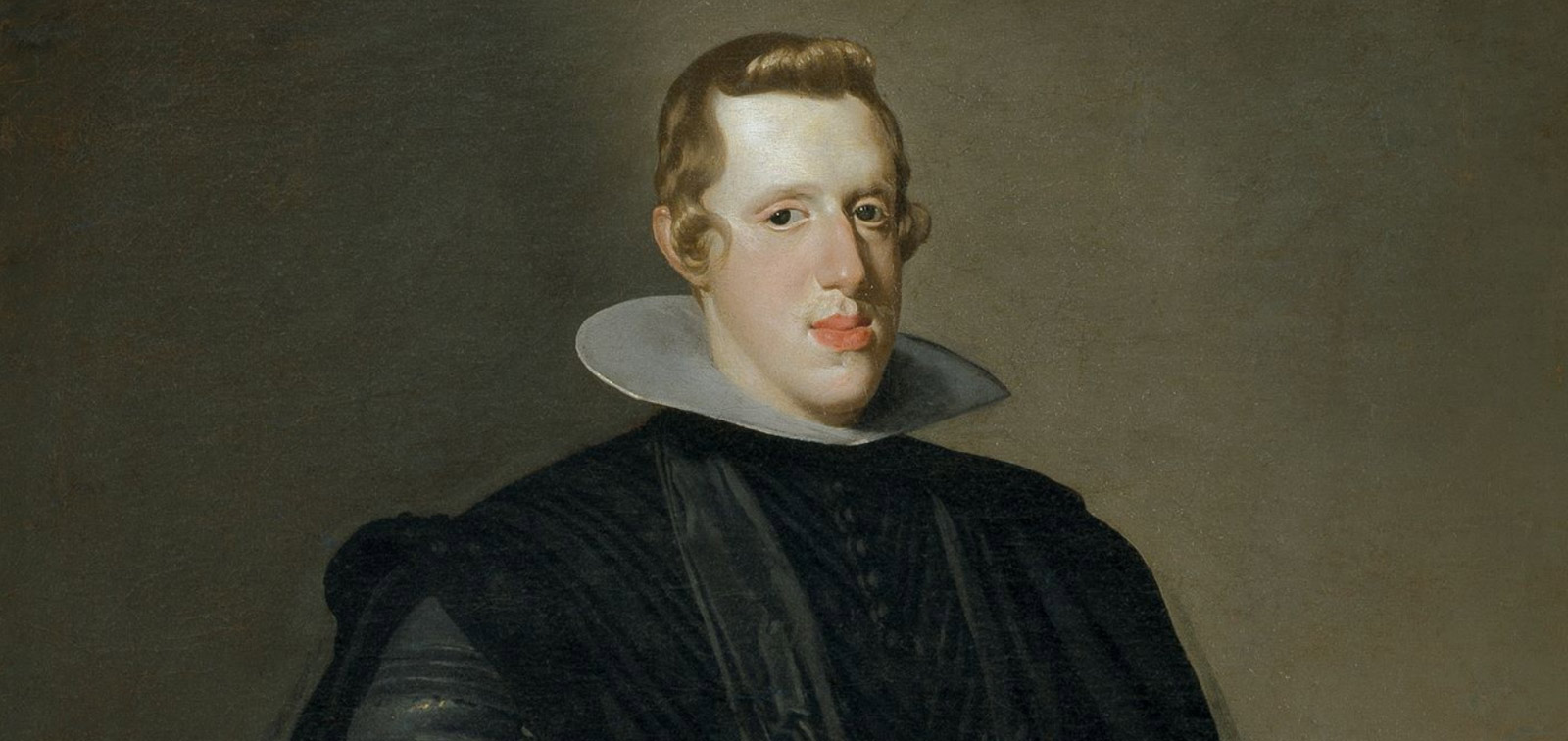
El Greco, Velázquez, Murillo and Goya account for a substantial part of the museum’s Spanish paintings, and each was an outstanding portraitist. The exhibition contains important examples of their work, such as El Greco’s Nobleman, Velázquez’s Philip IV and another four pieces by his workshop, Murillo’s Nicolás Omazur and as many as six portraits by Goya: Tadea Arias de Enríquez, Charles III in Hunting Dress, General Antonio Ricardos, Charles IV, Maria Luisa of Parma, Queen of Spain and Infanta Maria Josefa.

The list of noted portrait painters also includes Luis de Morales, whose magnificent portrait of Saint Juan of Ribera is in the exhibition; Alonso Sánchez Coello, whose Self-portrait andLady with a Fan are included; Juan Pantoja de la Cruz, represented byInfanta Isabel Clara Eugenia, a portrait of Emperor Charles V (copy of a Titian original) and two other superb pictures; Juan Bautista Maino with Portrait of a Gentleman (the only known signed portrait by this artist); Juan Carreño de Miranda, who has Mariana de Austria, Queen Regent and three more paintings on display; Claudio Coello with his likeness of Father Cabanillas; Luis Paret with his Self-portrait; and Mariano Maella and Agustín Esteve, who each have two portraits in the show. All these masters, along with lesser-known names who are also represented in the exhibition, decisively contributed to the continuity of portraiture over the years, making this genre a cornerstone of Spanish art history. However, foreign painters also played a fundamental role in writing and shaping that history. The greatest of all was undoubtedly Titian, although the roster also includes Luca Giordano and Anton Raphael Mengs, both represented in the show by masterpieces like Queen Maria Anna of Neuburg on Horseback and Charles II, King of Spain, on Horseback, by the former artist, and Gabriel of Bourbon and Saxony, Infante of Spain, María Carolina of Habsburg-Lorraine, Queen of Naples andMaria Luisa of Parma, by the latter.

With the exception of El Greco and Murillo, nearly all of these artists were, as painters to the king, tasked with portraying the monarch and his family, a responsibility that entailed the tacit acceptance of many long-standing traditions and inherited references, although these did gradually change over time. The exhibition traces this evolution of Spanish portraiture with the Spanish crown as a leitmotif.

The sixty-two selected paintings, made by thirty-six different artists, show the development of portraiture in Spain over a 300-year period, with its various types and their changing meanings. The show is divided into seven sections corresponding to each of the three centuries: The Beginning of the Modern Portrait, The Creation of the Court Portrait and The Tradition of Portraiture in Toledo, dedicated to the 1500s; Velázquez and the Maturity of the Genre and Portraiture outside the Court: Other Types, representing the 1600s; and, finally, The Incorporation of European Models during the Eighteenth Century and Goya: Tradition and Modernity, which conclude the exhibition itinerary with works from the 1800s.

Curator:
Leticia Ruiz, Senior Curator of the Spanish Painting Department at the Museo del Prado

RDF

RDF

Sponsored by:
Cajacanarias. Obra social y cultural

Exhibition

Sixteenth Century

The Beginning of the Modern Portrait

In Spain, portraiture emerged as an independent genre during the reigns of Isabella of Castile and Ferdinand of Aragon. Portrait fashions that had already taken hold in the rest of Europe made their way to our country thanks to connections with Italy and Flanders, where the preference was for bust-length, easily portable likenesses that drew attention to the subject’s facial features. The court of Castile attracted Flemish painters, who purportedly possessed a special talent for realistic likenesses, even though the Iberian Peninsula had its own artists who excelled at portraiture. Three particularly interesting examples are represented here: Fernando del Rincón, Luis de Morales and Alonso Sánchez Coello.

The Creation of the Court Portrait

The basic prototypes of this genre were established during the reigns of Charles V and Philip II. Spanish court portraits were formally austere images that had to capture each individual’s features while also clearly conveying their position and status. Titian was primarily responsible for devising the principal models, although the Flemish painter Anthonis Mor also played a key role in that process. Mor was known for his painstaking, understated execution and dramatic use of light that made the sitter’s royal presence even more impressive, but he continued to employ Titian’s most important iconographic inventions. During the reign of Philip II, Alonso Sánchez Coello and his disciple Juan Pantoja de la Cruz definitively cemented this concept of the court portrait, which would endure until the late eighteenth century.

The Tradition of Portraiture in Toledo

Toledo’s urban and social development made it one of the most outstanding cities in Iberia, and these two factors may also explain why portraiture acquired such significance and variety there. The greatest portraitist in Toledo was undoubtedly El Greco, who left us a gallery of Castilian gentlemen that fairly exude expressive authenticity and inner strength, the finest representation of Toledo society.

Seventeenth Century

Velázquez and the Maturity of the Genre

As the seventeenth century wore on, portraiture became an increasingly relevant genre and produced masterpieces of truly exquisite quality. Velázquez moved to Madrid in 1623 to serve as Philip IV’s portraitist, providing a service which, since the reign of Philip II, had become a fundamental pillar of the Spanish court’s strategies of representation. As the painter responsible for the king’s portraits, Velázquez wholeheartedly embraced the traditions established by his predecessors, which were already enshrined as shining symbols of dynasty continuity. But the painter’s dazzling talent revitalised those pictorial precedents so effectively that Velázquez and his oeuvre became the most enduring model for subsequent generations. That influence was felt even in his own century, as evidenced by the portraits of Juan Bautista del Mazo, Juan Carreño de Miranda and the Italian Luca Giordano.

Portraiture outside the Court: Other Types

As cities like Toledo, Seville and, of course, Madrid grew, portraits began to appear outside court circles and the genre spread to more and more sectors of society. In the seventeenth century, some existing types were renewed while others remained the same—specifically, the seated portrait used to depict high-ranking clergymen—and new ones were introduced, like portraits of hunters or family groups. One of the most original chapters of this saga took place in Seville, and the protagonist was none other than Bartolomé Murillo, one of the best artists working outside Madrid. The Sevillian painter manage to blend Spanish and Flemish traditions in his impeccable, highly original portraits, and he became the leading alternative to the type of art being made at court. The section of this exhibition devoted to the 1600s contains portraits by other excellent painters like José Antolínez, Francisco Rizi and Juan Carreño de Miranda, exponents of the high Baroque style whose pictures prioritised lively colours and dynamic compositions.

Eighteenth Century

The Incorporation of European Models

At the beginning of the eighteenth century, Spain’s new ruling dynasty was eager to have their own style of representation. French tradition carried substantial weight thanks to the portraits of Jean Ranc and Louise-Michel van Loo, dominated by a sense of courtly elegance and vivacity which, along with the incorporation of Bourbon insignias and lavish costumes, flouted the traditional Spanish preference for expressive sobriety. Another important step in the Spanish monarchy's gradual assimilation of European art trends was bringing German artist Anton Raphael Mengs, the most refined European portraitist of the mid-1700s, to Madrid. This painter was able to tone down the pompous grandeur of French portraitists without sacrificing vitality or sophistication.

Goya: Tradition and Modernity

Goya’s lengthy career spanned the reigns of Charles III, Charles IV and Ferdinand VII, allowing him to assimilate the different artistic ideas and tendencies of each period. He cleverly revived the basic components of the style of court portraiture which, saving a brief hiatus in the first half of the eighteenth century, had been the norm in Spain since the time of Philip II. The Aragonese artist soon realised that, as painter to the king, he was the latest in a long line of artists whose greatest exponent had been Diego Velázquez. For this reason, the spirit of Velazquezian assertiveness and the ‘national painting’ tradition underlie many of Goya’s official portraits. In his more personal depictions, Goya embraced one of the chief innovations in eighteenth-century portraiture, representing not only the sitter’s physical traits and social status but also their character and personality.

As an artist, Goya was at the forefront of a period in which portraiture became increasingly relevant and finally reached its pinnacle in the 1800s, when the elitist barriers of past eras were lifted and the genre blossomed like never before.

Print on demand

Print artworks available in our catalogue in high quality and your preferred size and finish.

Image archive

Request artworks available in our catalogue in digital format.

Up