The Museo del Prado’s sculpture collection comprises almost a thousand works.
The earliest and most important group comes from the Royal Collection, with pieces from different periods of the classical world, such as the San Ildefonso Group or the Apotheosis of Claudius.
The Museum has only a very small representation of medieval sculpture, and among Renaissance sculpture the royal portraits from the time of Charles V and Philip II, made by Leone and Pompeo Leoni, father and son, stand out—especially the group Charles V and Fury. Among the finest works of that period, one should also mention the sculptures Epimetheus and Pandora, carvings attributed to El Greco.
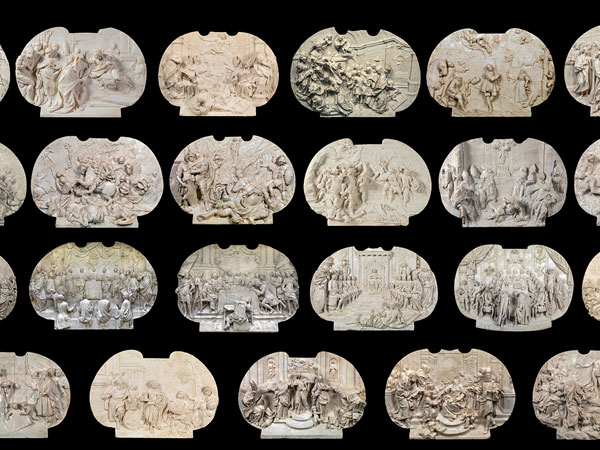
From the Baroque period, mention should be made of the group of bronzes brought back by Velázquez on his second trip to Italy to decorate the Alcázar, as well as the series of models for equestrian portraits of Spanish monarchs from the 17th and 18th centuries made by Foggini or Vaccaro, among others. In addition, the Prado preserves a large number of works forming part of the set of classical sculptures that once belonged to Queen Christina of Sweden and were acquired by Philip V in the 18th century, such as the series of the Muses, to which must be added the classical busts assembled by José Nicolás de Azara. Spanish Neoclassical sculpture is represented by works by the most important court sculptors of Charles IV and Ferdinand VII, such as Álvarez Cubero, author of The Defence of Zaragoza, as well as Barba and Solá. Many of their works were displayed, from 1838 onwards, in the Museum’s new Sculpture Galleries, and from then on it became known as the Royal Museum of Paintings and Sculpture.
From 1856 onwards, the collection grew with the first prizes from the National Fine Arts Exhibitions, mostly sculptures by Spanish grant-holders in Rome, to which were added pieces acquired from other private collections, such as that of the Marquis of Salamanca or that of the Duchess of Osuna. The turn of the century is particularly well represented by Spain’s leading sculptors.
In 1896, the more than two hundred 19th-century sculptures were transferred to the newly created Museum of Modern Art, until they returned to the Casón del Buen Retiro in 1971 and, in 2009, a selection was incorporated into the permanent exhibition in the Villanueva building.
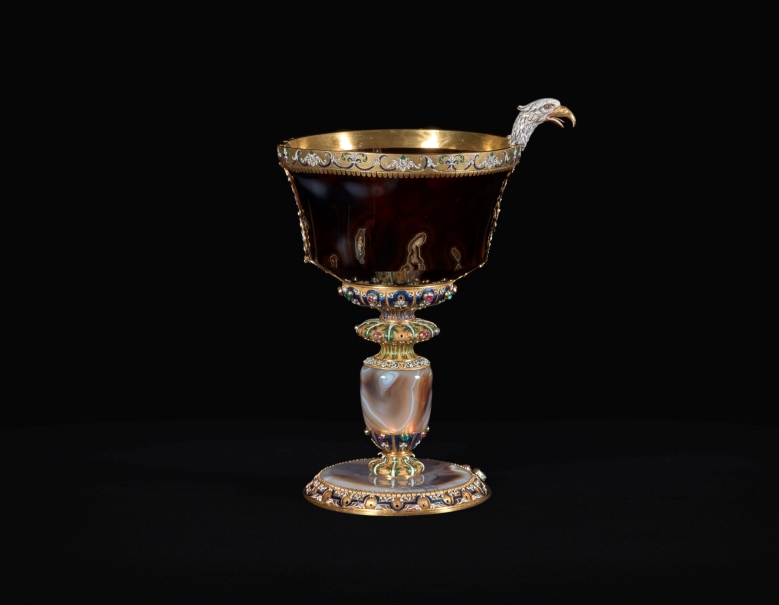
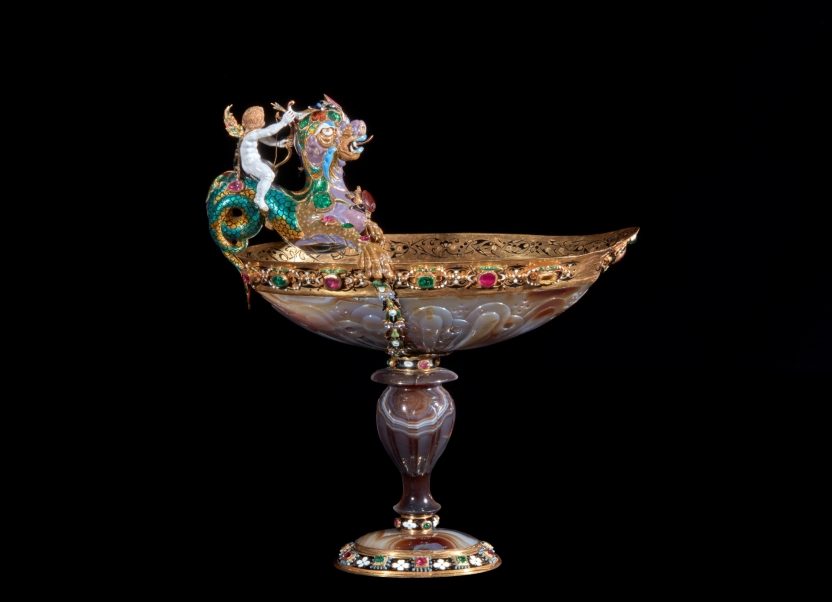
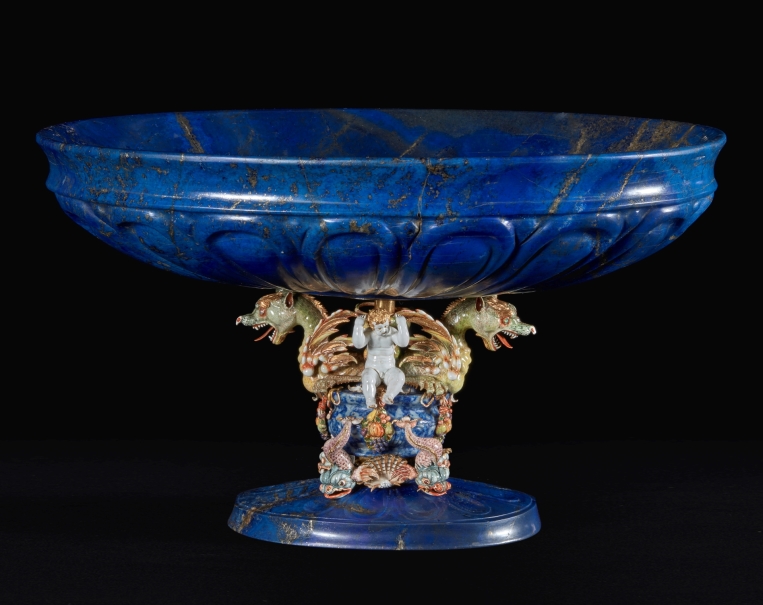
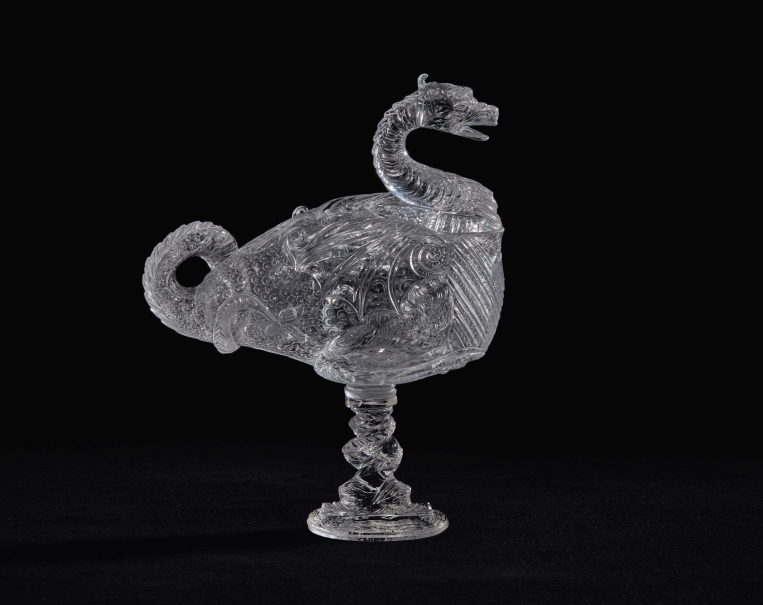
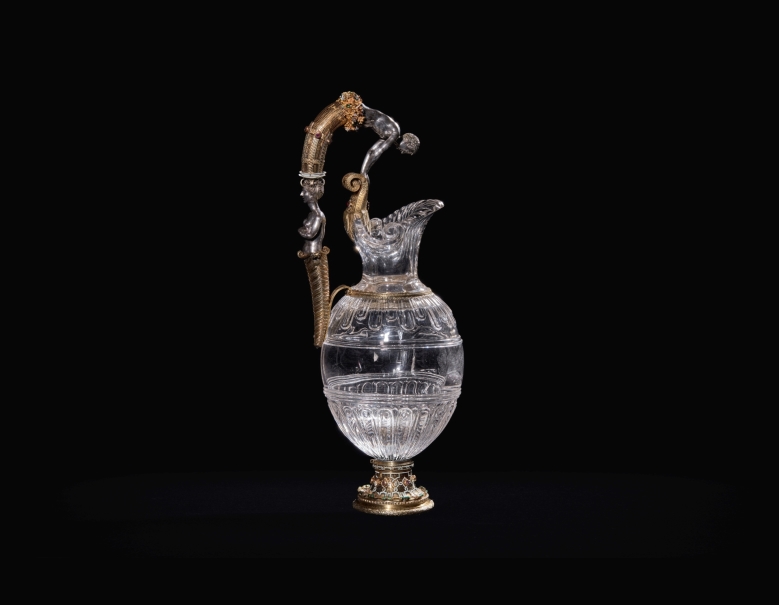
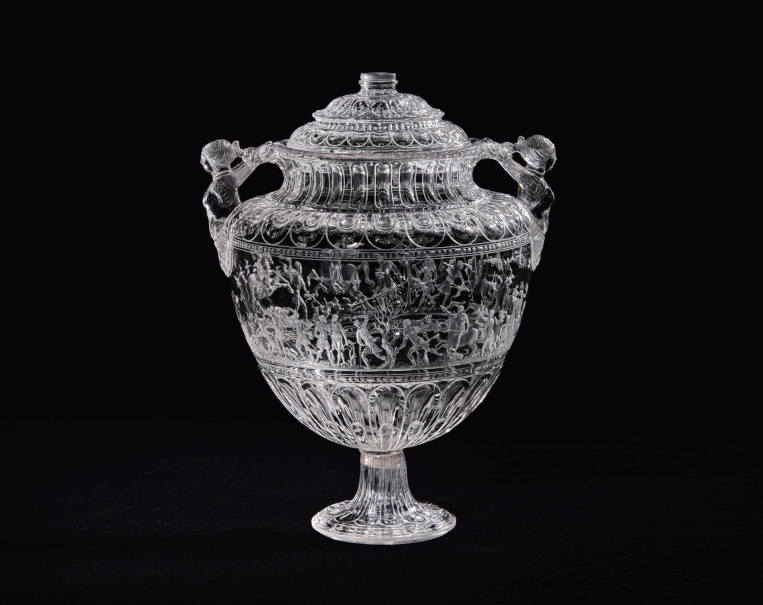
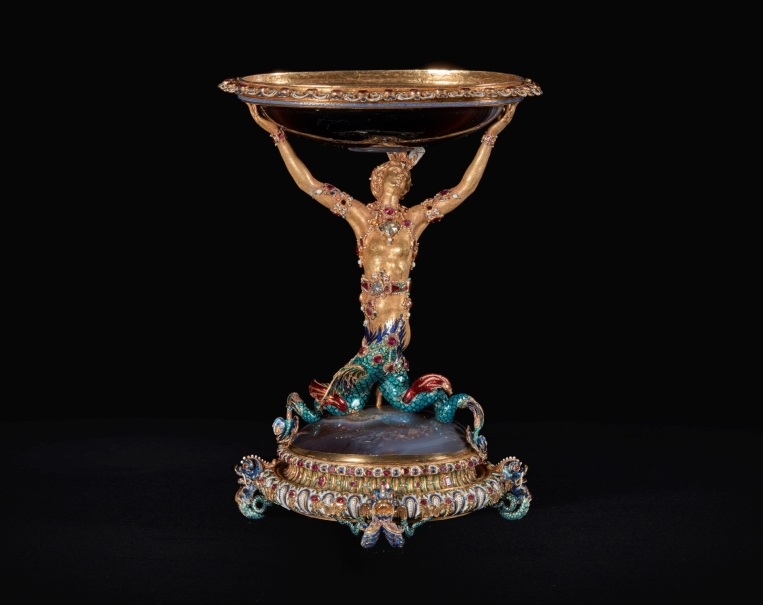
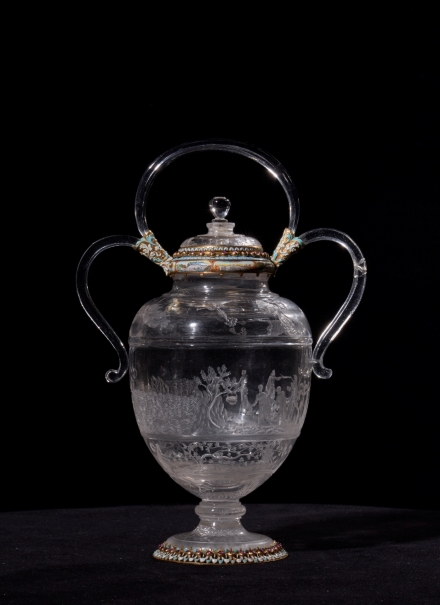
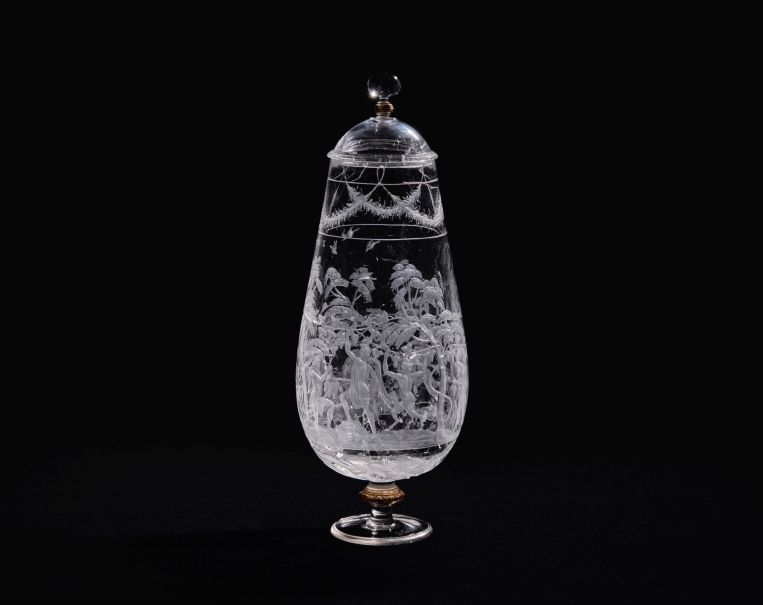
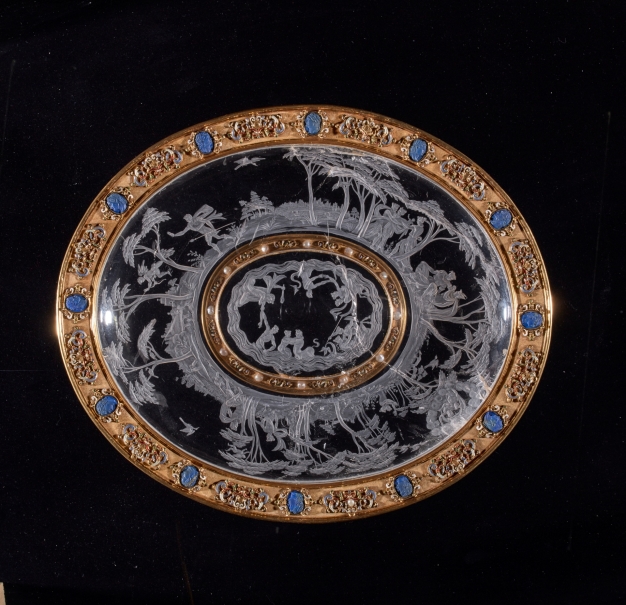
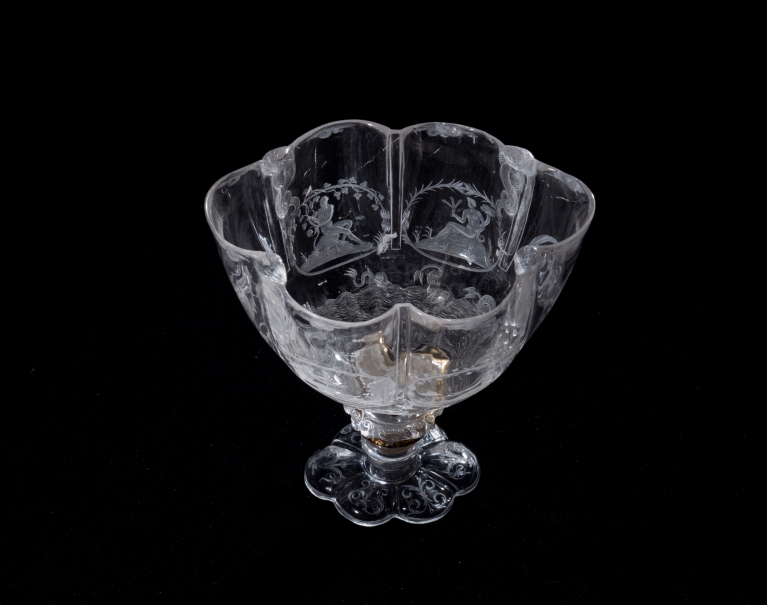
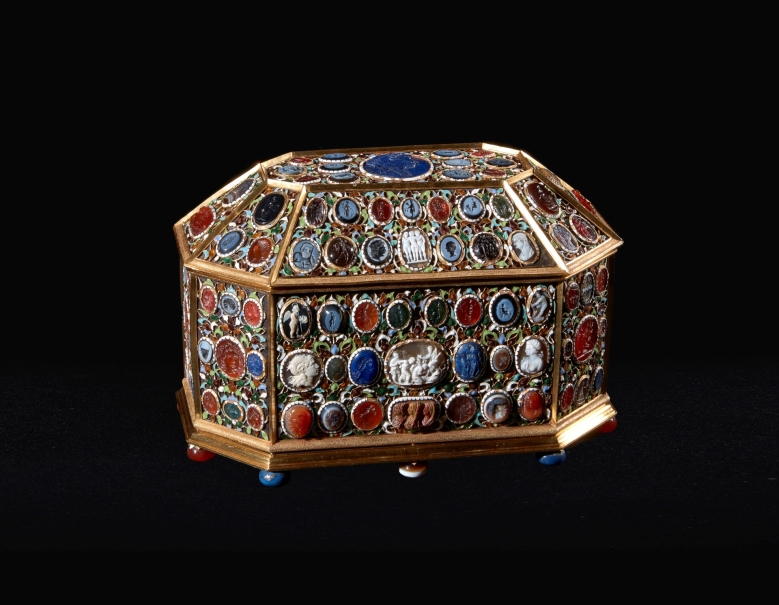
On the other hand, the Museo del Prado has an exceptional and varied representation of the Decorative Arts, with almost 3,500 works. The most important group consists of 144 hardstone and rock-crystal pieces which, together with their cases, form the so-called Dauphin’s Treasure, inherited by Philip V from his father, and which since 2023 can be viewed in 360 degrees on the Museum’s website.
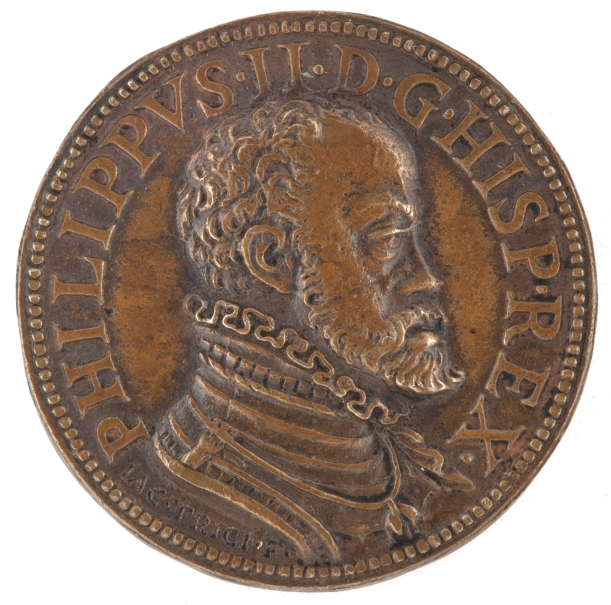
The Museum also preserves an outstanding collection of hardstone tables and tabletops of Florentine origin and from the Royal Workshop in Madrid, as well as a set of more than 1,300 medals from all the European schools and 943 coins.
The collection is completed by a representative yet high-quality display of Flemish tapestry, with several tapestries by Pannemaker, as well as a small group of furniture, with various examples of Talavera ceramics, Buen Retiro porcelains, and pieces from the Royal Glass Factory of La Granja, among others.
Especially noteworthy is the group of almost 200 miniatures, one of the most important collections of its kind held in Spanish museums.