
Loading...
Comprehensive knowledge as opposed to specialization
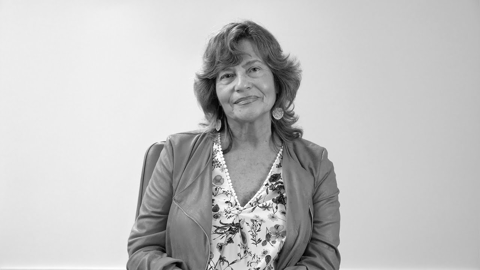
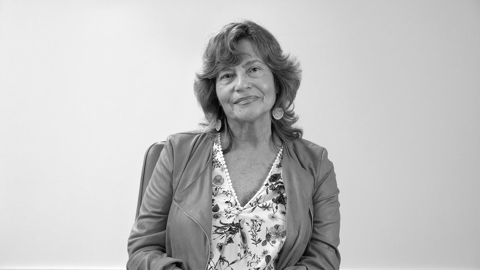
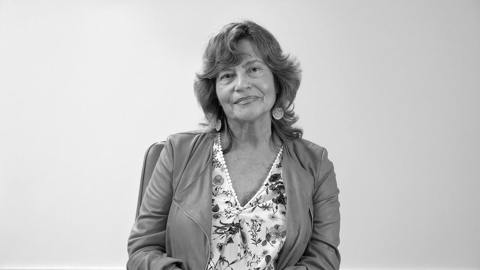
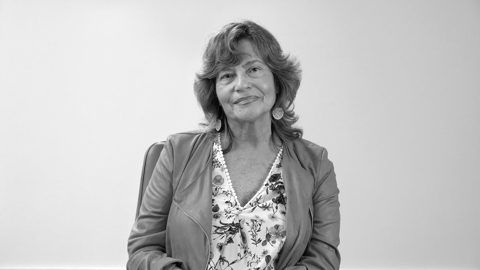
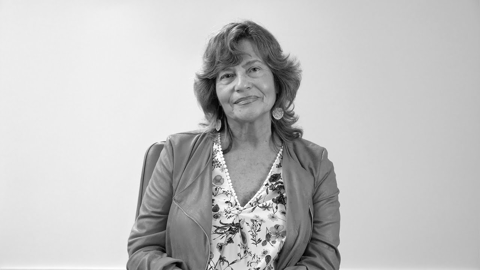
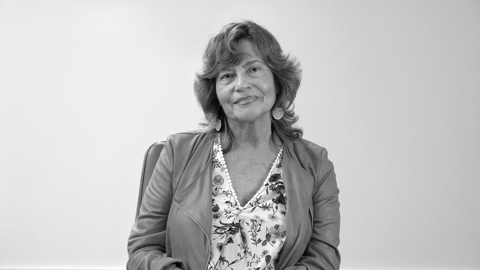
Inmaculada Echeverría Elvira, Head of the Technical Documentation and Laboratory Section, 1985-2024Comprehensive knowledge as opposed to specialization
Inmaculada Echeverría Elvira, Head of the Technical Documentation and Laboratory Section, 1985-2024
Obviously the documentation we used to compile is not the same as it is today, and the means at hand were different. But I can tell you that it was a very interesting opportunity to learn how technical documentation was prepared then and now.
We X-rayed a painting part by part. It was complicated because we didn't have X-ray scans at the time. What we did was take pictures of the X-ray film and then we joined them together. Those were the pictures we gave to curators and restorers so that they could get on with their work, or we showed them the original X-ray film.
Regarding the analyses, in those days we took samples, analysed pigments, taking ultraviolet photographs and we also took pictures of the paintings. In other words, we had a photographic cabinet, with Carlos Manso, but we took pictures of our own paintings, it was done by Carmen Garrido or by me, using a camera we still have, a precious Bronica, and we also took ultraviolet pictures.
We had to invent absolutely everything. When we did the first infrared analyses, you can't imagine the things done by José María Cabrera, who was the director of the Restoration Institute, the one who brought in most of those who are here. He personally took care of designing whatever he needed for the infrared analyses, like an artisan in his workshop.
The infrared analysis of Durer's Adam and Eve, the X-ray films using a camera that was also a small curved monitor, these were things that had to be done little by little. We dealt with huge frames, and what we did was divide them into square parts using a green thread in order not to miss any photograms, because that was the colour you could see through the camera.
With the level of work we had, we could allow ourselves the luxury of preparing the full technical documentation on the X-rays, small samples of infrared analyses, ultraviolet photographs, the reverse side of the canvas, analyses of pigments. As I just mentioned, we had time for a thorough study of the paintings. At present things are different and naturally the work is spread out.
Member of the Technical Office, she began her work at the Museum thanks to a grant to study and analyze the works of El Greco.
Interview recorded on May 08, 2018
Interview index
3 / 14-
Large works didn't fit -
Analysing the Guernica -
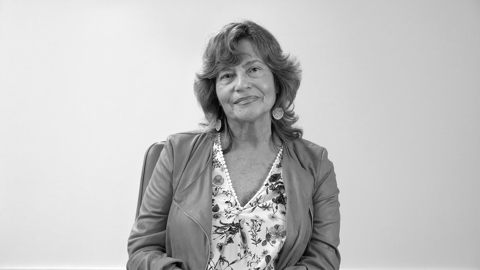
Comprehensive knowledge as opposed to specialization -
Velázquez for the second time -
Dialogue is of the essence -
Nostalgia of a hall -
Innocent X by Velázquez -
Counterfeits -
The directors -
The concierges, very respectful people -
My friendship with the Art Handler team -
Remembrance of times past -
The privilege of working here -
A way in the world
- Collective
- Technical Documentation
- RDF
- RDF
Collective
Technical Documentation
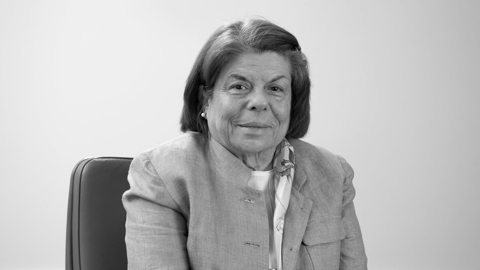
Carmen Garrido Pérez
Head of the Technical Office, 1982-2012
Theme
--
Voces del Prado