
Loading...
Four Years Reviewing the Deposited Works: An Almost Police-Like Labour
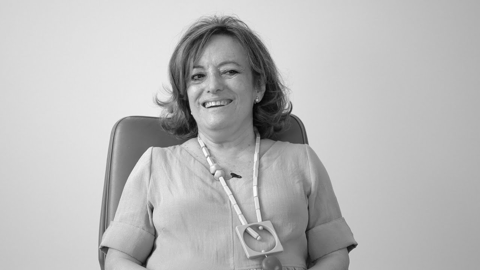
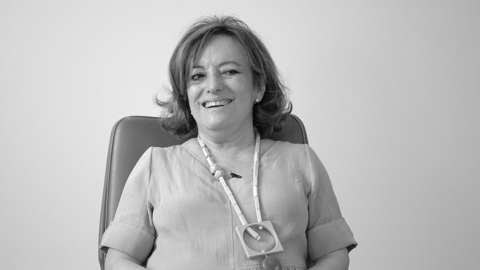
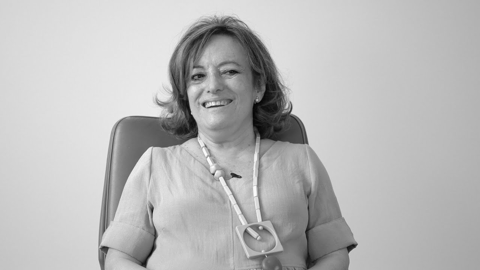
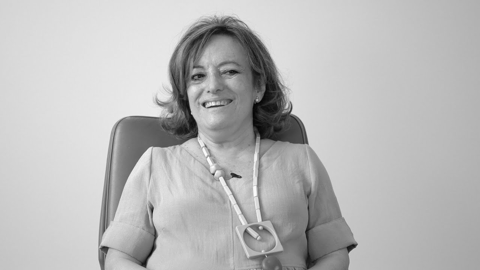
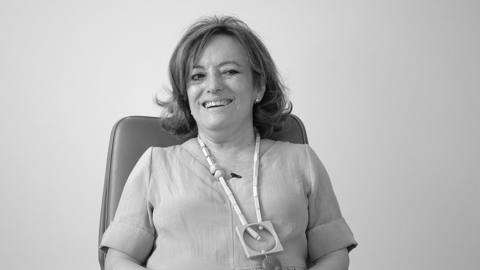
Montserrat Sabán Godoy, Management Technician, 1977-2016Four Years Reviewing the Deposited Works: An Almost Police-Like Labour
Montserrat Sabán Godoy, Management Technician, 1977-2016
The person who was working there was Mercedes Royo-Villanova [Payá], a delightful woman. Furthermore, she was very generous in her endeavours on behalf of the Museo del Prado. She was the one who really began working with the Museum’s deposited works, thanks to her husband, whom she travelled with a great deal. She took advantage of this circumstance to take photographs of the works that were deposited outside the Museum, and she paid for those photographs. Then the Deposited Works team was set up, first with Mercedes Orihuela. What we did was to publish our findings in the Museum Bulletin, which had a section on deposited works. These were published with photos of variable quality, sometimes good and sometimes worse, depending on where the picture was hung, because perhaps it was positioned high up and it wasn’t easy to take a photograph of it. We published our bulletins according to loan centre, photographing all the works they had taken as deposits.
Our review of the deposited works consisted of drawing up an inventory of all the centres that had pictures belonging to the Museum, based on our records, any other inventories and other documentation that existed, so that we could gain a clear idea of where these works were located. Because if you asked them how many pictures they had, they wouldn’t tell you. Which is why you had to obtain all of this information from the documents and inventories that existed: “deposited on such-and-such a date”. In this manner, you could pull the thread in order to discover how many pictures there were at any official centre, even at the embassies through the Ministry for Foreign Affairs. So then we drew up record sheets in order to know what we might find the day we went to visit the institution in question, because a law was passed whereby the State paid for a prosecutor to accompany us. In this respect, we went round to these places with a policeman who certified what was said, and it was he who completed the record as it were, who approved the report, because we weren’t going to run off with pictures that didn’t belong to us either. We began to visit all of the centres in Madrid. Then we went back to the Museum and did what we had to do, indicating the state of preservation of each of the works. If the pictures weren’t well looked after, we had the authority to reclaim the deposit, cancel it and bring the work back to the Museum. You had to know what works were deposited there, because in the majority of cases they didn’t know. On some occasion, the Museum even staged an exhibition and didn’t have the works that it owned available.
In the Deposited Works Department worked Mercedes Orihuela and another girl who later went on to the Fine Arts Museum of Valencia, who was called Adela Espinosa. They arrived before I did. Then Mercedes Royo-Villanova and I joined. We started with the centres located throughout Madrid that had works deposited by the Museo del Prado: ministries, official bodies, etc. They then continued with this work, which is still being carried out, but we only visited the places close to Madrid. I remember going to Segovia, Ávila and some other places close by; they had to be close by, because we didn’t even have the money to pay for the gasoline. It took us three of four years, approximately. The others then continued travelling to all the provinces and even sometimes abroad, because some works are housed at embassies.
Once I was reviewing the nineteenth century archives, and there were a series of lost paintings. We didn’t know where they had ended up. This tended to happen, because there were some very old deposits, many of which were lost during the Civil War, or, for example, the ones in Lisbon. So we didn’t know where they were, but we followed the trail. I recall one painting I was drawing up a record for and we’d given it up for lost. It turns out that I went one summer to Greece with a boyfriend who ended up becoming my husband, and he took me to the Ambassador’s house, and it was there that I saw a painting belonging to the Museum that I recognised, and they said: “How do you know it belongs to the Prado?”. And I replied: “Because it’s one of our lost and untraced pictures, that’s how I know”. When I returned, we claimed the painting from the Ministry for Foreign Affairs. I remember perfectly that it was a José Garnelo [Alfonso XIII, con uniforme de capitán general de Artillería]. But there I didn’t say anything. I just asked: “Do you know where this picture came from?”. They replied that it had come from the Ministry for Foreign Affairs. At the Ministry they didn’t know anything, but they ended up agreeing that the painting belonged to the Museo del Prado. It was an almost police-like labour.
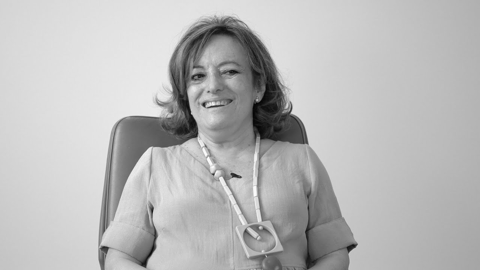
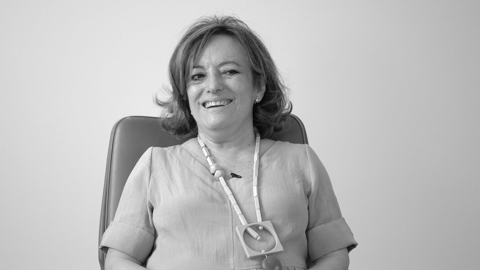
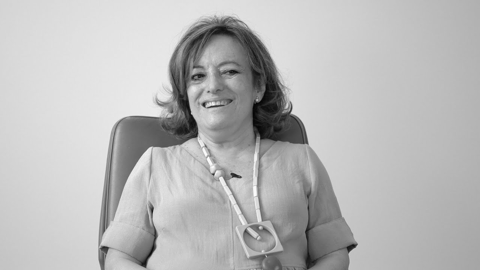
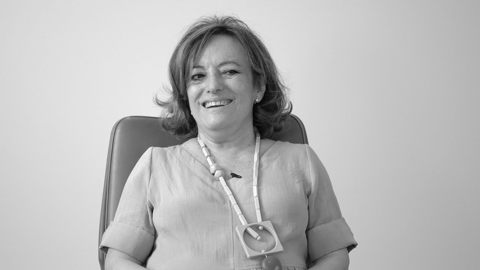
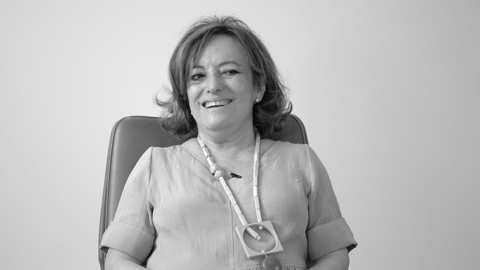
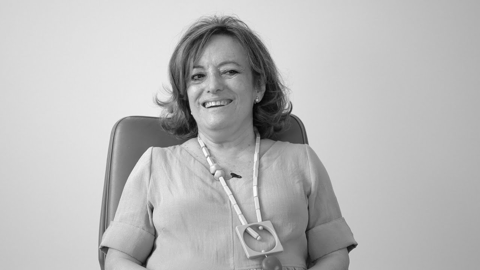
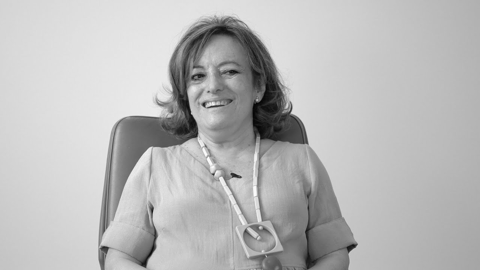
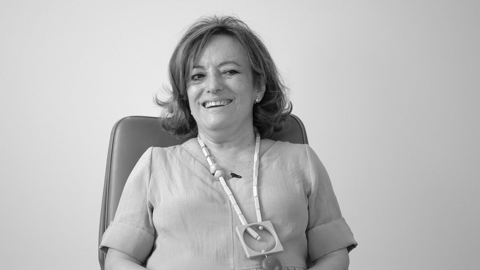
She joined the Museo del Prado with one year of experience as a trainee, later going on to review the material of the permanent collection ("Prado disperso"). She joined the Temporary Exhibition Service and later worked in the Permanent Collection where it is responsible for remodeling the rooms and controlling the movements of the works of art.
Interview recorded on June 28, 2018
Interview index
7 / 13-
Late 1978 -
Thanks to Javier Morales -
Rocío Arnáez and Work Experience -
They Paid You When There Was Money Available -
A Very Small Team -
The Late 1970’s: Guides for Official Visitors -
Four Years Reviewing the Deposited Works: An Almost Police-Like Labour -
Coordination of Temporary Exhibitions -
The Permanent Collection -
Curators and the Art Handler team -
The Directors Leave Their Mark -
The Room of Las Meninas -
A Marvellous Experience
- RDF
- RDF
Theme
--
Voces del Prado