
Loading...
The Directors Leave Their Mark
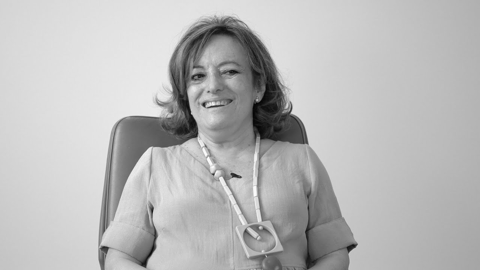
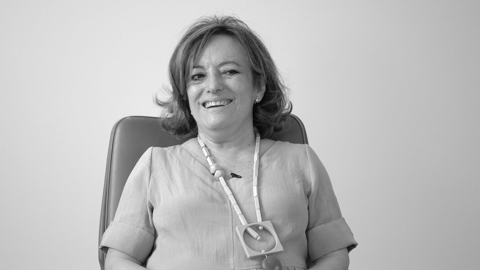
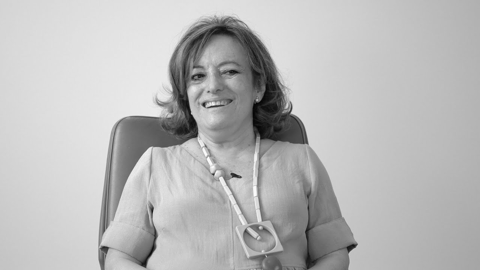
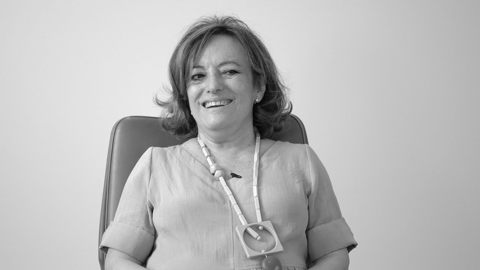
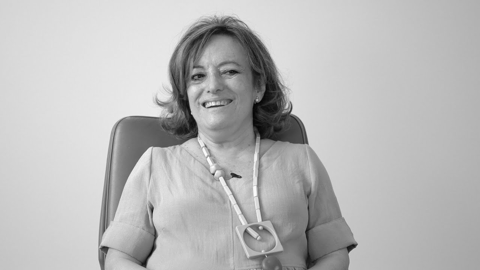
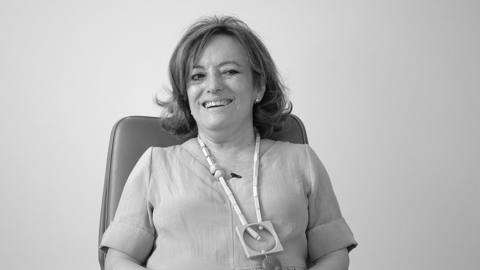
Montserrat Sabán Godoy, Management Technician, 1977-2016The Directors Leave Their Mark
Montserrat Sabán Godoy, Management Technician, 1977-2016
Xavier de Salas was a man of truly exquisite character. He had very good taste, that’s a fact. But sometimes he went too far. He was a man who’d travelled a great deal and he had a different feel about him compared to what we had here, because we were more closed. But he had a more panoramic vision of what was happening out there. So he gave everything a special touch. The biggest change came when Alfonso Pérez Sánchez left [from the Assistant Direction], because it was very difficult to match him. Then Father [Federico] Sopeña [Director between 1981 and 1983] came and it was a big change, because Father Sopeña was cultivated, and he knew about music and other things, but he didn’t know much about museums. The situation was saved thanks to the fact that Manuela Mena was Assistant Director. Father Sopeña was very amiable, but he didn’t know anything about painting, which was fundamental for the Museum, even though we also have sculptures. But our biggest collection is made up of paintings, and that’s why he delegated things to Manuela a great deal.
We’ve gone without a Director for many periods, until the position has been filled. Time passes and you think, “well this is still going”. However, I think the Directors leave their mark. For example, in the case of Miguel Zugaza you have to acknowledge that he has had – and still has – a real gift for bringing in sponsors; he operates really well within those circles. Their personalities also have an impact. I think you really notice the influence of the Directors in this respect. Perhaps I shouldn’t say it, but I think the smartest Director of them all was Pérez Sánchez, because he knew the Museo del Prado really well and he had so much knowledge. He was an individual who made you nervous when he said something, because he was a special character. That’s certainly true. He was tough, but he was also clever, which was great. The most chaotic Director was Pita Andrade. When we started working with the deposited works, he received letters but very often he didn’t open them, so very often you didn’t know whether they had replied to you. Things like that. But then he was an amiable man, and you didn’t have any problems with him. He didn’t create conflicts, but it wasn’t easy working with him, because you never knew how things stood. You’d always think: “Has he got it or hasn’t he?”. But apart from that, I haven’t had any problem with any of them.
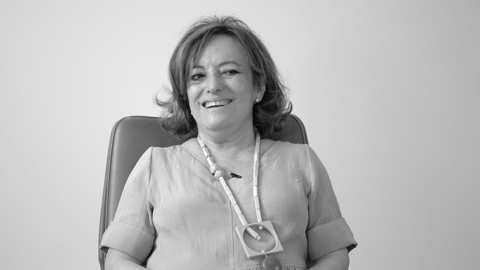
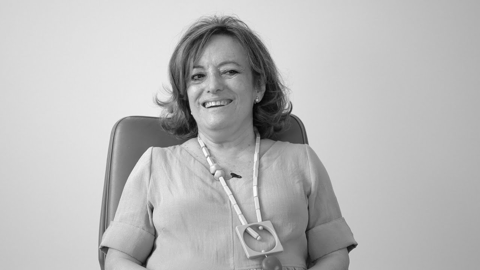
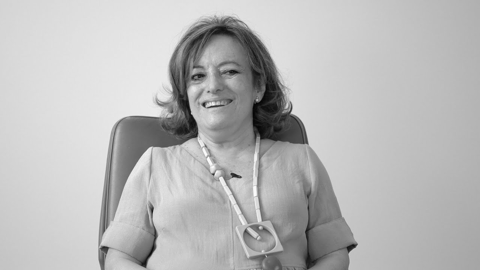
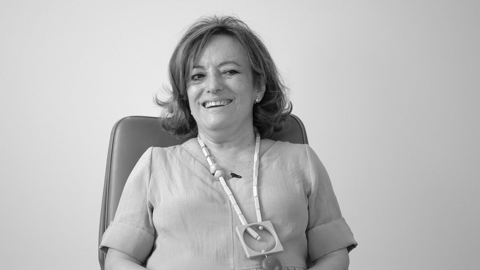
She joined the Museo del Prado with one year of experience as a trainee, later going on to review the material of the permanent collection ("Prado disperso"). She joined the Temporary Exhibition Service and later worked in the Permanent Collection where it is responsible for remodeling the rooms and controlling the movements of the works of art.
Interview recorded on June 28, 2018
Interview index
11 / 13-
Late 1978 -
Thanks to Javier Morales -
Rocío Arnáez and Work Experience -
They Paid You When There Was Money Available -
A Very Small Team -
The Late 1970’s: Guides for Official Visitors -
Four Years Reviewing the Deposited Works: An Almost Police-Like Labour -
Coordination of Temporary Exhibitions -
The Permanent Collection -
Curators and the Art Handler team -
The Directors Leave Their Mark -
The Room of Las Meninas -
A Marvellous Experience
- RDF
- RDF
Theme
--
Voces del Prado