formularioRDF
The itinerary <em>TITULORECORRIDO</em> has been successfully created. Now you can add in works from the Collection browser
<em>TITULOOBRA</em> added to <em>TITULORECORRIDO</em> itinerary

Exhibition

Objects Speak. Collections of the Museo del Prado

Palacio de Exposiciones Kiosco Alfonso. A Coruña 2/16/2016 - 5/26/2016

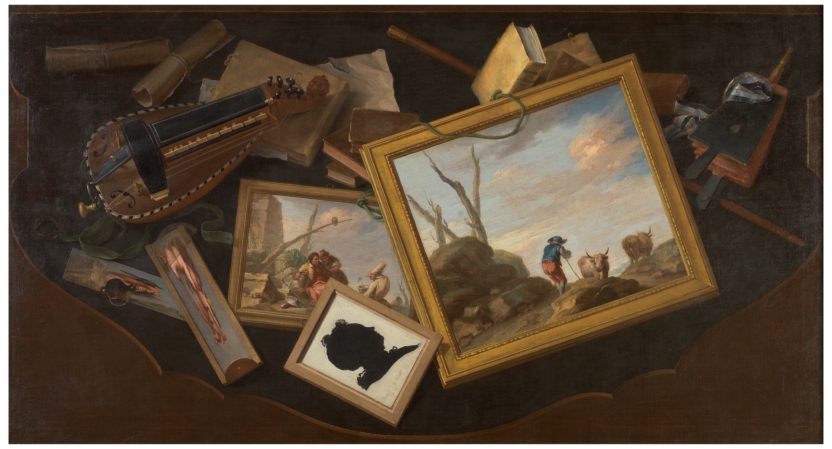
We see ourselves reflected in objects that have accompanied human beings through the ages—things we use to eat, dress, work or simply enjoy our free time—because such objects are repositories of individual and shared memories. They tell us about customs, beliefs, and the historical and social circumstances of the period when they were used. But they also suggest ideas, allow us to connect very different concepts, can elicit a wide range of emotions, and invite us to dream, imagine and evoke other times or places. Many of the museum’s pictures—still lifes, for instance—contain a large number of symbolic elements that enrich their formal appearance and provide clues to the message that the artist, or their patron or client, wanted to convey. However, they also have a wealth of hidden details, forcing us to repeatedly examine the paintings in order to grasp their true essence and worth. Objects speak and, more importantly, invite us to engage in dialogue. That is the goal of this exhibition: to facilitate a conversation between visitors and objects from the Museo del Prado, whether they are ‘real’ and three-dimensional or represented in the selected paintings on display.

Curator:
Fernando Pérez Suescun, Head of Didactic Content in the Prado’s Education Department

RDF

RDF

Co-organized by:

Exhibition

The Object Is the Key

The Object Is the Key
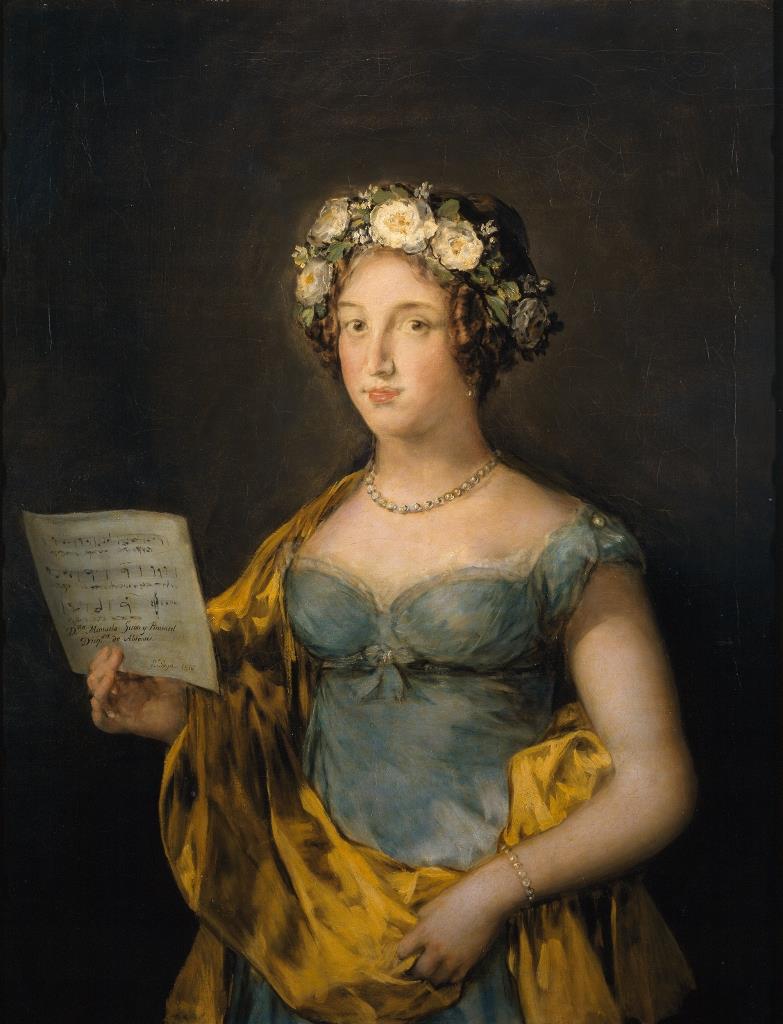
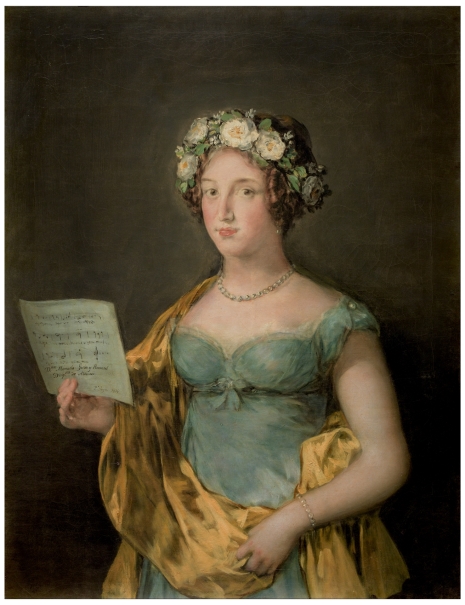
The Duchess of Abrantes
Goya, 1816
Oil on canvas. 92 x 70 cm
Madrid, Museo Nacional del Prado

What is the most important thing in a portrait? What do we notice first? Undoubtedly, the eye is drawn to the portrayed subject—their face, their gaze, their attire, their hair—but it also notices the objects they carry or which appear beside them. In Goya’s portrait of the Duchess of Abrantes, for example, the noble lady is wearing a French-style gown with a low neckline and a flower wreath on her head, but she also has something in her hand. It is not a prayer book, drawing or letter but a score, which the painter uses to convey his sitter’s love of music and singing and to reflect the refined intellectual setting in which the younger daughter of the Duke and Duchess of Osuna was raised.

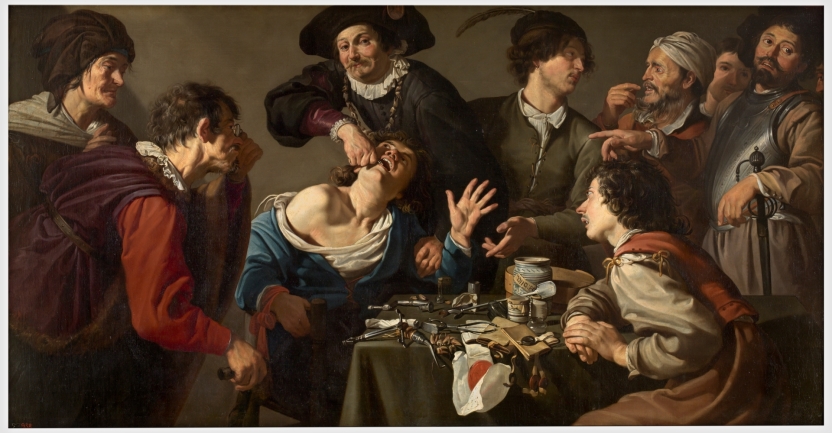
Sometimes objects can actually be the most salient features of a composition and provide vital clues for identifying the setting. This is true of the surgical instruments which Theodoor Rombouts’s quack tooth-puller has laid out on the table, and the long chain of molars worn round his neck as proof of successful past extractions like the one he is shown performing. Those objects are the key to the entire work.

Objects Portray Us

Objects Portray Us
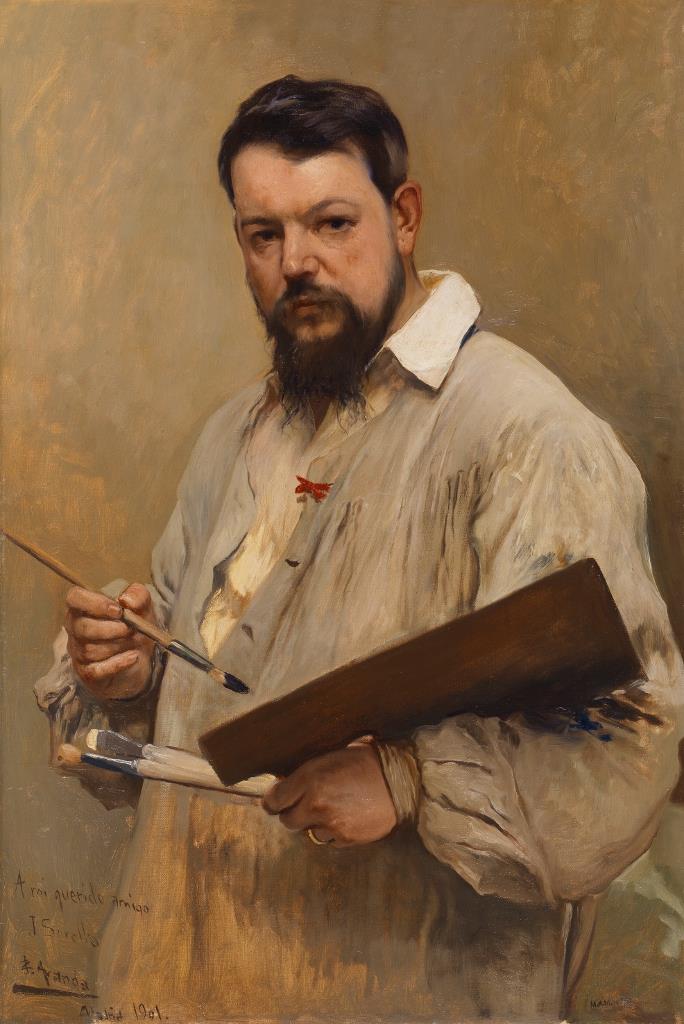
The Painter Joaquín Sorolla y Bastida
José Jiménez Aranda, 1901
Oil on canvas. 89.5 x 60.5 cm
Madrid, Museo Nacional del Prado

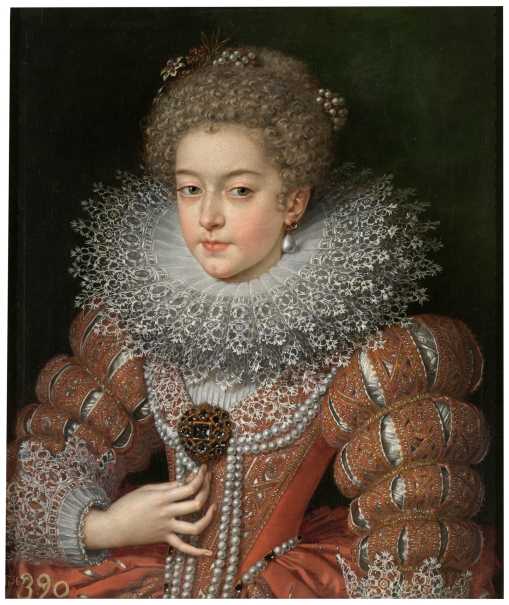
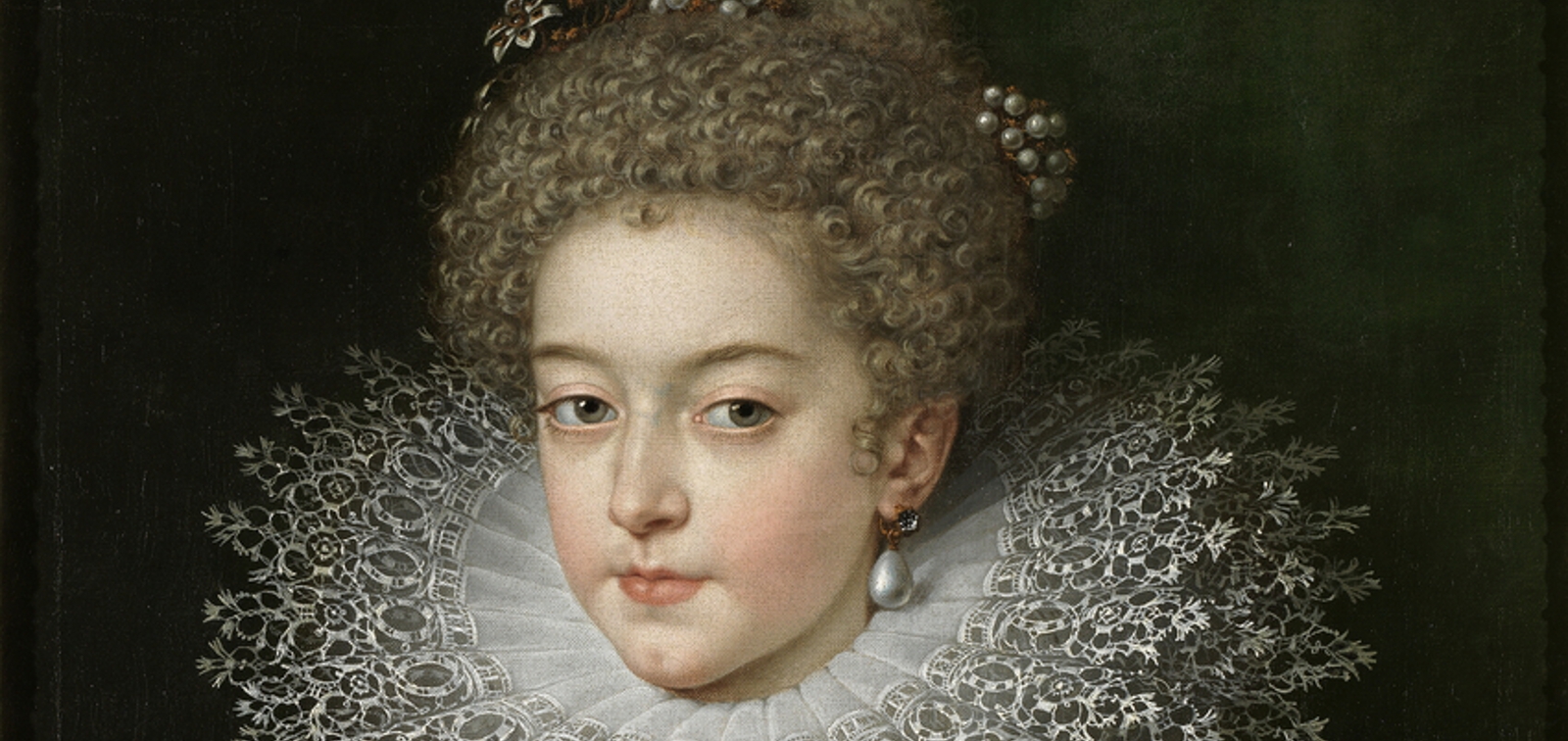
The objects that surround us define who and what we are—in other words, they portray us. The outfits and gowns wore by the individuals depicted in this exhibition are indicative of their status. Jewellery and accessories are especially important in portraits of women, like Queen Elisabeth of France, wife of King Philip IV, whose right hand gestures towards the lavish jewel and pearl necklace adorning her gown in Frans Pourbus’s splendid portrait.

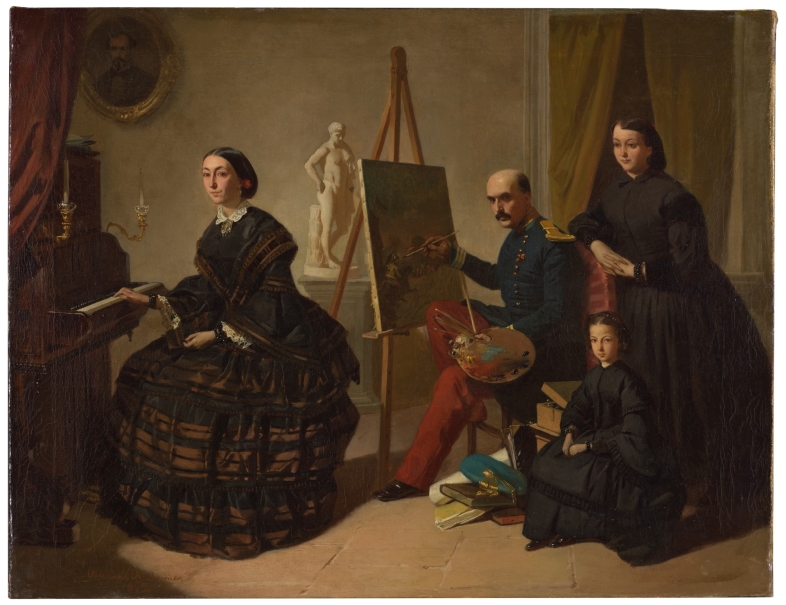
Similarly, the palette and brushes with which Carlos María Esquivel portrayed himself help us to identify him as a painter, just as the map in the hand of the English nobleman painted by Pompeo Batoni tells us he is a traveller on his Grand Tour who wanted to be immortalised with mementos of his journey.

Finally, the victuals shown in rich kitchen and table still lifes speak of the culinary habits and socio-economic context at the time they were painted, as well as the affluence of the people who commissioned them.

Hidden Messages

Hidden Messages
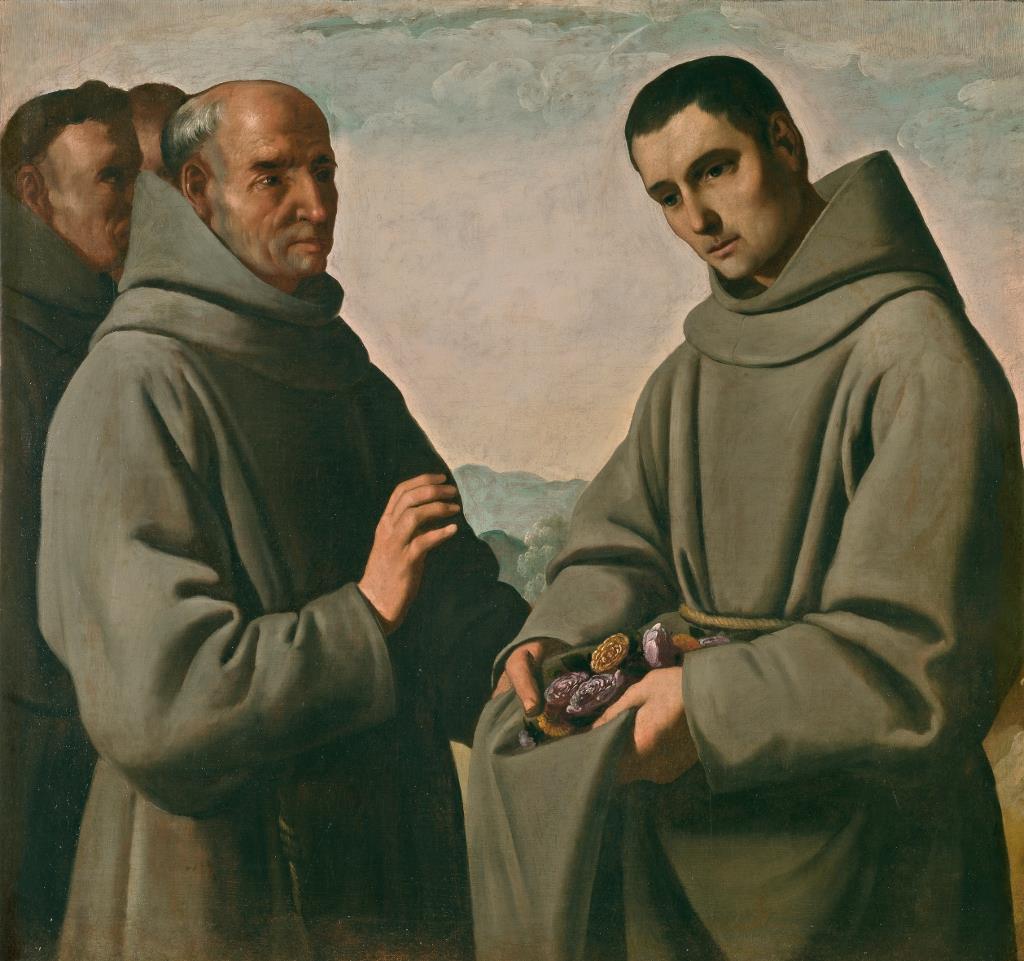
Saint Didacus of Alcalá
Zurbarán, 1658-1660
Oil on canvas. 93 x 99 cm
Madrid, Museo Nacional del Prado

Many paintings contain hidden messages or information that is not immediately apparent at first glance. Sometimes the objects that accompany a painting’s subject have symbolic significance, like the flowers Saint Didacus of Alcalá is concealing in his robe (a reference to when he miraculously turned bread into roses), or the skull that Flemish merchant Nicolas Omazur is holding in the portrait Murillo painted of him in Seville. The latter is a vanitas, symbolising the transience of human life and the inevitable fact that everything ends in death.

Additionally, certain sitters were portrayed with objects that served to connect them to absent friends or relatives (the cameo displayed by Infanta Isabella Clara Eugenia), made them look more dignified (the insignia of the Order of the Golden Fleece worn by King Philip II) or indicated their profession or pursuit (books, arms, ornaments, etc.). Others, such as the letter which a young woman has just received for her birthday in a painting by Raimundo de Madrazo, leave us wondering what the missive says and who sent it to her.

Collecting: From Practical Object to Art Object

Collecting: From Practical Object to Art Object
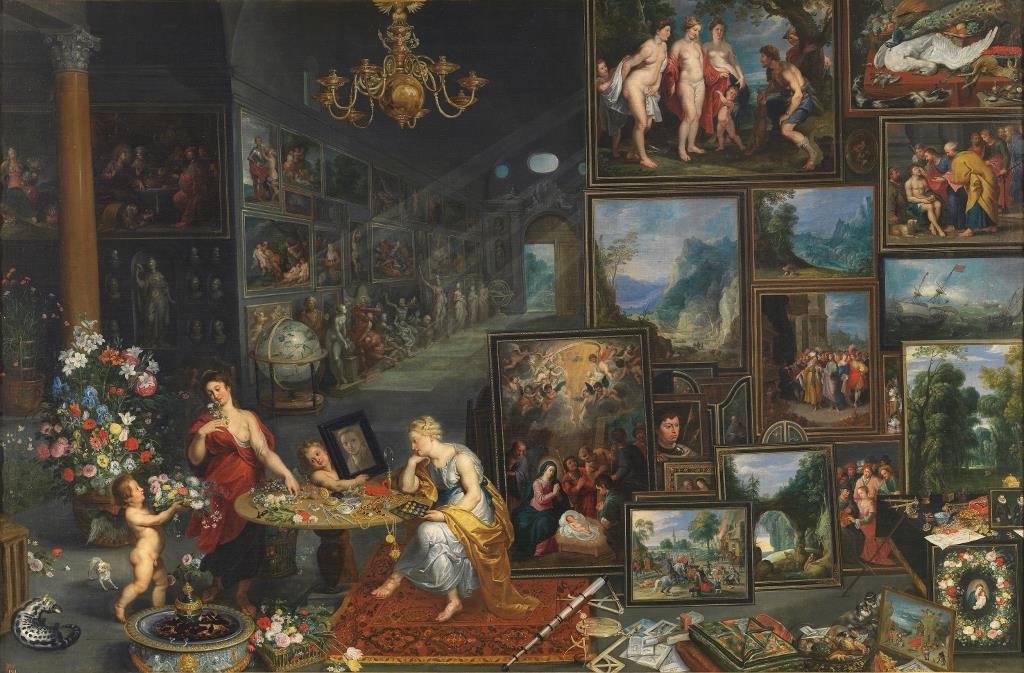
Sight and Smell
Jan Brueghel "the Elder"
C. 1620
Oil on canvas. 176 x 264 cm.
Madrid, Museo Nacional del Prado

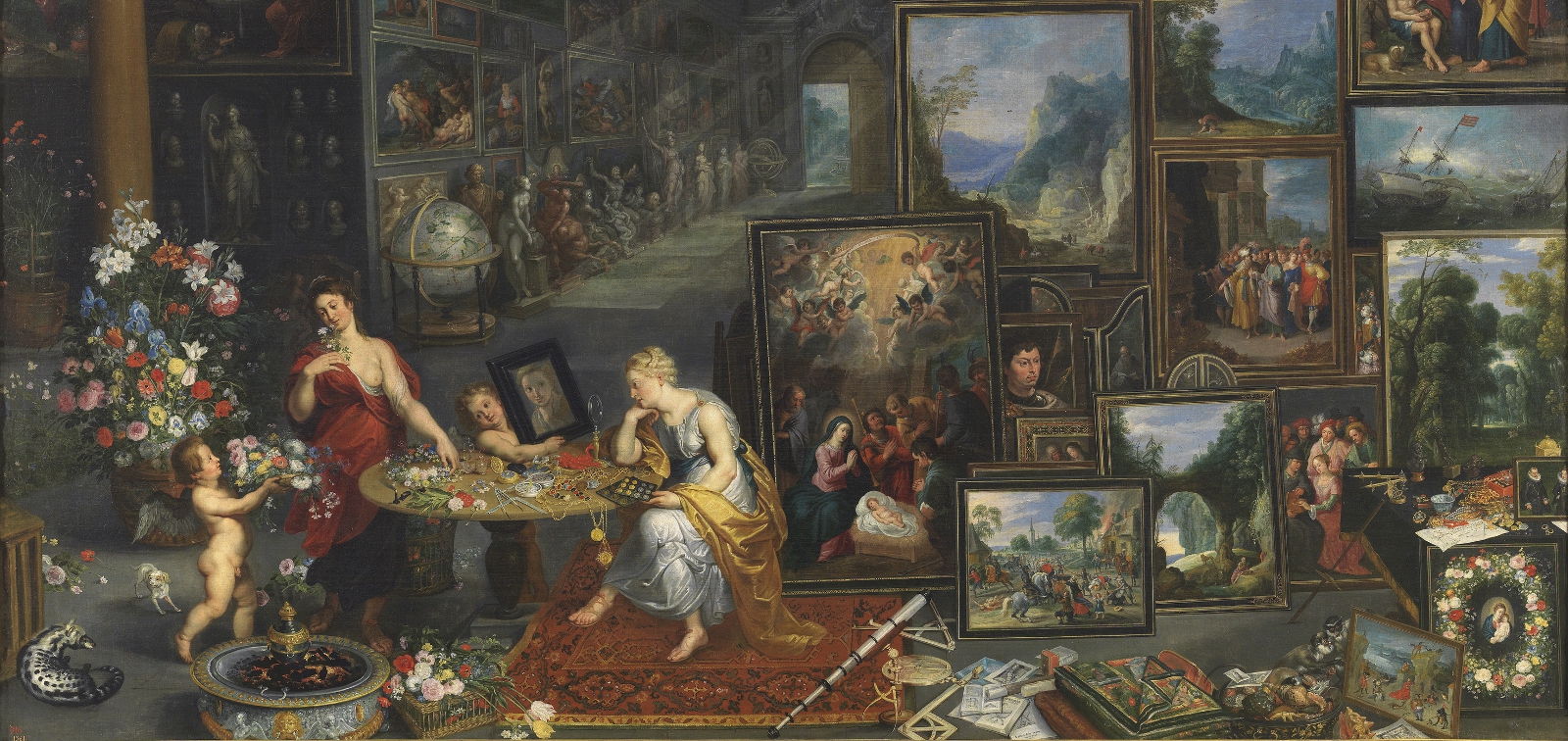
Since time immemorial, human beings have felt the need to amass objects and, moreover, show them to others as proof of their social status and affluence. We see this in the gallery that Jan Brueghel depicted in his allegory of Sight and Smell, which illustrates the sixteenth- and seventeenth-century Flemish aristocracy’s passion for collecting.

In the same way, the painter Ignacio León y Escosura—who was also a collector and antique dealer in the late 1800s—depicted his Paris study in a composition that clearly betrays his interest in paintings, decorative objects, armour, weapons, books and furniture of every sort.

An object’s beauty is in the eye of the beholder. As a result, many objects lose their practical utility and become collector’s items by virtue of their history, their artistic value or their power of suggestion. This is the case of the silver inkstand used by the director of the Prado and the hats once worn by its attendants, which are now part of the museum’s art collections and featured in this show.

Artworks

34

51

52

53

55

56

58

60

Print on demand

Print artworks available in our catalogue in high quality and your preferred size and finish.

Image archive

Request artworks available in our catalogue in digital format.

Up