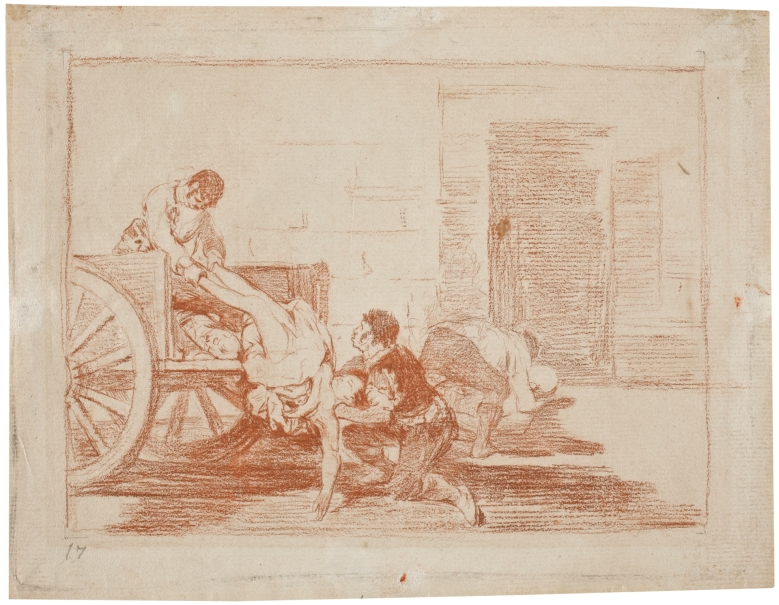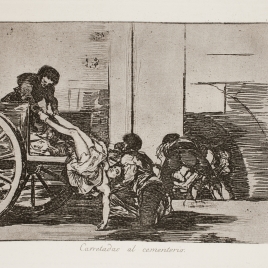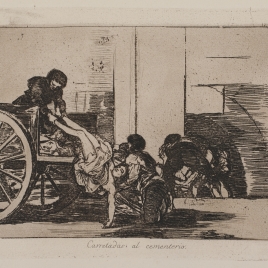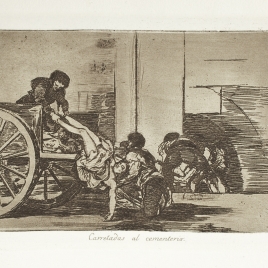
Cartloads to the cemetery
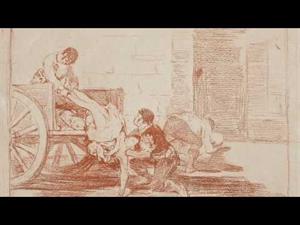
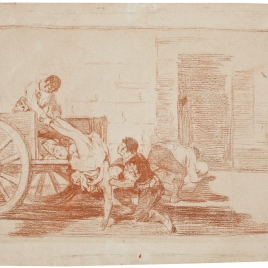
1812 - 1814. Red chalk on laid paper.Not on display
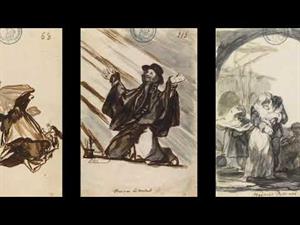
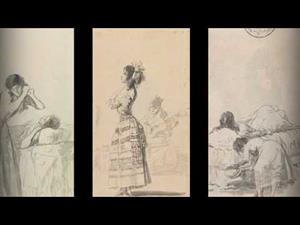
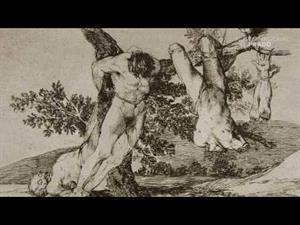
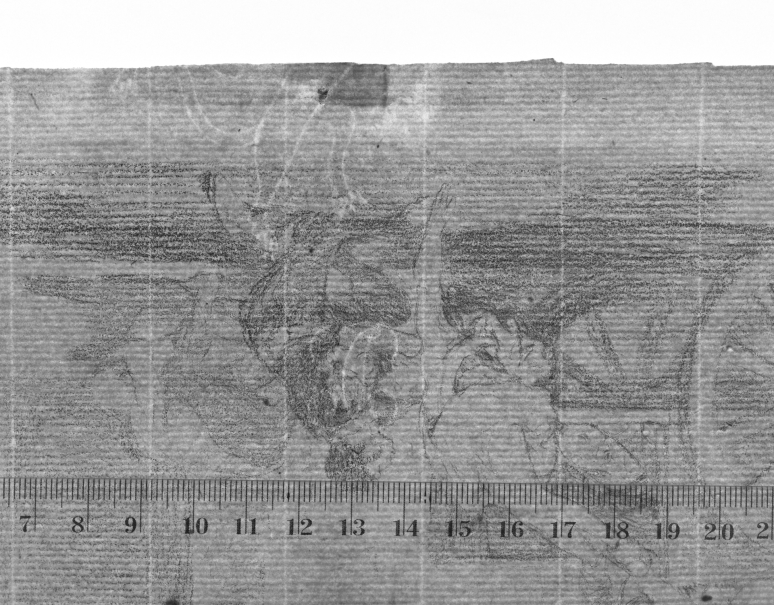
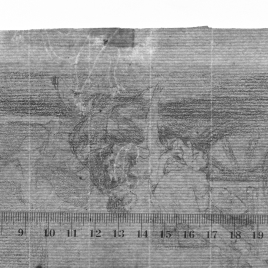
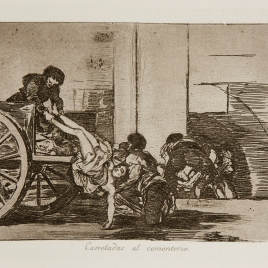
A preparatory drawing for Disasters of War, 64, Cartloads to the cemetery. The term, “cartloads” refers not only to how the bodies were transported, but also to the quantity. Goya dedicated various prints and preparatory drawings to this subject, including Disaster 56, To the cemetery and Disaster 63, Harvest of the Dead. His decision not to order them sequentially conveys the idea of reiteration, that is, the continuous presence of specific events throughout the war. The comparison of the preparatory drawing with the finished print reveals how, without substantially altering the composition, the artist is able to focus on details that reinforce its narrative capacity. The most important change affects the setting and the figures arranges in the middle ground. Goya sets the scene in an urban space clearly defined by architectural elements, which allows him to convey the specificity of the matter he is depicting. In the drawing, the building is only sketched in with a few strokes of red-chalk to represent the stone blocks of a wall. In the print, however, a more intense group of parallel lines defines the entryway to what is probably a church. The main group of figures—the body of a young woman being lifted onto a cart by two men—relates this image to Disasters 52, They do not arrive in time. It is a romantic way of secularizing a religious idea also present in other prints from the Disasters, including No. 1, Sad presentiments of things to come: the placement of the figure of the woman being lifted onto the cart recalls the lassitude and beauty of Christ’s lifeless body. (Text from Matilla, J.M.: Carretadas al cementerio, in: Goya en tiempos de guerra, Madrid, Museo Nacional del Prado, 2008, pp. 330 and 331)