
Loading...
Different Directors: aristocrats, artists, art historians
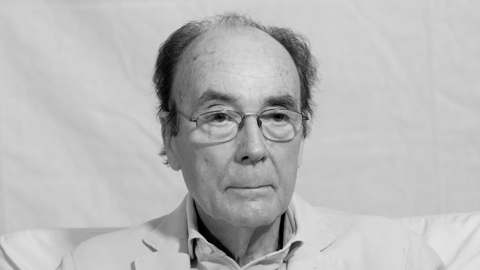
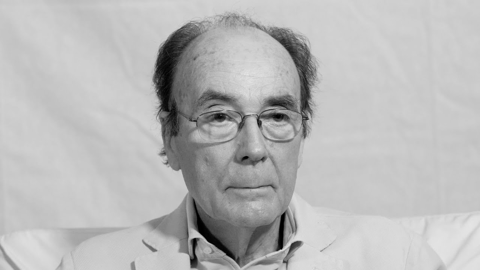
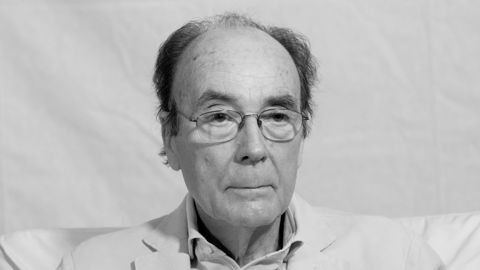
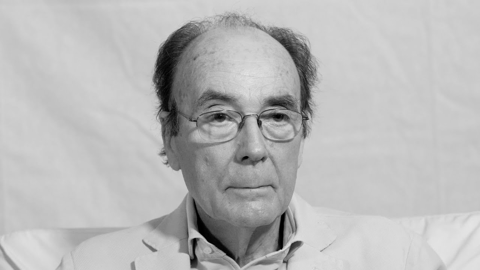
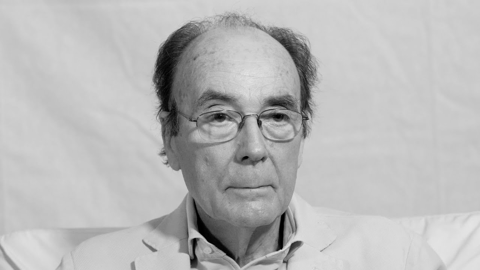
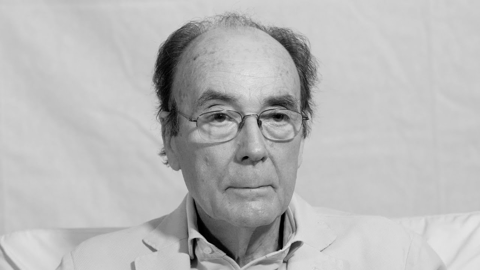
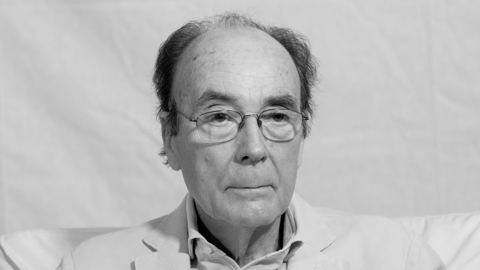
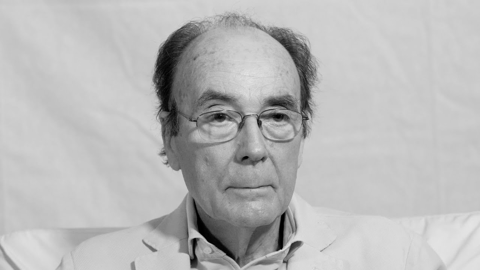
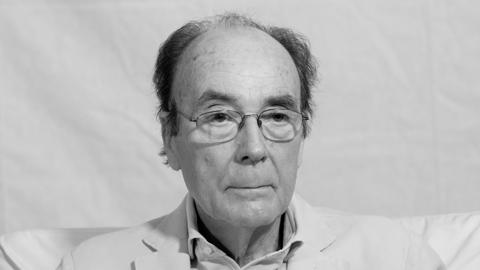
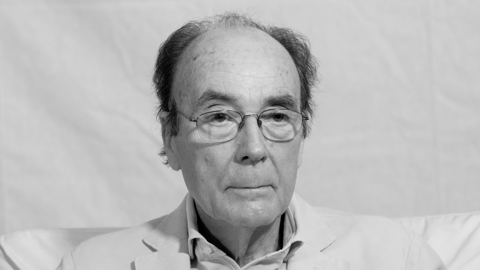
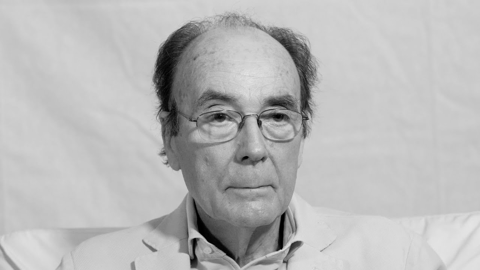
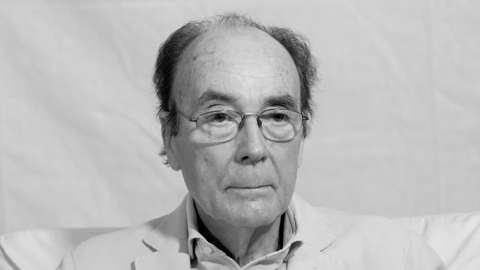
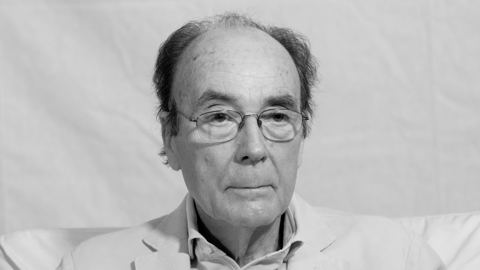
Francisco Calvo Serraller, Museum Director, 1993-1994Different Directors: aristocrats, artists, art historians
Francisco Calvo Serraller, Museum Director, 1993-1994
The Museum has witnessed different directors over two centuries. In the beginning, the king, Ferdinand VII, was the owner of the collection, so he appointed the directors, who were aristocrats. Later on, when the Museum was nationalized, as it were, the owner became the State and the general policy until recent times was to appoint artists as its directors. Up until the Civil War, apart from being headed by artists, the Museum selected new pieces for its collections from amongst the contemporary works of the time: the works that were successful at national fine arts exhibitions. This practice was phased out at the end of the 19th century, because the creation of the Modern Art Museum provided an alternative venue for these works.
When artists headed the Museum, it was a lively institution. New works arrived constantly, just as they had done so in the Royal Collection. When the figure of art historian was created in the Museum’s management structure, it was impossible for me not to have a direct link with them, either because I’d been their student or we’d been colleagues together or because I’d been the Director’s teacher. For example, I taught Fernando Checa and Miguel Zugaza. Their predecessors included practically all of my lecturers. Diego Angulo Íñiguez was the one who shaped the specialized field known as the History of Art. He was my lecturer and I was amongst his first graduates. Alfonso Pérez Sánchez, who was his favorite student, also taught me at university. Javier de Salas, who directed my graduate dissertation was also a university lecturer. Pita Andrade did not teach me, but he was a faculty colleague of mine as a Professor when I was a Senior Lecturer at the Universidad Complutense. The universal tendency today is to appoint art specialists in management positions, or experts in marketing or in the financial promotion of the institution. In reality, the Director has to be both things at once.
Director of the Museo del Prado from 1993 to 1994, he was a founding member and Trustee of the Board of the Friends of the Museo del Prado Foundation. Moreover, he was Professor of Art History at the Universidad Complutense de Madrid, the curator of several exhibitions and an art critic.
Interview recorded on October 04, 2018
Interview index
3 / 18-
Head of the Museum and founding member of The Friends of The Prado Museum Foundation -
The history of Spain reflected through the Museum -
Different Directors: aristocrats, artists, art historians -
I never dreamt I might head the Museo del Prado one day -
Qualities required to head The Prado -
Political tact and public relations required to head The Prado -
The Director must walk round the Museum -
The Prado: a political football -
Budgetary paradoxes and ridiculous cultural policies -
A neglected museum up until the first Aznar government in 1996 -
Miguel Zugaza (2002): The ideal person at an optimum moment -
An exciting moment: The battle of the attendants -
Coordinating a museum and attending to all members of staff -
A non-existent press department -
Resignation -
Not a single day without passion or enthusiasm -
The warmth of the employees -
Oral recollection: Talking with body and mind
- Collective
- Management
- RDF
- RDF
Collective
Management
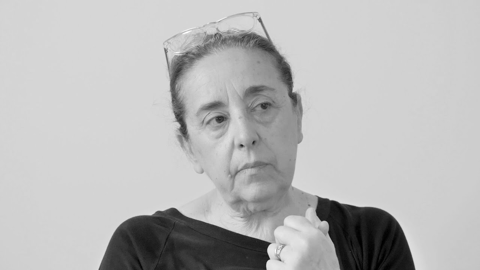
Manuela Mena Marqués
Head of the Department of Conservation of 18th Century Painting and Goya, 1978-2019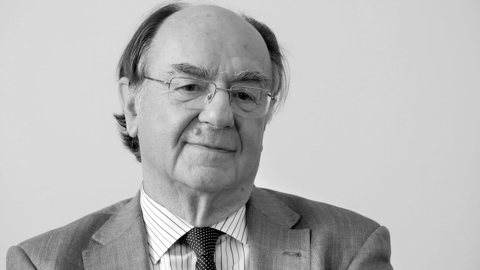
José María Luzón Nogué
Museum Director, 1994-1996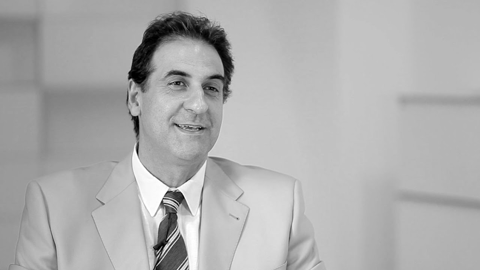
Gabriele Finaldi
Assistant Director of Conservation and Research, 2002-2015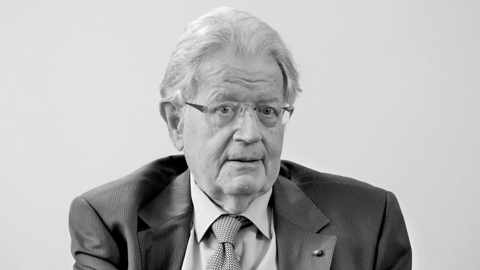
Felipe Garín Llombart
Museum Director, 1991-1993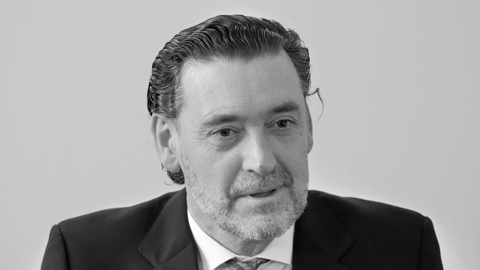
Miguel Zugaza Miranda
Museum Director, 2002-2017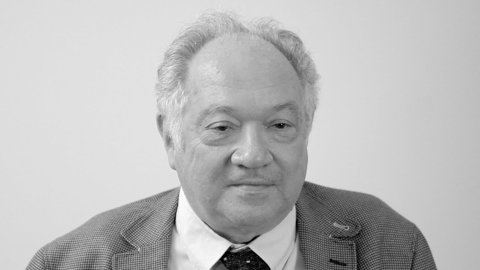
Fernando Checa Cremades
Museum Director, 1996-2001
Theme
--
Voces del Prado