
Loading...
Resignation
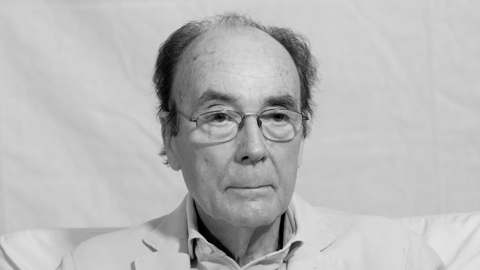
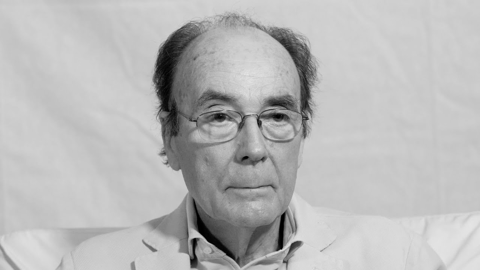
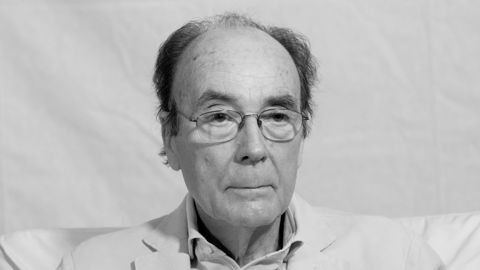
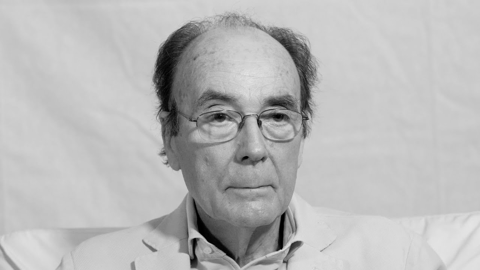
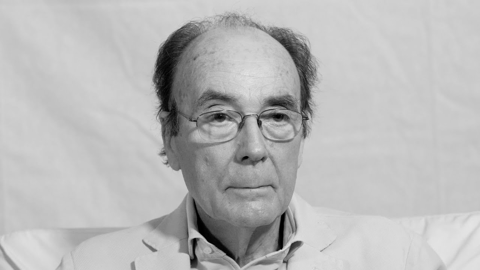
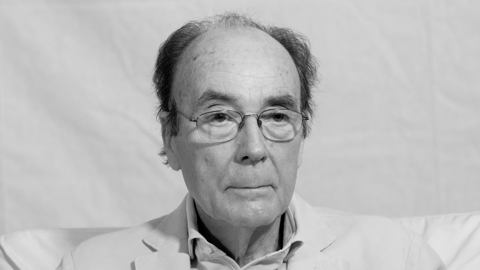
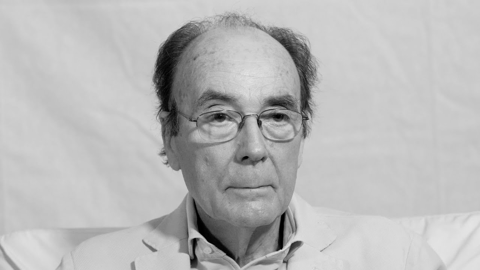
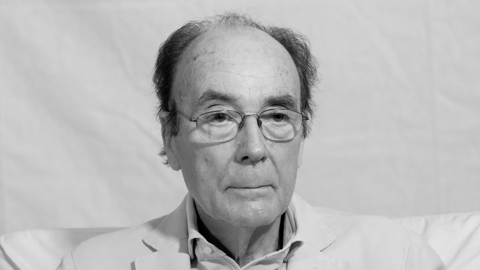
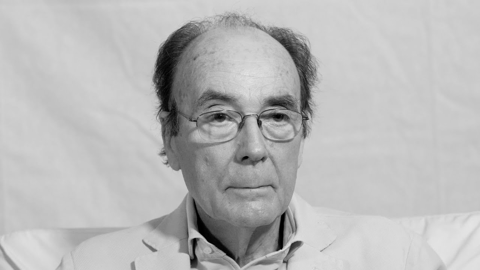
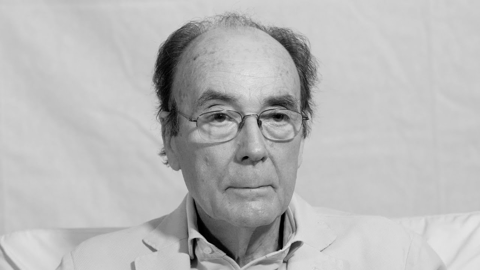
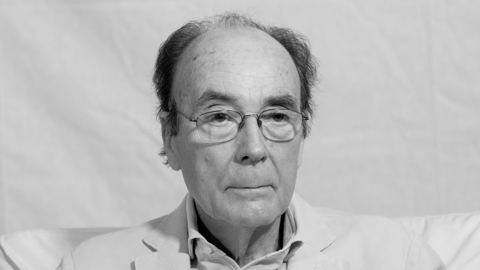
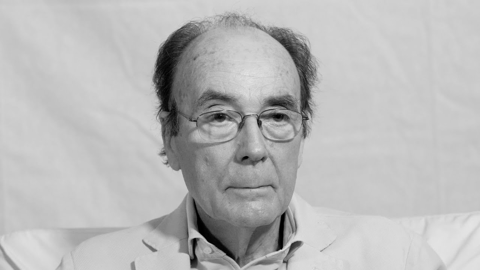
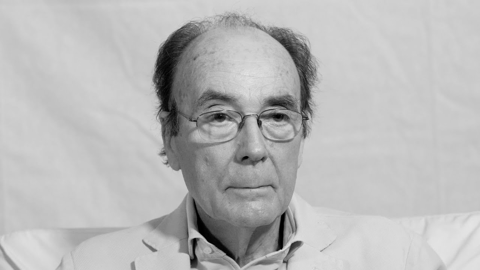
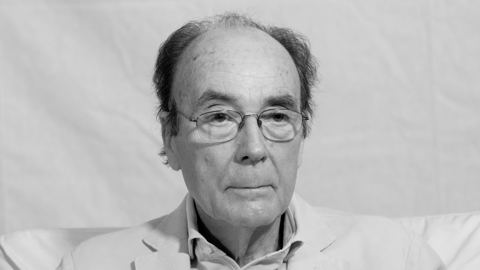
Francisco Calvo Serraller, Museum Director, 1993-1994Resignation
Francisco Calvo Serraller, Museum Director, 1993-1994
From the very beginning I was received with considerable hostility by the press … It was during the last Felipe González Government. People thought I came from "El País", without realizing that I contribute to "El País", but that I’m really a university lecturer and not an "El País" journalist. They said that Polanco had really appointed me, or something similar. That was really tough, not so much because of the personal insult or the fact that I was written off, but because it made any possible progress at the Museum more difficult.
Both whether you resign or you are removed, it should always have something to do with the Museum. If you don’t want the Museum to become a political battleground, a Director cannot use the Museum as a means of promoting his own political ideology. I believe we must be absolutely rigorous in this respect.
The reason for my resignation was very clear. The Minister for Culture publicly undermined me. I believe a superior can undermine or say what she likes to an inferior in private, but if she undermines him in public then the inferior has to resign because he has obviously been stripped of all credit. I don’t think the Minister undermined me consciously. In fact, she tried everything to persuade me not to resign. I could put up with the lack of media support, the lack of public support, but if political support was also lacking, then that was just absurd. It all happened because, as part of the campaign of ridiculous comments, one of the things that was published was that I had authorized a report featuring some designer chairs in the Museum. First, as I explained to the Minister, this was something that the Museum had been doing for some time in order to generate resources. Naturally, previous Directors had done things infinitely more questionable, although they were equally profitable. I was very careful to ensure that the activity to be carried out in the Museum made sense. Of course, as for the report in question, I didn’t approve it in the sense that I didn’t know the magazine in question would publish it, a magazine where my wife had been the Editor, but no longer was. We had a committee that applied a series of criteria that were not simply financial. It studied all aspects of the initiatives to be carried out. The committee responsible for studying the proposal considered that the activity entailed no risk and so it approved it. I was simply faced with a report that stated, “the Director of the Museo del Prado lends the Prado to his wife so she can set up some chairs”. I wasn’t affected by this in the slightest, because I was used to campaigns of this kind. But one thing led to another and questions began to be asked as to whether the criteria should be changed about renting out the rooms, something I was happy with. One day I went to the Museum and I saw a small item in the press that read, “the Minister of Culture undermines the Director of the Museum”. It stated that I didn’t want to change the legislation, something that was outside my remit. This discredit, which had been reported in a small article by "El País", a newspaper that did not bear me any particular ill-will, but which all the other newspapers had headlined, seemed to me an absolutely essential reason to resign. And that is what I did.
Director of the Museo del Prado from 1993 to 1994, he was a founding member and Trustee of the Board of the Friends of the Museo del Prado Foundation. Moreover, he was Professor of Art History at the Universidad Complutense de Madrid, the curator of several exhibitions and an art critic.
Interview recorded on October 04, 2018
Interview index
15 / 18-
Head of the Museum and founding member of The Friends of The Prado Museum Foundation -
The history of Spain reflected through the Museum -
Different Directors: aristocrats, artists, art historians -
I never dreamt I might head the Museo del Prado one day -
Qualities required to head The Prado -
Political tact and public relations required to head The Prado -
The Director must walk round the Museum -
The Prado: a political football -
Budgetary paradoxes and ridiculous cultural policies -
A neglected museum up until the first Aznar government in 1996 -
Miguel Zugaza (2002): The ideal person at an optimum moment -
An exciting moment: The battle of the attendants -
Coordinating a museum and attending to all members of staff -
A non-existent press department -
Resignation -
Not a single day without passion or enthusiasm -
The warmth of the employees -
Oral recollection: Talking with body and mind
- Collective
- Management
- Chronology
- 1990-2000
- RDF
- RDF
Collective
Management
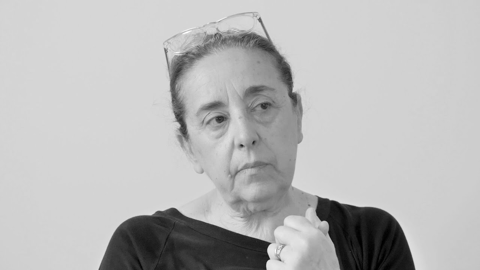
Manuela Mena Marqués
Head of the Department of Conservation of 18th Century Painting and Goya, 1978-2019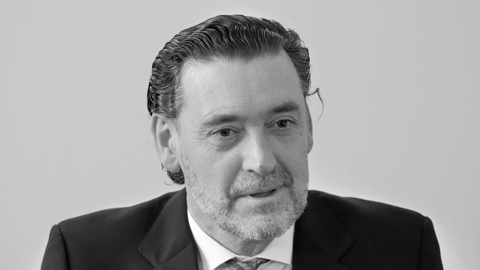
Miguel Zugaza Miranda
Museum Director, 2002-2017
Felipe Garín Llombart
Museum Director, 1991-1993
José María Luzón Nogué
Museum Director, 1994-1996
Gabriele Finaldi
Assistant Director of Conservation and Research, 2002-2015
Fernando Checa Cremades
Museum Director, 1996-2001
Theme
--
Voces del Prado