
Loading...
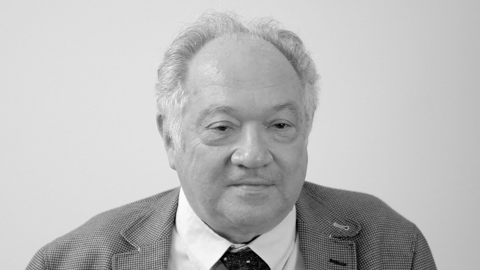
Alfonso Pérez Sánchez: A Giant Step Forward
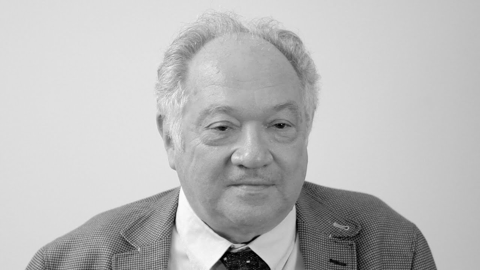
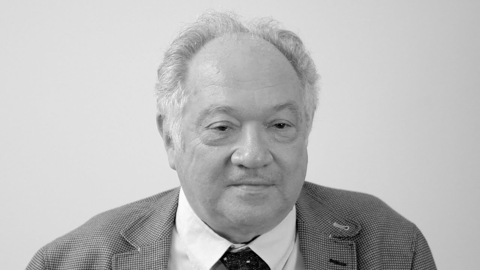
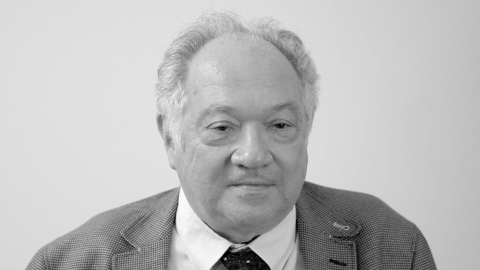
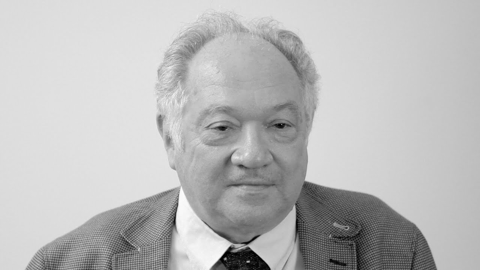
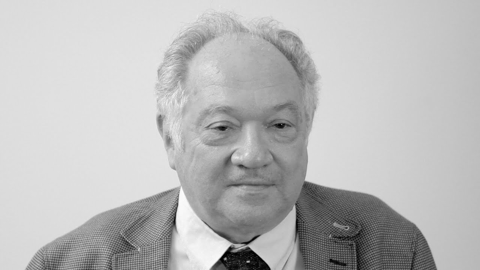
Fernando Checa Cremades, Museum Director, 1996-2001Alfonso Pérez Sánchez: A Giant Step Forward
Fernando Checa Cremades, Museum Director, 1996-2001
I knew Pérez Sánchez quite well. As the pure art historian that he was, he sometimes despised organisational tasks, but it was only talk really. Because he realised that he wasn’t going anyway unless he could free the Museum from the idea that it was just another organisation amongst all the other State-owned museums. If you look at the Official State Bulletin (BOE) before 1985, it makes quite terrifying reading, because under the Department of Fine Arts comes the Museo del Prado amongst a number of other important museums, other less important museums and others still that are practically unknown. The Museo del Prado used to appear as just another State body under the remit of the Museums Department. It was Pérez Sánchez who rescued the Museum from this situation and turned it into an autonomous organisation. Although it has been claimed that the Museum was really not very autonomous, this was actually a giant step forward.
Over time, the important role played by Pérez Sánchez has been recognised. He was the first one to realise a number of things, such as, for example, the importance of the storerooms at the Museo del Prado. The Museum had many important pictures that were not hanging in the Villanueva Building, but were distributed all over the place; sometimes their whereabouts was unknown and they were completely unmonitored. They were very important pictures that, in some respects, needed to be studied, restored and recovered. He began solving the question of the “Dispersed Prado” and he made a heroic effort, it has to be said, to tackle the problem, together with the few collaborators he had at the time. His helpers included Mercedes Orihuela, who has really devoted her whole life to putting the collection in order. We also owe Alfonso Pérez Sánchez for the Restoration Workshop, for the impetus he gave to the Museum’s restoration activities. I think this is another important aspect of the Museo del Prado. And the third thing I’d like to highlight is the importance he gave to certain aspects of the collection, such as, for example the Italian paintings, which still require a great deal of study, not to mention the purely organisational aspect.
Director of the Museo del Prado from 1996 to 2001, art historian and museographer, specializing in Baroque painting and especially in collectionism and royal patronage in Spain during the 16th and 17th centuries.
Interview recorded on May 30, 2018
Interview index
3 / 17-
I Was Chosen Because of My Academic Profile -
Francisco Javier Sánchez Cantón: Perhaps the Most Important Director in the Twentieth Century -
Alfonso Pérez Sánchez: A Giant Step Forward -
The Two Great Experiences of My Life -
1996-1998: Refurbishment of the Roof Whilst the Museum Remained Open -
The Parliamentary Pact and the Expansion Project -
The Museum Plan for 1997 -
The New Acquisitions Policy: The Countess of Chinchón by Goya -
The Need for New Acquisitions -
The Restoration of Masterpieces: Titian, Goya, Hieronymus Bosch -
Staff Expansion: Successes and Pending Matters -
Education at the Museum -
Press Vs. Prado -
José Milicua: A Wise Observer -
Gustavo Torner: An Absolutely Exquisite Sensibility -
The Hardest and Most Enriching Challenge -
I Miss My Daily Contact with the Works
- Included in themes
- The Director Alfonso Emilio Pérez Sánchez
- Collective
- Management
- RDF
- RDF
Collective
Management
José María Luzón Nogué
Museum Director, 1994-1996
Francisco Calvo Serraller
Museum Director, 1993-1994
Felipe Garín Llombart
Museum Director, 1991-1993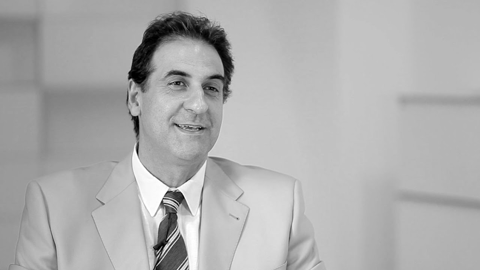
Gabriele Finaldi
Assistant Director of Conservation and Research, 2002-2015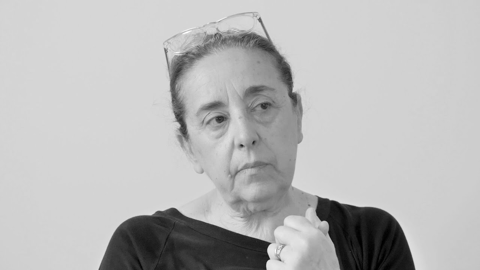
Manuela Mena Marqués
Head of the Department of Conservation of 18th Century Painting and Goya, 1978-2019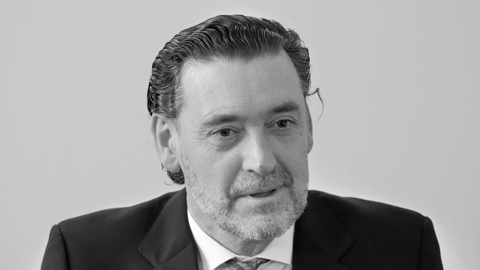
Miguel Zugaza Miranda
Museum Director, 2002-2017
Theme
--
Voces del Prado