
Loading...
Staff Expansion: Successes and Pending Matters
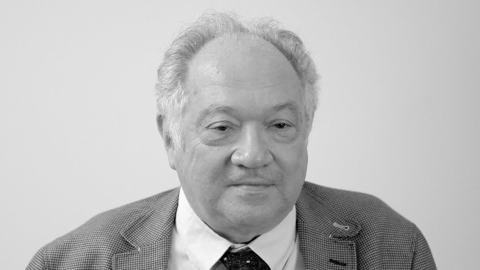
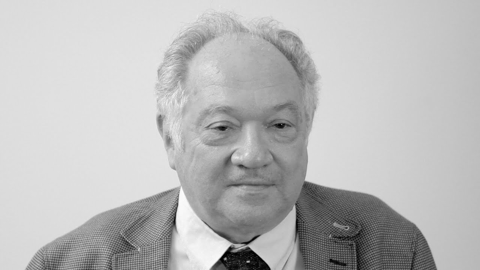
Fernando Checa Cremades, Museum Director, 1996-2001Staff Expansion: Successes and Pending Matters
Fernando Checa Cremades, Museum Director, 1996-2001
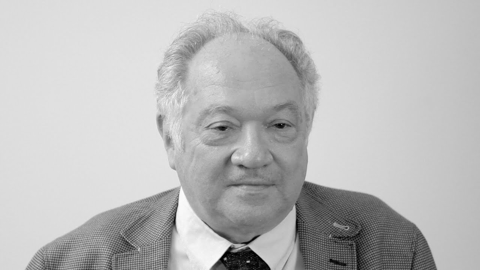
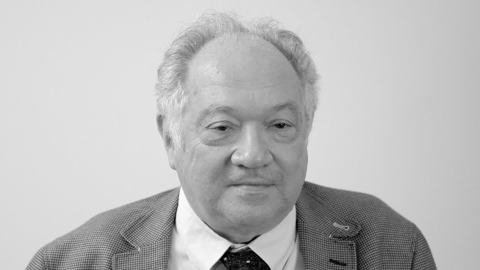
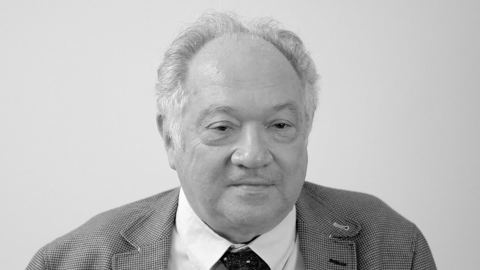
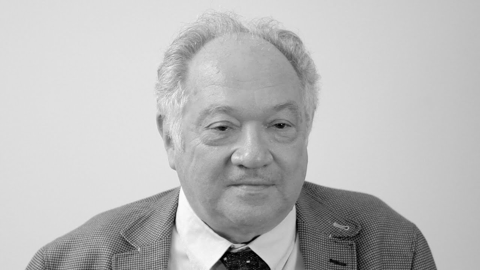
An awareness that all organisational and financial aspects were important already existed, of course. But a few years earlier, the idea really hadn’t sunk in. A predecessor of mine, a very important Director of the Museum - I’m not going to say his name – told a key member of the internal organisation structure at the Museum of the time, María Dolores Muruzabal: “Look, María Dolores, you and I are the ones who run the Museo del Prado”. At that time, maybe around ten people could run the Museo del Prado, because there were fewer things to do and the Museum didn’t really look for new things, because there was little chance of carrying them out. The idea that the Director and the Secretary of the Board of Trustees could run the Museo del Prado singlehandedly would be quite absurd today, but that was the view at the time. A great deal of water has passed under the bridge since the 1970’s and 1980’s. The Museum is a highly complex institution and it really began to take on this guise when I became Director and, above all, immediately afterwards.
One of the first policies implemented was to incorporate new curators within the academic area. And one of the most satisfying things for me after so many years is the fact that the current Director, Miguel Falomir, and the current Assistant Director of Conservation and Research, Andrés Úbeda, joined the Museum at that time, along with others. But you could say that the two most important figures working at the Museum today have been there for twenty years or more now and that they joined at that time.
What we really did during my time there was to propose, commence and manage the architectural refurbishment and expansion of the Museum. But we also began an academic overhaul of the Prado. All that remained was to undertake the administrative reform of the Museum, but this could only be carried out through a change in the law and a change in the Statutes of the Museo del Prado. Real autonomy was achieved in 2003 when I had already left the Museum, and that’s what made it possible to hire a proper press office and educational department.
Director of the Museo del Prado from 1996 to 2001, art historian and museographer, specializing in Baroque painting and especially in collectionism and royal patronage in Spain during the 16th and 17th centuries.
Interview recorded on May 30, 2018
Interview index
11 / 17-
I Was Chosen Because of My Academic Profile -
Francisco Javier Sánchez Cantón: Perhaps the Most Important Director in the Twentieth Century -
Alfonso Pérez Sánchez: A Giant Step Forward -
The Two Great Experiences of My Life -
1996-1998: Refurbishment of the Roof Whilst the Museum Remained Open -
The Parliamentary Pact and the Expansion Project -
The Museum Plan for 1997 -
The New Acquisitions Policy: The Countess of Chinchón by Goya -
The Need for New Acquisitions -
The Restoration of Masterpieces: Titian, Goya, Hieronymus Bosch -
Staff Expansion: Successes and Pending Matters -
Education at the Museum -
Press Vs. Prado -
José Milicua: A Wise Observer -
Gustavo Torner: An Absolutely Exquisite Sensibility -
The Hardest and Most Enriching Challenge -
I Miss My Daily Contact with the Works
- Collective
- Management
- RDF
- RDF
Collective
Management
José María Luzón Nogué
Museum Director, 1994-1996
Francisco Calvo Serraller
Museum Director, 1993-1994
Felipe Garín Llombart
Museum Director, 1991-1993
Gabriele Finaldi
Assistant Director of Conservation and Research, 2002-2015
Manuela Mena Marqués
Head of the Department of Conservation of 18th Century Painting and Goya, 1978-2019
Miguel Zugaza Miranda
Museum Director, 2002-2017
Theme
--
Voces del Prado