
Loading...
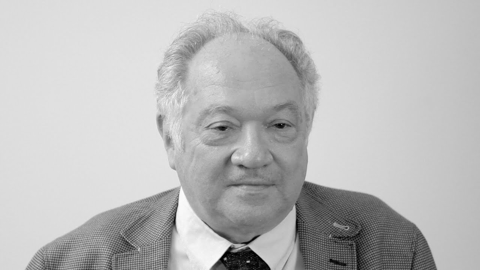
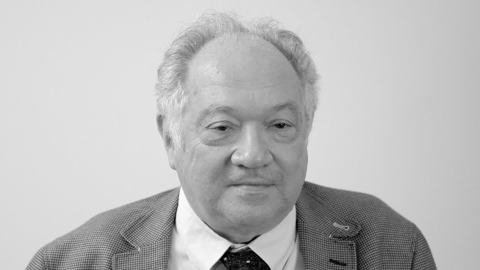
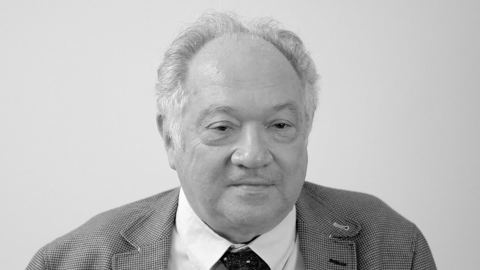
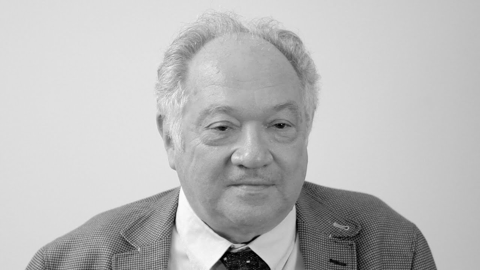
José Milicua: A Wise Observer
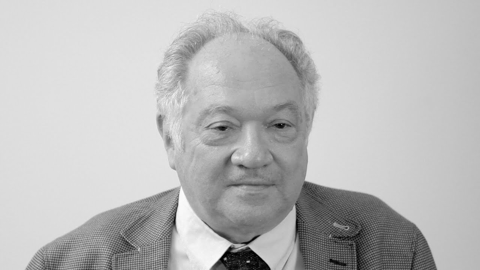
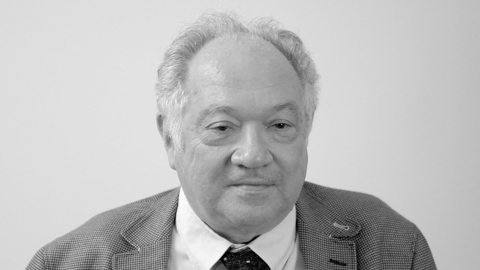
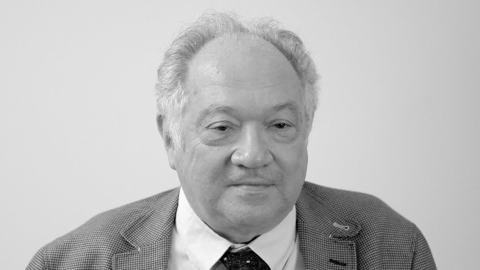
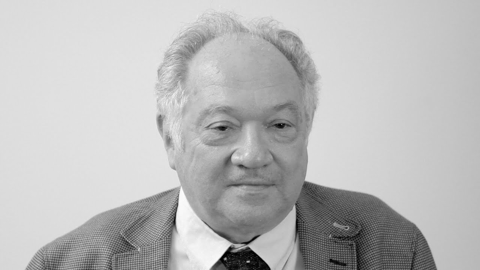
Fernando Checa Cremades, Museum Director, 1996-2001José Milicua: A Wise Observer
Fernando Checa Cremades, Museum Director, 1996-2001
From the point of view of artistic sensibility, there are two individuals I would like to highlight: Gustavo Torner and José Milicua. These two figures taught me how to really see paintings. With Milicua I learned everything: how to see, how to eat, how to take a stroll and how to have fun. He was a great man, now sadly deceased, and a Trustee of the Prado for many, many years. He was there before I was, and he continued after I left, until the day he died.
Milicua was, above all, a great observer. He knew how to explain works of art really well. He helped you to see the small details: a gesture, a colour, a shadow. It was obviously there, but you’d just never realised it before. He was highly intuitive and helped to see the most essential aspect of a picture or sculpture. My first visit to a museum with Milicua wasn’t even in Spain and it wasn’t even an art museum. It was the Acropolis Museum and then the Archaeology Museum in Athens. I was completely fascinated by the way he described Greek sculptures and their folds. I’d met him a couple of times before, at some meetings. But I’d never spoken much to him. But on that trip we were together the whole time. It was a real lesson for me.
We met again at the Museo del Prado. We went to exhibitions and looked at the Museum’s works all the time. And he always had that sense of what is beautiful at a particular moment, in a work, through his observation of the smallest details. It’s what you might call the connoisseur’s eye, which I don’t really believe in, but Milicua certainly had it. He was truly able to appreciate a colour, the contrast of a colour. He’d say, “this couldn’t have been painted by so-and-so, because he wouldn’t have placed that colour alongside”. It seems obvious, but it’s only obvious if it’s pointed out to you. And that’s what Milicua would tell you, with his considerable historical wisdom, which, furthermore, he never boasted about. He was a great reader. During this trip from city to city, from museum to museum, we would chat on the coach and discuss books. It was then that I realised he’d read everything. That man was wise, not only because he had good sight and a great eye, but because he’d read all the literary and academic literature. He was a truly cultivated man, but one who, nevertheless, wrote very little, because he found it hard. His articles were published recently. He didn’t write much, although it was always very good. But there was little of it. It’s a shame. Milicua’s legacy was really more for those of us who had the opportunity to get to know him as the most refined of individuals.
Director of the Museo del Prado from 1996 to 2001, art historian and museographer, specializing in Baroque painting and especially in collectionism and royal patronage in Spain during the 16th and 17th centuries.
Interview recorded on May 30, 2018
Interview index
14 / 17-
I Was Chosen Because of My Academic Profile -
Francisco Javier Sánchez Cantón: Perhaps the Most Important Director in the Twentieth Century -
Alfonso Pérez Sánchez: A Giant Step Forward -
The Two Great Experiences of My Life -
1996-1998: Refurbishment of the Roof Whilst the Museum Remained Open -
The Parliamentary Pact and the Expansion Project -
The Museum Plan for 1997 -
The New Acquisitions Policy: The Countess of Chinchón by Goya -
The Need for New Acquisitions -
The Restoration of Masterpieces: Titian, Goya, Hieronymus Bosch -
Staff Expansion: Successes and Pending Matters -
Education at the Museum -
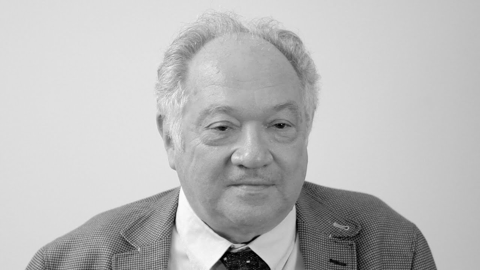
Press Vs. Prado -
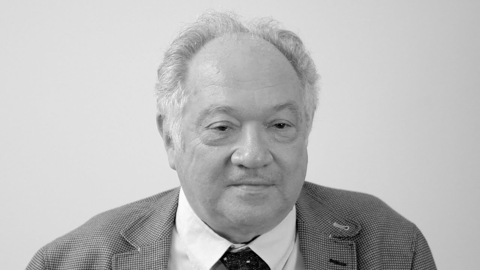
José Milicua: A Wise Observer -
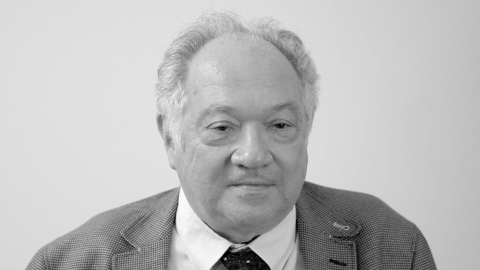
Gustavo Torner: An Absolutely Exquisite Sensibility -
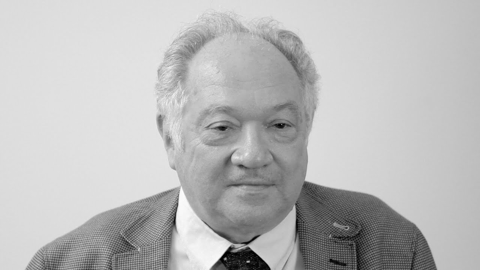
The Hardest and Most Enriching Challenge -
I Miss My Daily Contact with the Works
- Collective
- Management
- RDF
- RDF
Collective
Management
José María Luzón Nogué
Museum Director, 1994-1996
Francisco Calvo Serraller
Museum Director, 1993-1994
Felipe Garín Llombart
Museum Director, 1991-1993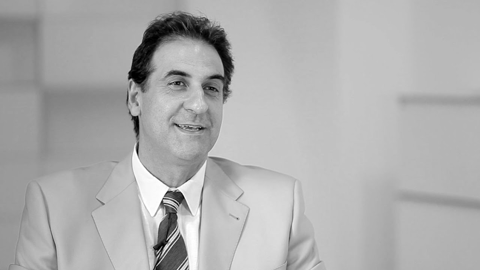
Gabriele Finaldi
Assistant Director of Conservation and Research, 2002-2015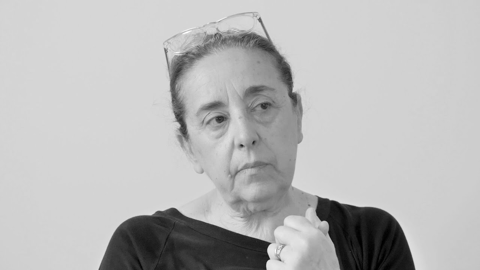
Manuela Mena Marqués
Head of the Department of Conservation of 18th Century Painting and Goya, 1978-2019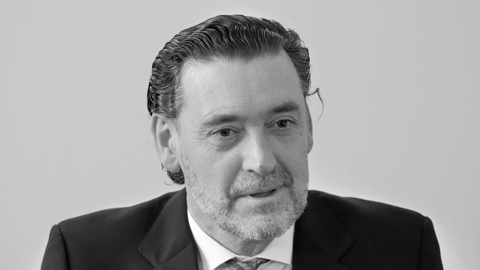
Miguel Zugaza Miranda
Museum Director, 2002-2017
Theme
--
Voces del Prado