
Loading...
The Parliamentary Pact and the Expansion Project
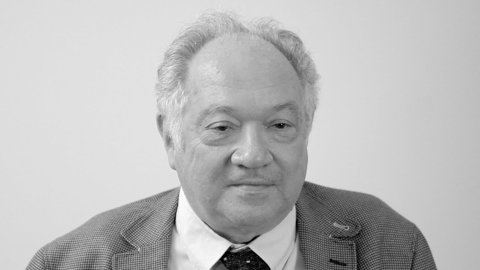
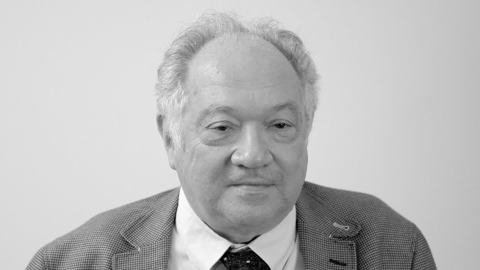
Fernando Checa Cremades, Museum Director, 1996-2001The Parliamentary Pact and the Expansion Project
Fernando Checa Cremades, Museum Director, 1996-2001
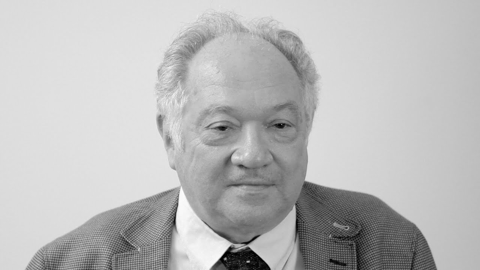
I was very lucky, but it had nothing to do with my profile or my activities. It was what was known as a parliamentary pact. In fact, it was a non-binding motion that was signed by the two main parties at the time, the Socialist Party (PSOE) and the Conservatives (Partido Popular). They agreed to remove the question of the Museum’s expansion and affairs relating to the Museo del Prado from the political battlefield all together. This parliamentary agreement had a number of collateral effects. For example, the places where the Museum’s expansion was going to be carried out were indicated, and one of these was the Cloister of Los Jerónimos. In fact, the Church took the State and Parliament to court, because the latter had no authority to decide what to do with something that wasn’t theirs. And in this respect, the Church was actually right.
The inauguration of the academic year at the Royal Academies was staged at a different Academy each year and the opening ceremony was always presided over by the King and Queen. That year it took place at the Fine Arts Academy of San Fernando, in which respect, instead of delivering the usual address according to protocol, Luis Fernández Ordóñez, other people and myself decided it would be a good idea to give a brief speech of around twenty minutes, one in which the Chairman of the Board of Trustees might expound upon the Museum’s problems: the situation regarding the expansion project; the essential problem, which was the Church; and a call to the Church that might be considered appropriate, clear and non-controversial, so that they might adopt a more conciliatory negotiation position. The Church received the gesture in an extremely elegant manner and the talks commenced just a few weeks later. I can’t say there weren’t a few problems, but the negotiations were always cordial, and, in the end, we reached an agreement.
This meant that the second phase of the expansion project could go ahead. During the first phase, the more than one thousand projects that had been presented did not really meet the Museum’s requirements because of the indefinite nature of the programme proposed. So after one of the Jury’s meetings, it was decided that, bearing in mind the Museum’s needs, it might be best to leave the first phase non-adjudicated. We knew it was somewhat controversial, as it was for the press, and this is where the parliamentary pact came in. The press criticised it, of course, but none of the political parties intervened or said “What’s this? How awful! How wonderful! How awful!” They didn’t say anything. This latest saga for the Museum began for me in the year 1995, a year before I joined the Museum, and it still isn’t over. I expect this period will end on the day Norman Foster’s project opens at the former Army Museum. Let’s hope it’s as soon as possible.
Director of the Museo del Prado from 1996 to 2001, art historian and museographer, specializing in Baroque painting and especially in collectionism and royal patronage in Spain during the 16th and 17th centuries.
Interview recorded on May 30, 2018
Interview index
6 / 17-
I Was Chosen Because of My Academic Profile -
Francisco Javier Sánchez Cantón: Perhaps the Most Important Director in the Twentieth Century -
Alfonso Pérez Sánchez: A Giant Step Forward -
The Two Great Experiences of My Life -
1996-1998: Refurbishment of the Roof Whilst the Museum Remained Open -
The Parliamentary Pact and the Expansion Project -
The Museum Plan for 1997 -
The New Acquisitions Policy: The Countess of Chinchón by Goya -
The Need for New Acquisitions -
The Restoration of Masterpieces: Titian, Goya, Hieronymus Bosch -
Staff Expansion: Successes and Pending Matters -
Education at the Museum -
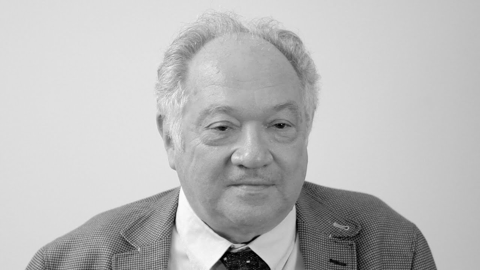
Press Vs. Prado -
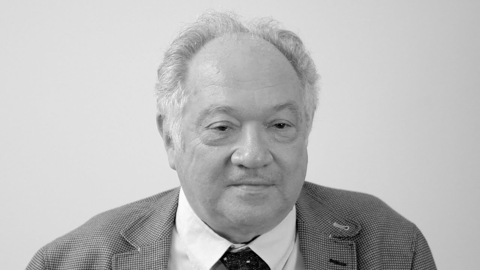
José Milicua: A Wise Observer -
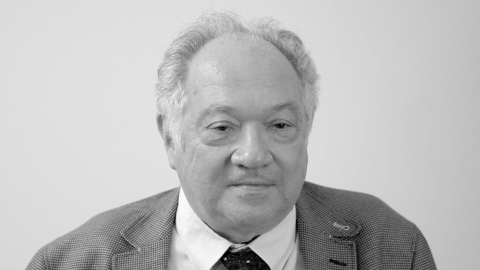
Gustavo Torner: An Absolutely Exquisite Sensibility -
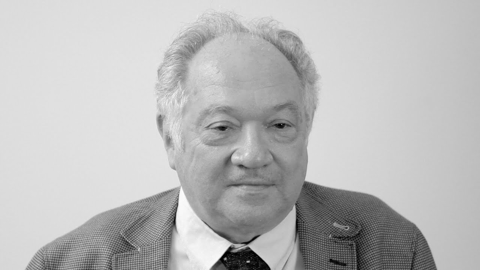
The Hardest and Most Enriching Challenge -
I Miss My Daily Contact with the Works
- Included in themes
- Expansion work at the Museum
- Collective
- Management
- Chronology
- 1990-2000
- RDF
- RDF
Collective
Management
José María Luzón Nogué
Museum Director, 1994-1996
Francisco Calvo Serraller
Museum Director, 1993-1994
Felipe Garín Llombart
Museum Director, 1991-1993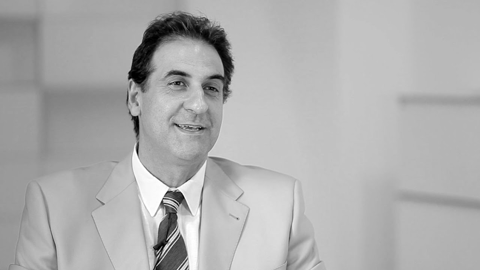
Gabriele Finaldi
Assistant Director of Conservation and Research, 2002-2015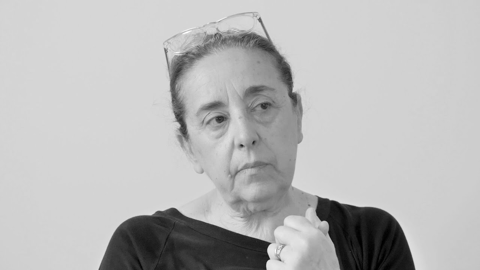
Manuela Mena Marqués
Head of the Department of Conservation of 18th Century Painting and Goya, 1978-2019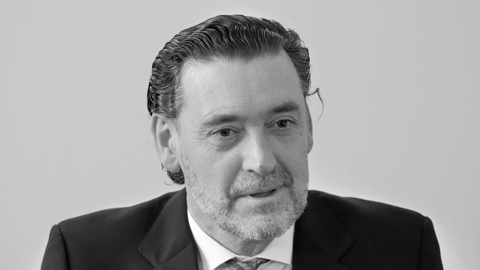
Miguel Zugaza Miranda
Museum Director, 2002-2017
Theme
--
Voces del Prado