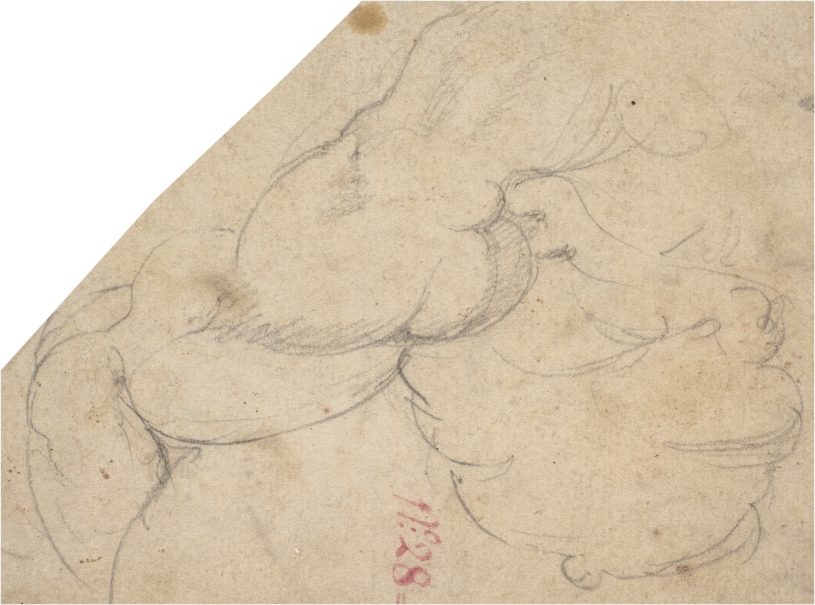
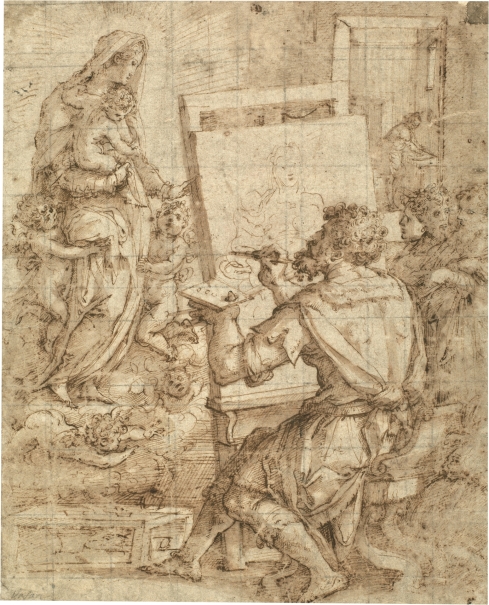
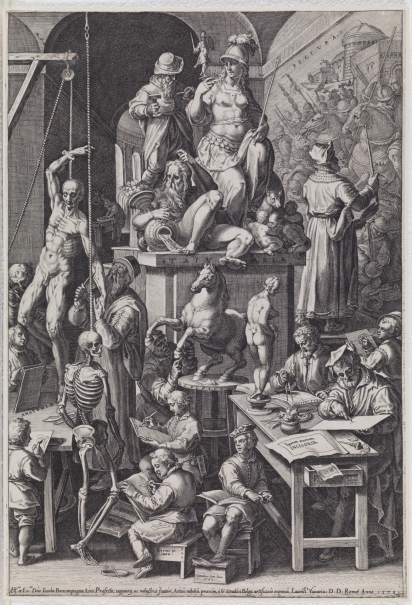
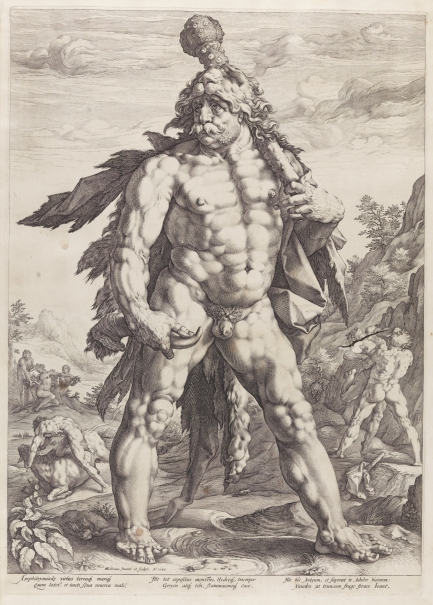
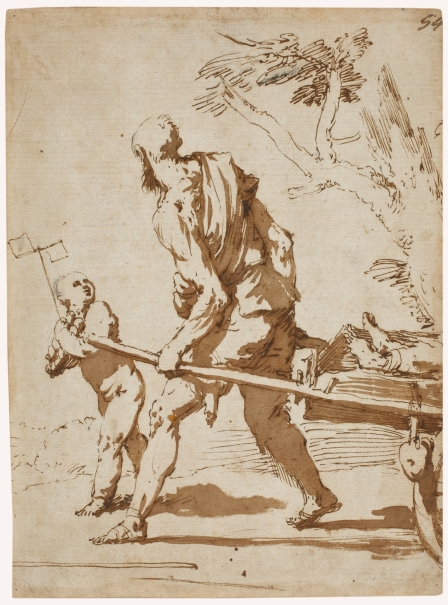
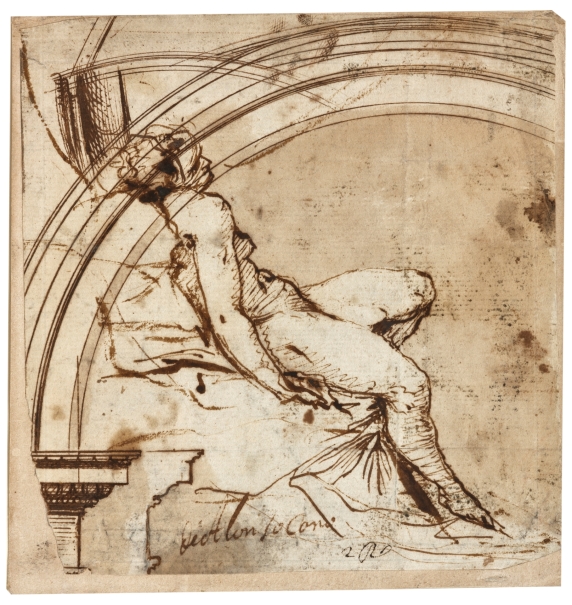
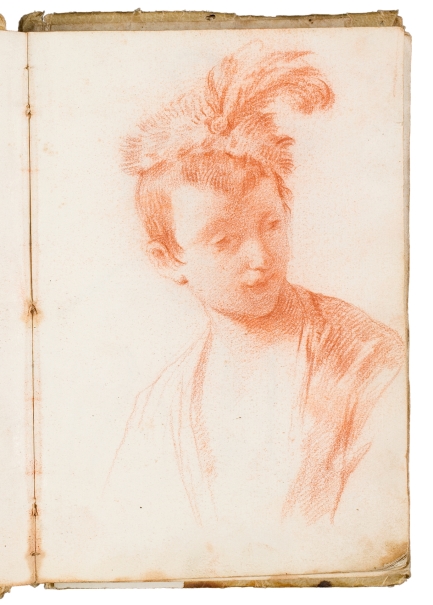
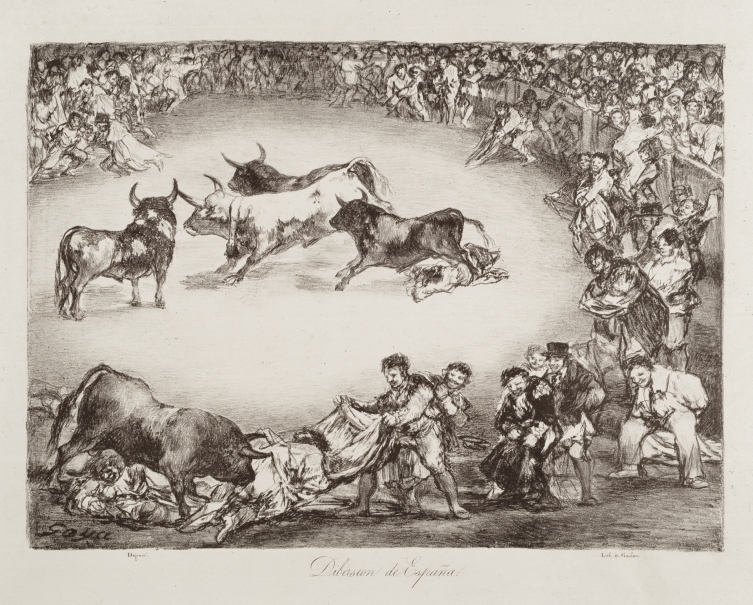
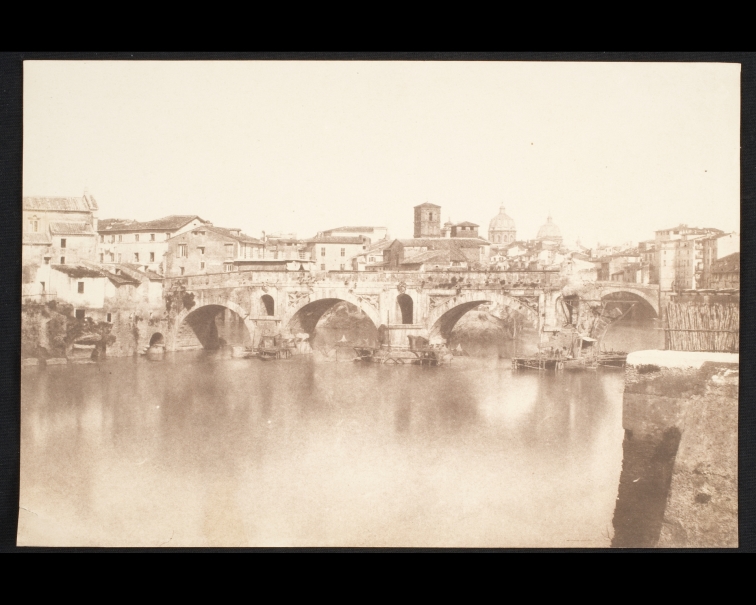
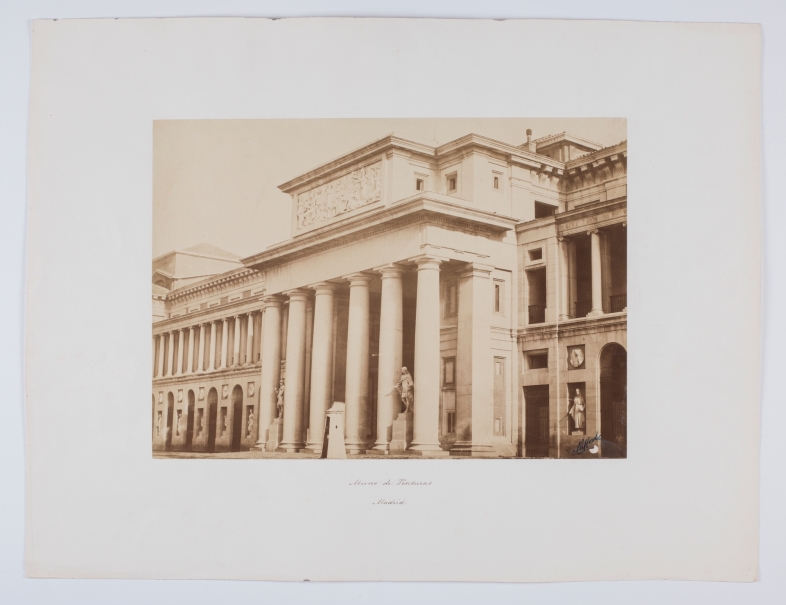
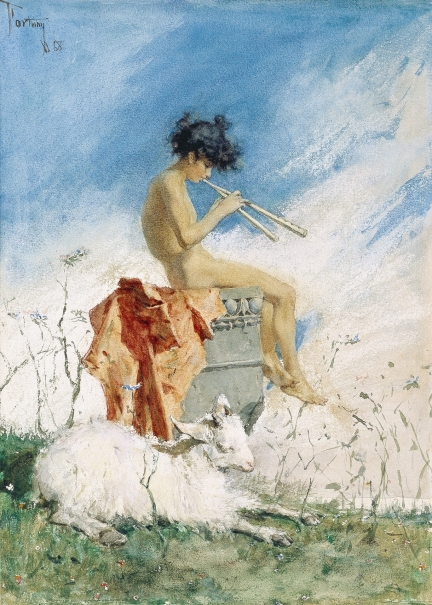
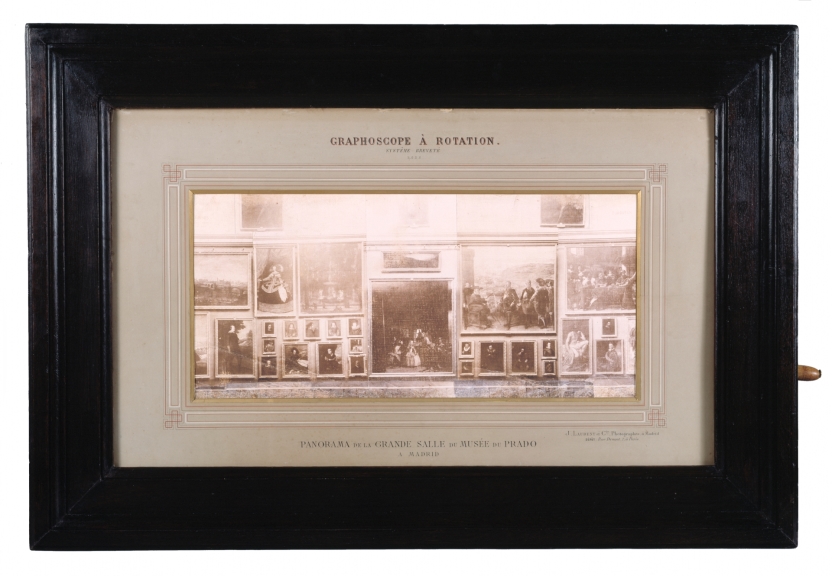
The Museo del Prado’s collection of drawings, prints and photographs is one of the most important in Spain for its quality. Comprising more than nine thousand drawings, nearly six thousand prints, and approximately ten thousand photographs, the diversity of its origins is a good reflection of how drawings were collected in Spain throughout the 19th and 20th centuries.
Several groups stand out: Spanish drawings, Italian drawings, the collection of Goya—with drawings, prints and letters—, reproductive prints after paintings, documentary photographs of the Museum’s works of art, and the group of photographs from the mid-19th-century Roman school.
Unlike painting and sculpture, there are hardly any drawings that come from the collections of the kings of Spain. Among those with this origin, one should mention the Plan and Elevation of the Museum by Juan de Villanueva, which, due to its emblematic nature, hung in the kings’ private sitting room. A notable group of early Spanish drawings from the 17th and 18th centuries—among which those by Alonso Cano and Francisco Bayeu stand out—has traditionally been thought to come from the workshop of the king’s painters; however, it originated in an academy set up by Vicente López in the Palace, which, upon its closure in 1839, passed to the Museo del Prado.
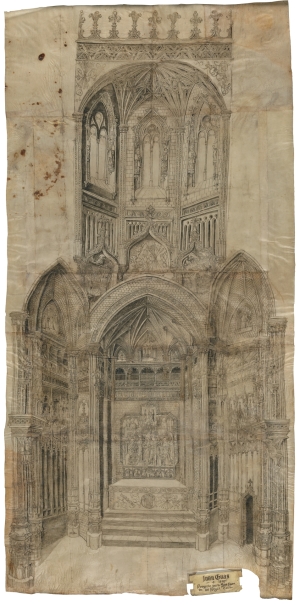
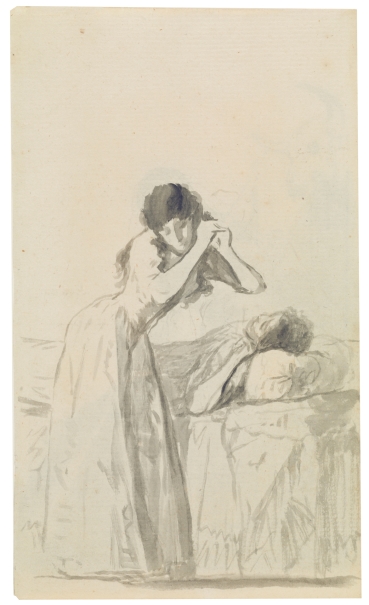
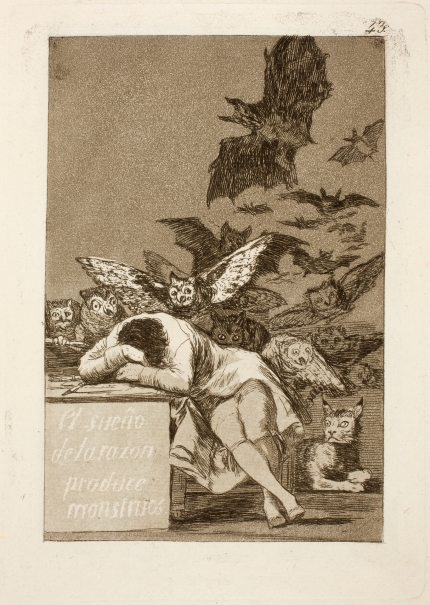
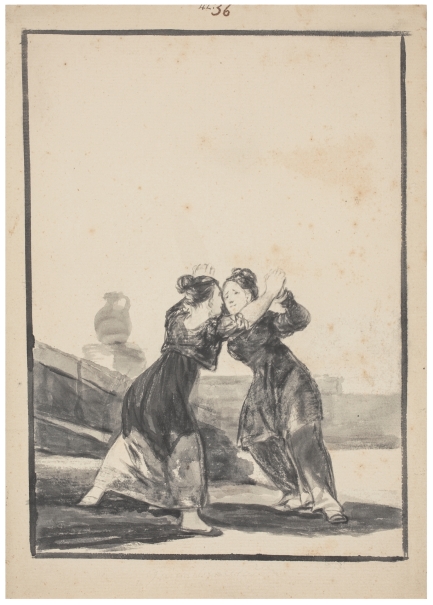
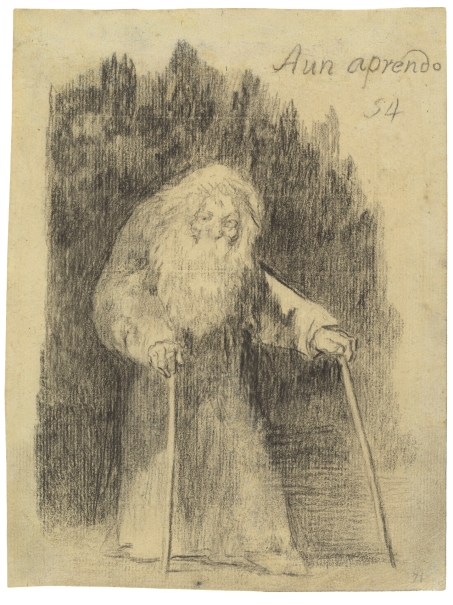
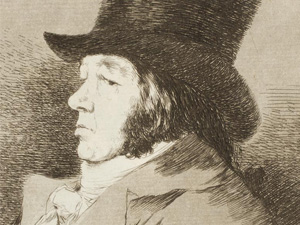
When the Museo de la Trinidad was incorporated into the Prado in 1872, it brought, in addition to an extraordinary drawing by Juan Guas for San Juan de los Reyes, one of the most outstanding groups in our current collection: an album with 186 drawings by Goya from his private albums, from the Sanlúcar Album to the Bordeaux albums. In 1886, the collection of Goya drawings was expanded with 262 preparatory drawings for his prints, from the collection of Valentín Carderera. With these two groups—and with later acquisitions of Goya’s drawings, prints and letters that continue to this day—the Prado is an essential point of reference for the study of this artist.
In 1931, the aristocrat Pedro Fernández Durán bequeathed his extraordinary art collection upon his death. It included more than two thousand drawings, most of them Spanish and Italian from the 16th to the 19th centuries—with unique pieces such as a drawing by Michelangelo preparatory for the frescoes of the Last Judgement in the Sistine Chapel—offering a representative overview of drawing techniques and functions.
The merger of the Museum of Modern Art and the Museo del Prado in 1971 led to the incorporation into the collection of an important and excellent group of 19th-century Spanish drawings and prints, among which those by Carlos de Haes and Eduardo Rosales deserve special mention.
Alongside various bequests and acquisitions made throughout the 20th century and the present one, particular interest lies in the recent additions of the collection of the bibliophile José María Cervelló, specialised mainly in 18th-century reproductive prints after paintings and sculpture, and the collection of drawings, prints and photographs of the Madrazo family, which constitutes an extraordinary example of the use of these media in the artistic creation process.