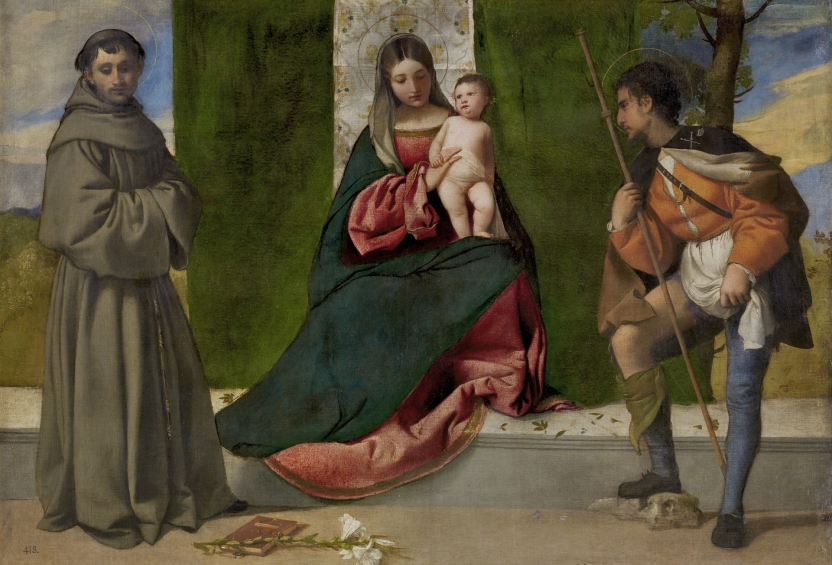
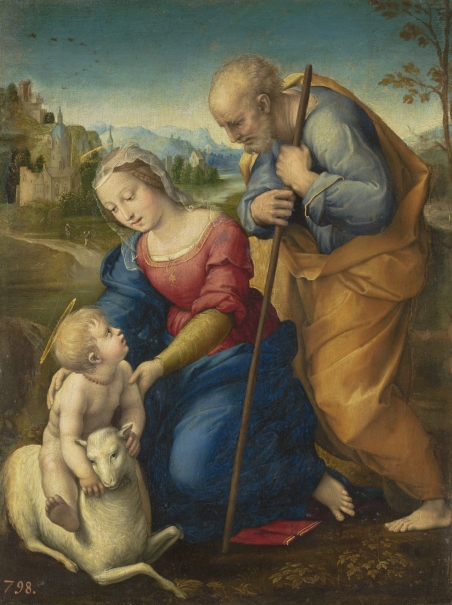
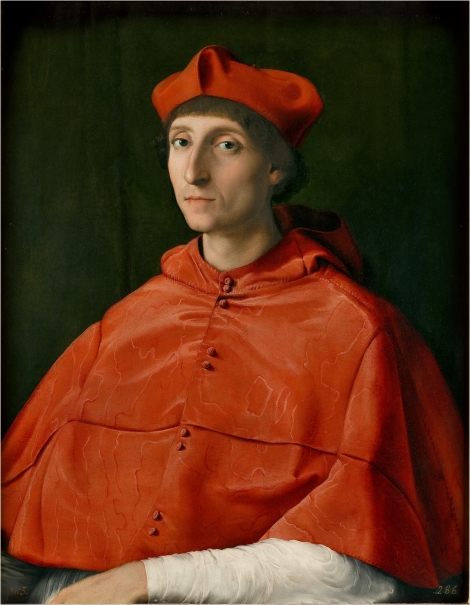
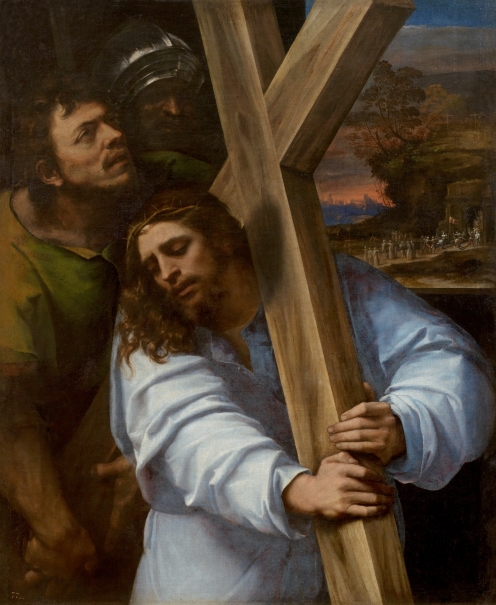
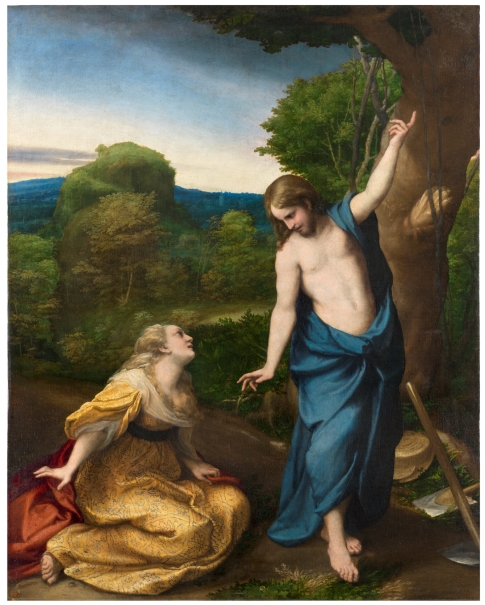
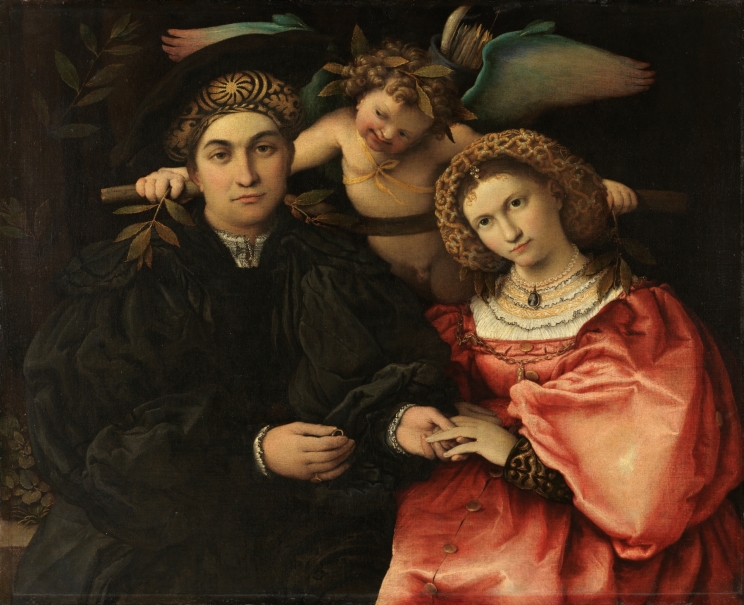
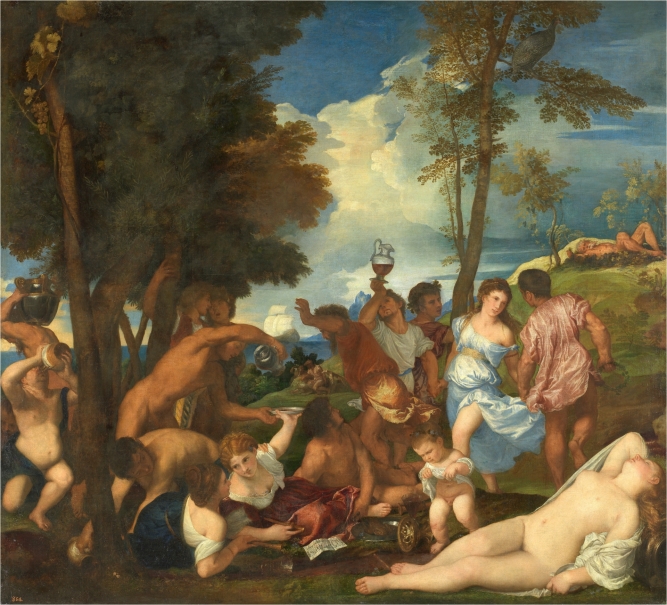
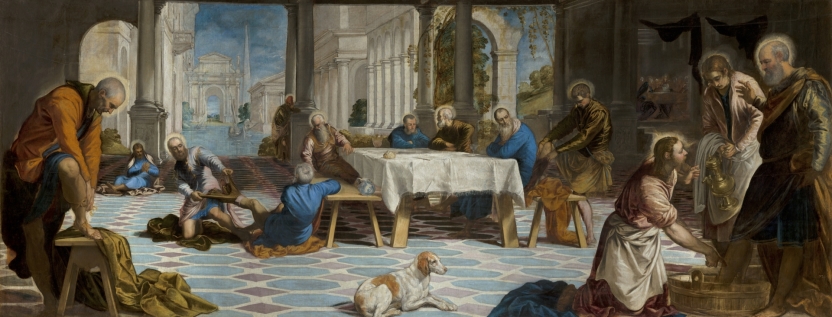
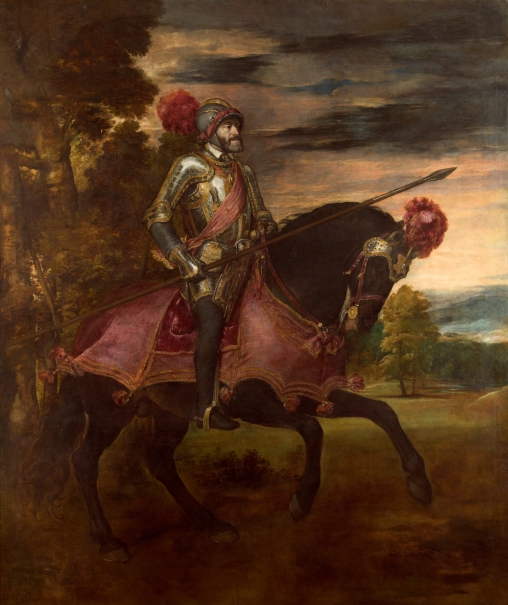
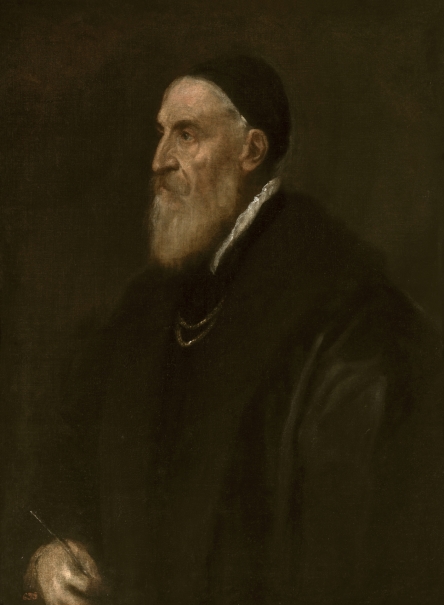
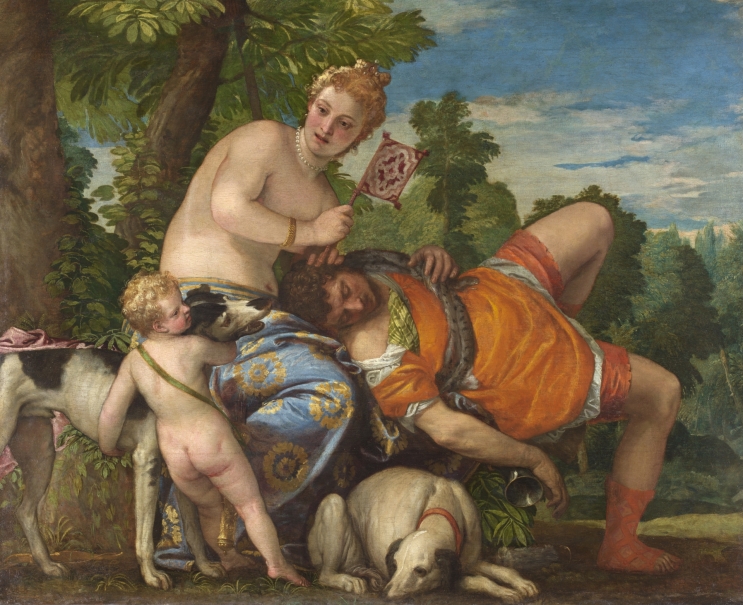
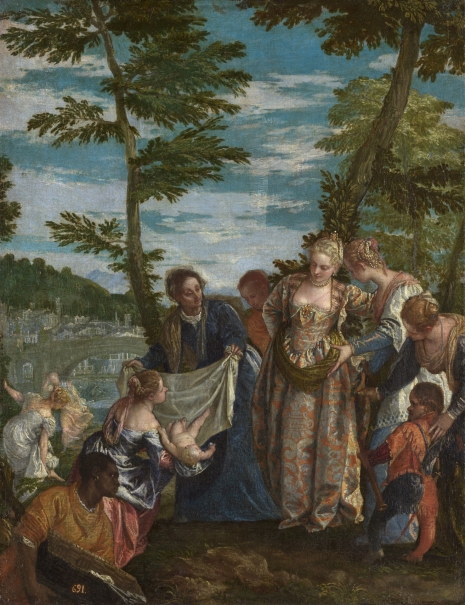
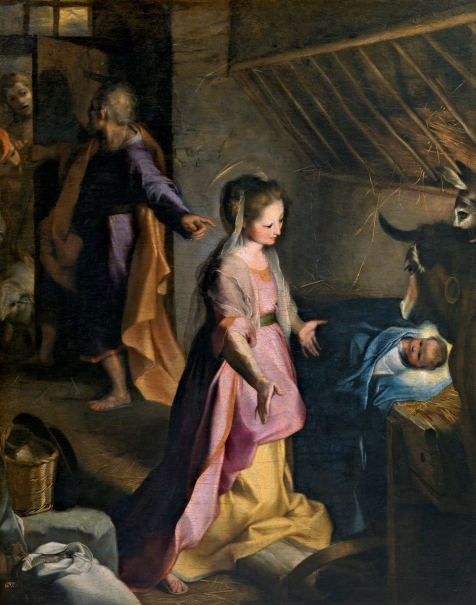
Like the rest of the Museo del Prado’s painting collections, the Italian and French collections are shaped by their origin in the former Spanish royal collection. From it come their most valuable pieces, and this origin also explains their main gaps—such as the scarcity of paintings prior to 1500, which the Spanish monarchs were not especially inclined to collect. The Prado nonetheless displays works by important artists from before that date: Fra Angelico, Antonello da Messina, Botticelli and Mantegna, although only The Dormition of the Virgin by the latter comes from the royal collection. Titian is one of the key figures around whom the Prado’s painting collection is structured for many reasons. Beyond the number and quality of the works preserved here, this artist defined a model of relationship with Charles V and Philip II that was later followed by successive monarchs. Moreover, his painting encompasses all the genres that would later be collected: the representative or allegorical portrait, the nude, and his celebrated Poesie, with which the painter sought to rival poets. The Venetian collection is completed with works by its most outstanding artists: Veronese, Tintoretto and Bassano. Many other 16th-century artists are also represented in the galleries, such as Raphael and Federico Barocci, whose works entered the royal collection during the reign of Philip III.
The 17th-century collection likewise offers a range of the most important Italian and French artists of the period, from Caravaggio to Luca Giordano, including Carracci, Guercino, Guido Reni, Claude Lorrain, Poussin and Georges de La Tour, to name just a few. Even so, the most decisive figure in shaping the character of the collection was not an artist but a monarch: Philip IV, who substantially expanded the royal collection through purchases, diplomatic gifts and commissions for extensive series to decorate palaces such as the Buen Retiro, built anew during his reign. For this palace he commissioned in Rome and Naples a considerable number of masterpieces, most of which can now be admired in the Museum’s galleries. Paintings of Roman history, landscapes, mythologies and flowers—of identical formats and sizes—give the Prado’s rooms a distinctive personality, different from that of other museums, and the commissions imposed conditions on their protagonists that radically altered the course of European Baroque painting. This coherence is also reinforced by the fact that many of the French artists represented at the Prado developed their careers in Italy, preferably in Rome, a privileged artistic meeting point in Europe at the time.
In addition to the paintings from the royal collection, since its opening in 1819 the Prado has acquired works with the dual intention of consolidating the best-represented groups and obtaining outstanding examples of those that had received less attention. An example is the 2012 acquisition of the panel attributed to Colart de Laon, The Agony in the Garden with the Donor Louis I of Orléans, painted between 1405 and 1408. The following year the Museum acquired The Agony in the Garden by the Lombard painter Giulio Cesare Procaccini.
A perfect complement to the galleries is a visit to the Casón del Buen Retiro, which houses the ceiling by the Neapolitan Luca Giordano, who worked in Madrid in the service of Charles II between 1692 and 1702. Painted in fresco around 1697, it depicts the Apotheosis of the Spanish Monarchy.