The Museo del Prado’s itineraries invite visitors to see the museum in a different light by offering a novel and unusual but well-grounded vision of our collections, one that highlights themes and subjects which tend to go unnoticed.
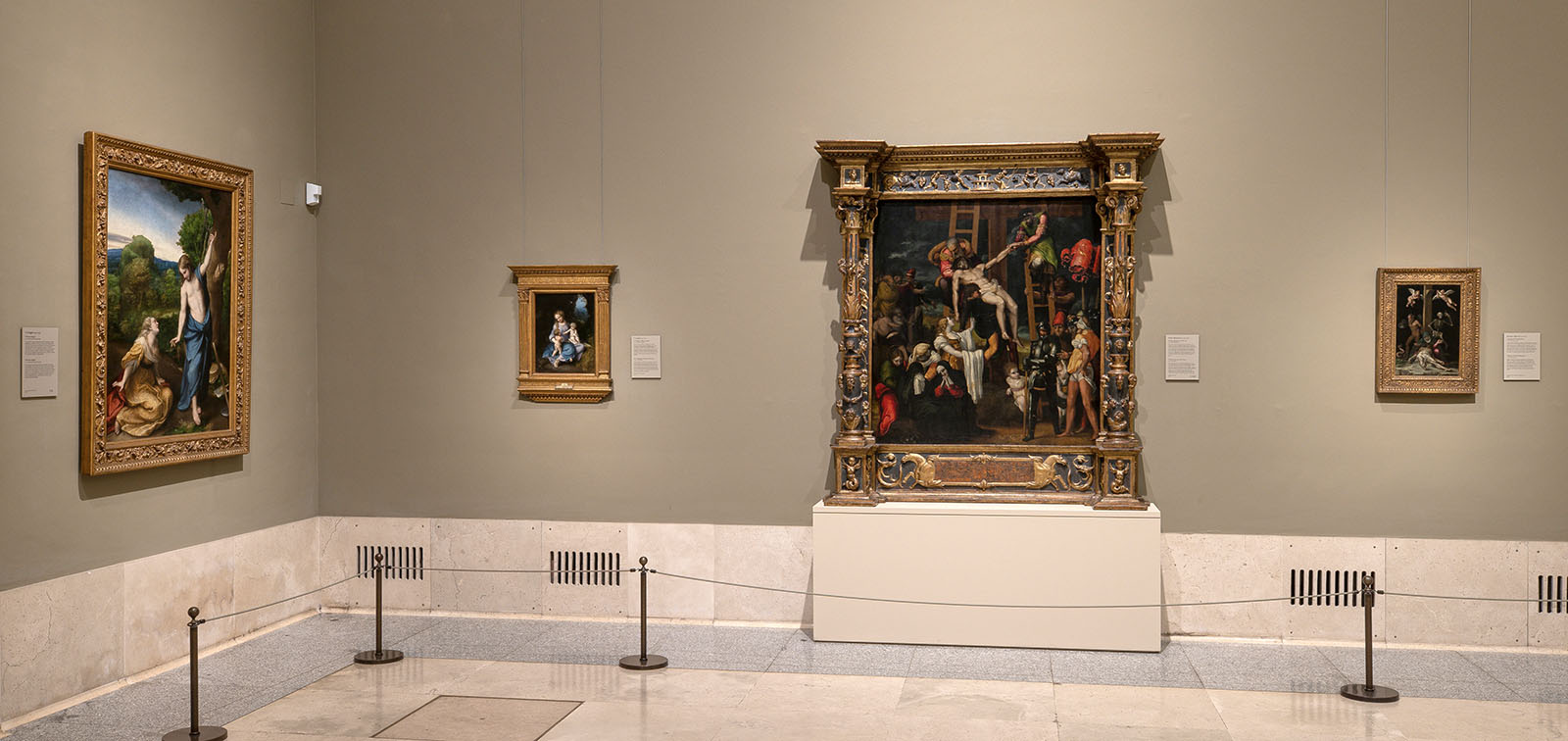
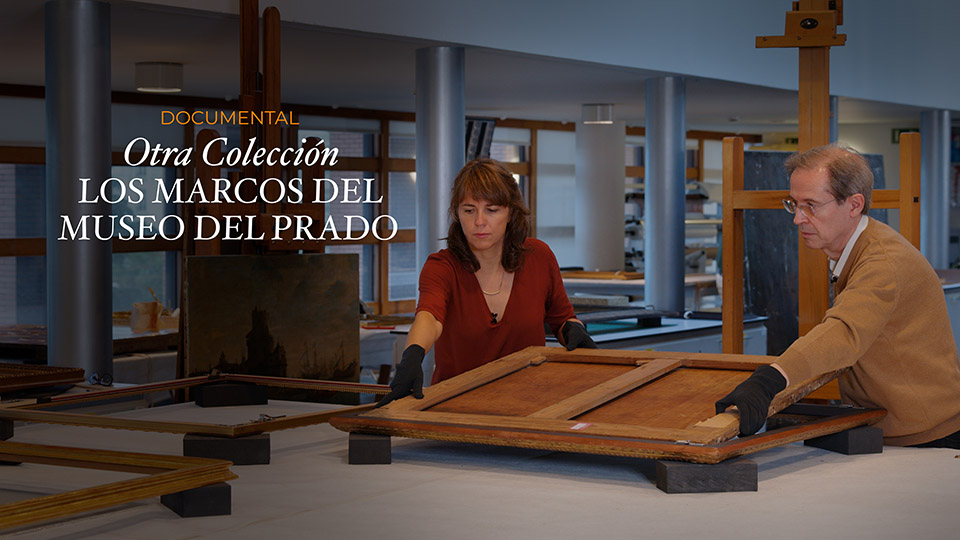
And that is precisely what we find in Another Collection: The Frames of the Museo Nacional del Prado, a remarkable tour itinerary curated by Gemma García Torres, restorer and head of the Prado’s frame collection, which illustrates the importance of the frame as an artistic object in its own right, offering a fresh perspective that will teach visitors to appreciate all elements of a work of art.
The Museo del Prado’s collection of frames is quite large and boasts a variety of techniques and art styles. It consists of approximately 8,000 pieces that span the history of art from the thirteenth to the twentieth century. Its genesis is bound up in the history of the museum’s art collections, primarily the works from the royal collection with which the institution was founded, but also subsequent bequests, gifts and purchases.
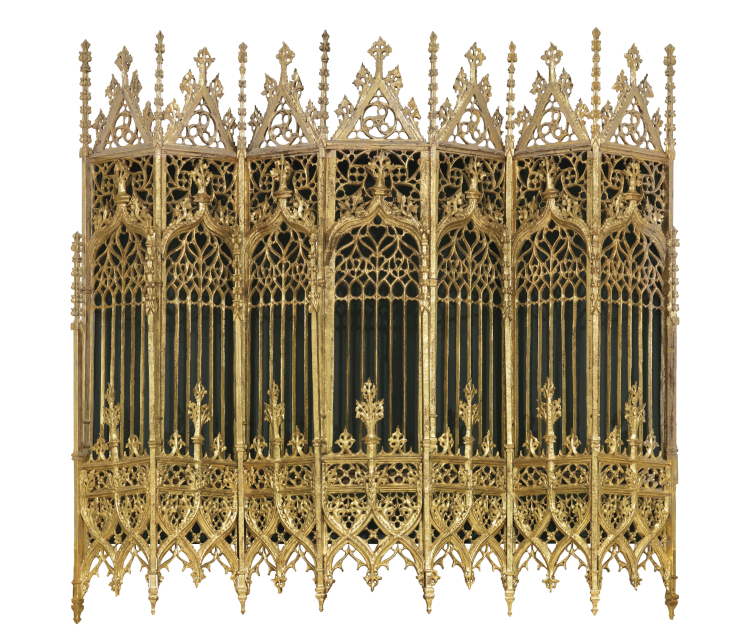
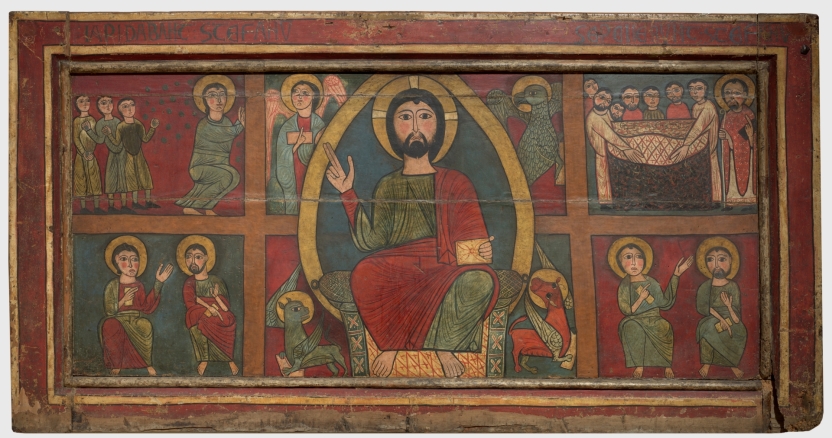
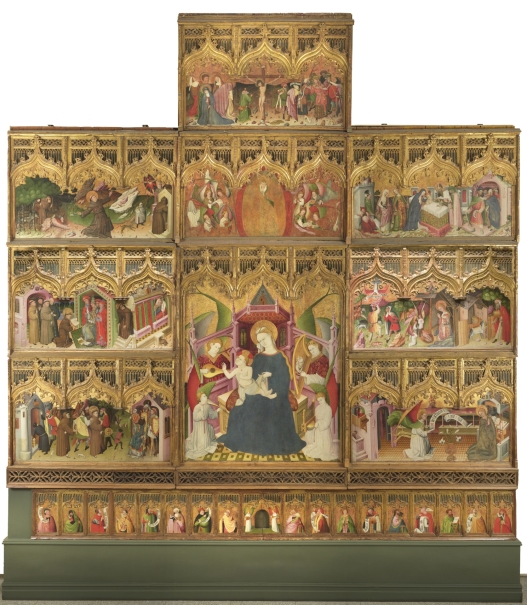
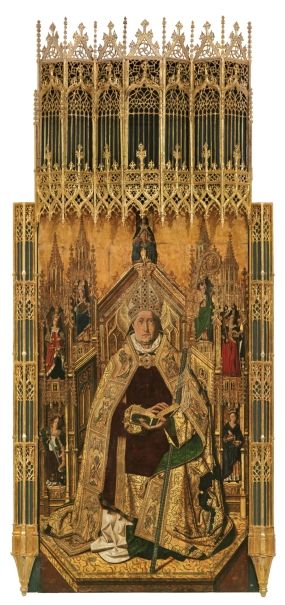
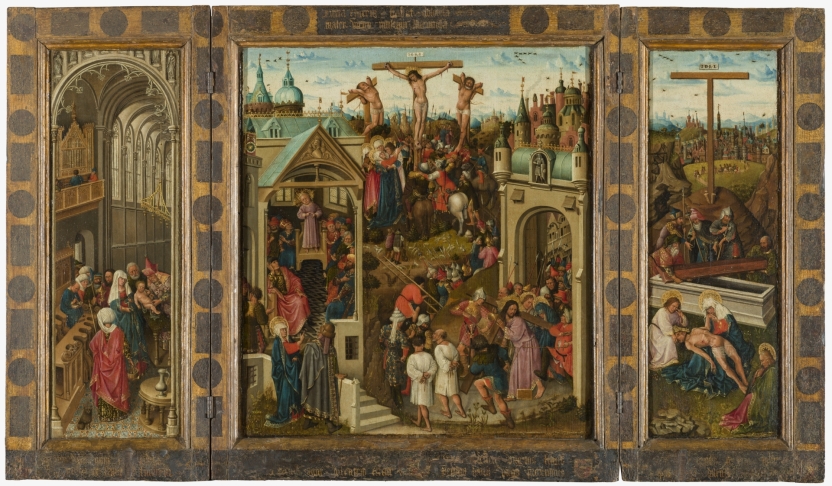
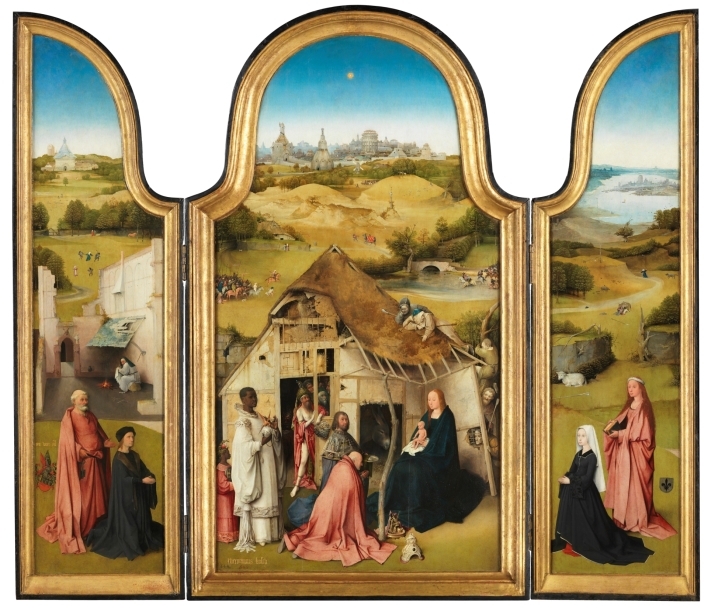
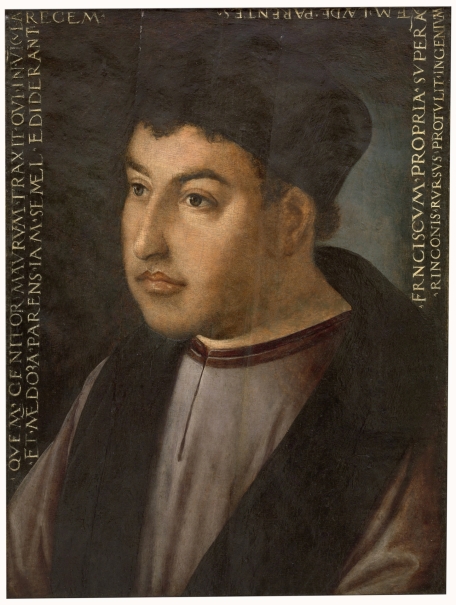
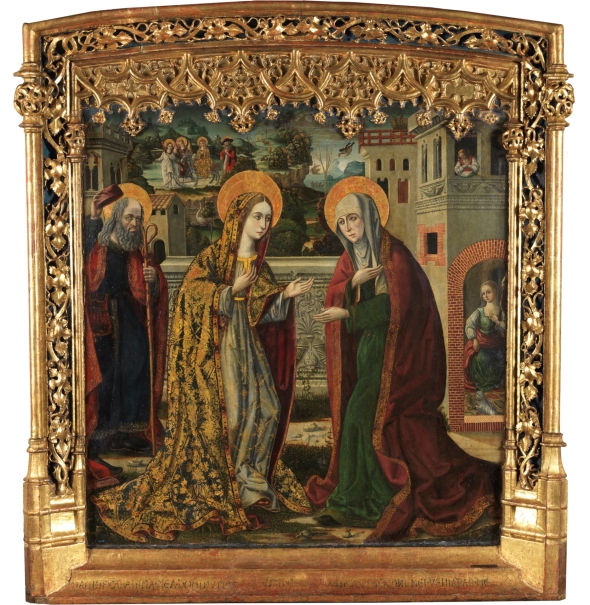
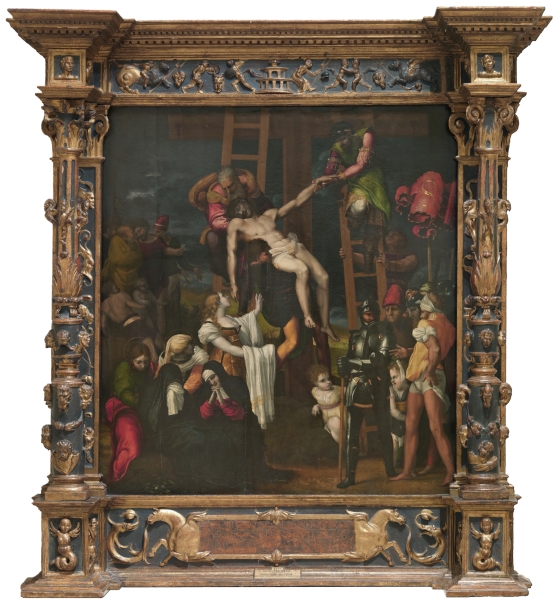
The twenty-nine selected pieces form a chronological survey that begins in the medieval era, when frames were fixed and inseparable from the works they housed; continues into the sixteenth century, when they gained physical independence from paintings and became prized objects in their own right; and moves on to the splendour of the Baroque, the neoclassical period when the royal collections were serially unified and, finally, the diverse materials and formats of the nineteenth and twentieth centuries.
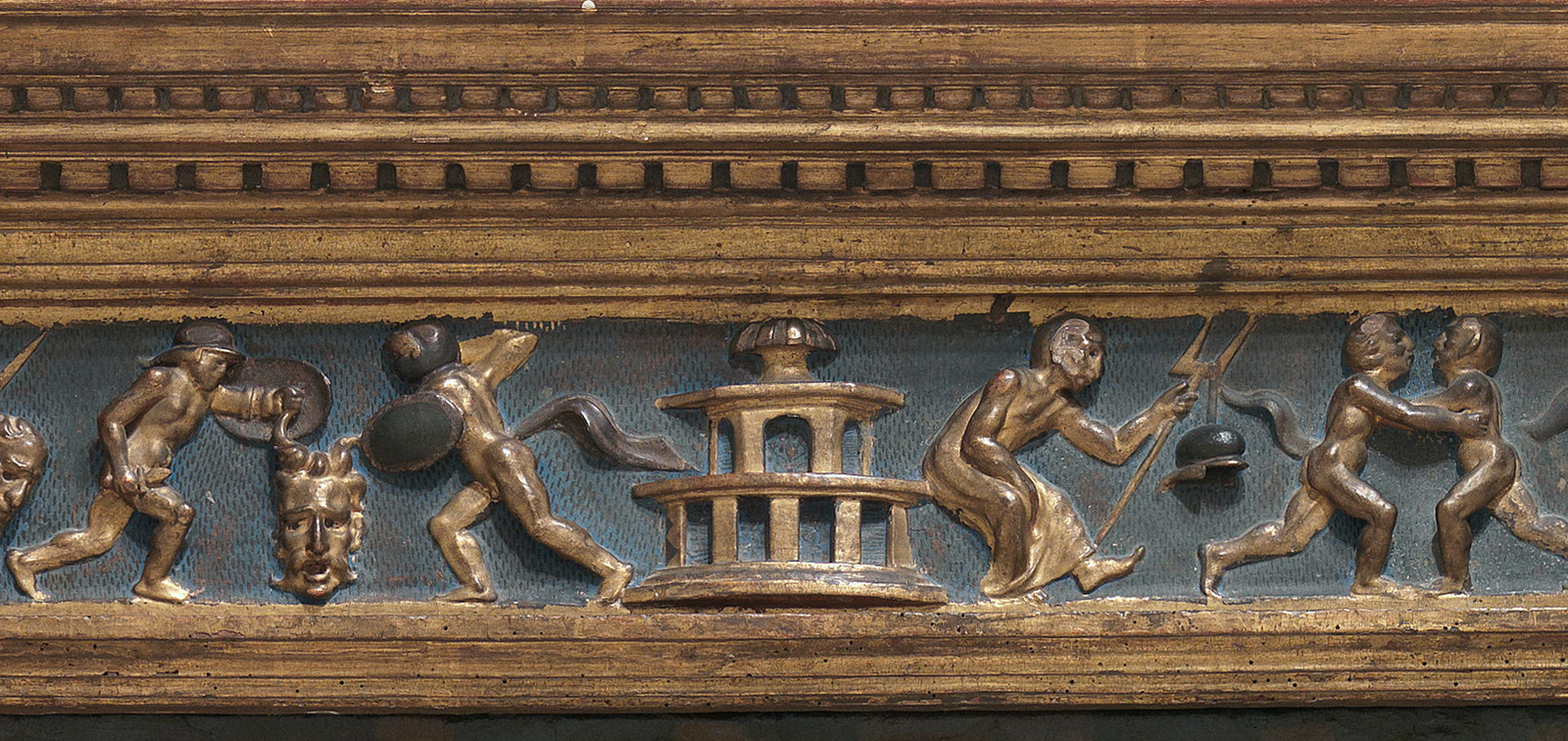
A frame has its own historical and artistic value, though we must never forget that it is tied to and forms an integral part of the artwork it houses. Therefore, all of its properties must be assessed in order to understand how the two are related. The first and most important is the frame’s structural and protective function, essential to the conservation of the painting within. Aesthetic value is closely linked to technique, with which a frame adds volume, colour and light to the work. We must also consider its decorative programme, which usually echoes the style of its accompanying painting and, in some cases, may tie in with the picture’s theme. All these factors provide a more comprehensive and enriching vision of the work, where the frame becomes a channel of communication that silently draws us into the world created by the artist.