
Loading...
Adam and Eve by Dürer. A wonderful experience
George Bisacca, Restorer, 1985-What's onAdam and Eve by Dürer. A wonderful experience
George Bisacca, Restorer, 1985-What's on
The Adam and Eve treatment was a wonderful experience. That was also done under the auspice of the Getty Panel Painting Initiative. They paid for the work and we had constantly observers, or some assistants, arriving from other countries to watch José de la Fuente and I work.
The thing that was so great about working on that, especially as a teaching tool, was that the two pictures had quite a different history from a certain point. The Eve panel still retains its original surface on the back. In fact, it’s painted on the back and has a kind of speckled panel as if it’s imitating porphyry or some kind of stone. Instead, the Adam reverse was completely planed down —the panel was thinned to about less than half of its original thickness—, and a very heavy cradling system was applied to the back, which then blocked and cause about 60 splits in the panel. So, it had a completely different history than the Eve.
Of course, we started first on the Eve because it was a simpler treatment, and we could learn more about it as we went along. After we did all this very complicated work on the Adam, by removing the cradle on the back, rejoining each of the splits, changing the curvature … We put in 381 pieces of wood panel V-shaped pieces that went down to almost touch the paint film from the reverse. Incredible dangerous and difficult to execute. And when we finished the whole thing, we had to make a secondary kind of bastidor, a strainer, to support it, with a spring mechanism and a very complicated thing. But we were amazed to see that after we completed it, the curve that it just naturally assumed by us putting together all this pieces, came out to be exactly the same as the Eve. So, when they got framed together, it looked like nothing has ever happened to them. That was really quite satisfying to work on.
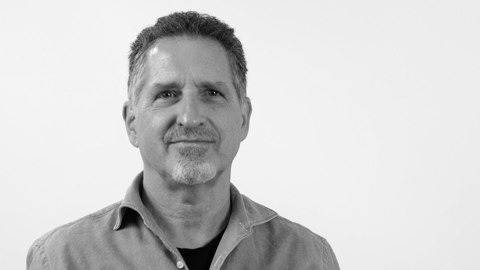
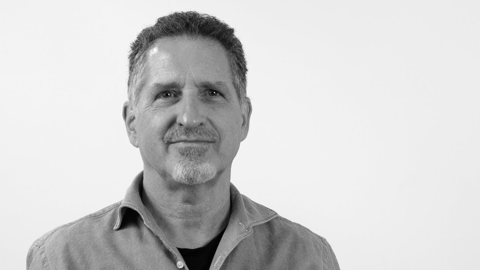
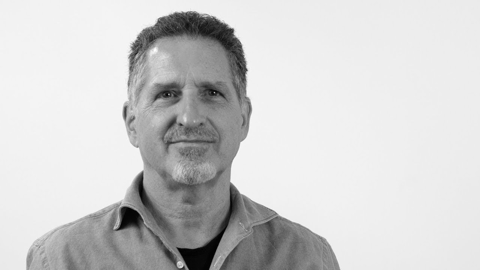
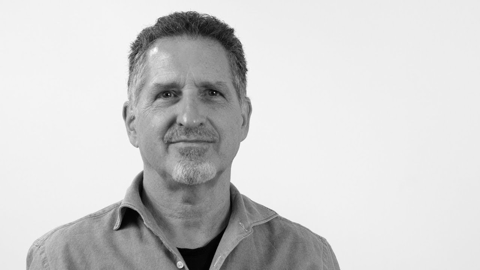
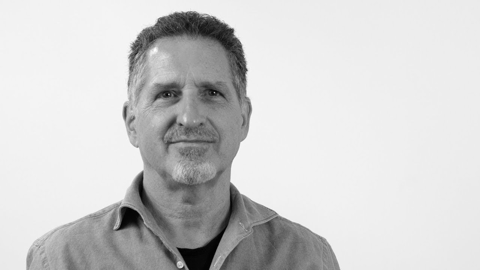
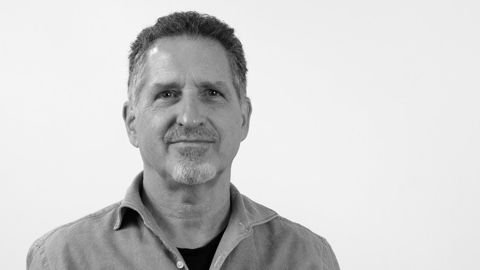
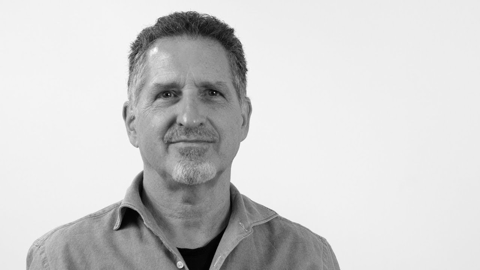
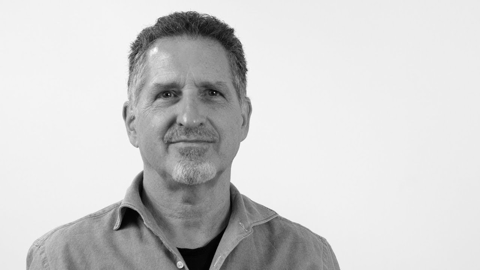
Conservator Emeritus at the Metropolitan Museum in New York, specialized in panel paintings. José de la Fuente, the Prado's specialist in this field, trained with him. Since his first contact with the Museo del Prado in the 1980s under the guidance of John Brealey, he has worked with the Museum on restoration of panel paintings and, among others, on the panels of The Descent from the Cross by van der Weyden (1991-1992), The Three Graces by Rubens (1997-1998), the sketches of The Triumph of the Eucharist by Rubens (2013-2014) and Adam and Eve by Dürer (2010).
Interview recorded on October 07, 2020
Interview index
10 / 18-
1985. From the Metropolitan to the Prado -
The specialization of panel supports restoration -
Florence: the trip that changed my life -
John Brealey’s call -
1990. Restoration of The Descent from the Cross, by van der Weyden at the Prado’s restoration department -
José de la Fuente: colleague and friend -
The Descent from the Cross, by Rogier van der Weyden -
The Adoration of the Shepherds by Mengs. An unsatisfying restoration -
A valuable initiative. The Getty Panels Painting -
Adam and Eve by Dürer. A wonderful experience -
Rubens and The Three Graces -
Modelli of The Triumph of the Eucharist, by Rubens. One of the most complex works -
The Transfiguration of Our Lord, by Penni. The work dictates what it needs -
Restoring masterpieces is terrifying -
John Brealey and the restoration of Las Meninas -
Enrique Quintana’s know how -
Miguel Zugaza. The great changes -
The key. To look at more and more paintings
- Collective
- Restoration
- Chronology
- 2010-2020
- RDF
- RDF
Collective
Restoration
María Teresa Dávila Álvarez
Restorer, 1982-2013
Rafael Alonso Alonso
Restorer, 1978-2016
Rocío Dávila Álvarez
Restorer, 1974-2015
José Manso Gómez
Textile and Panel Painting Conservator, 1953-1992
Theme
--
Voces del Prado