
Loading...
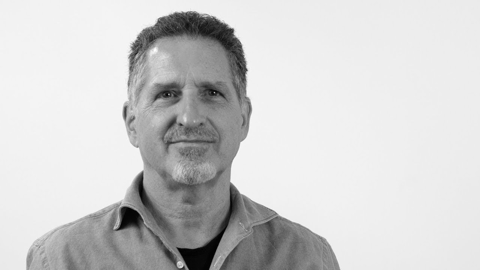
Florence: the trip that changed my life
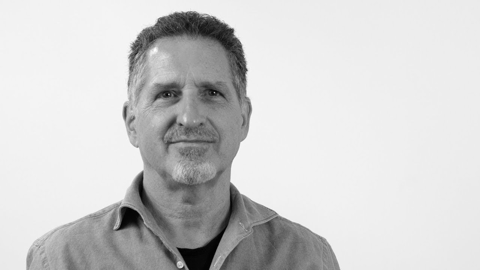
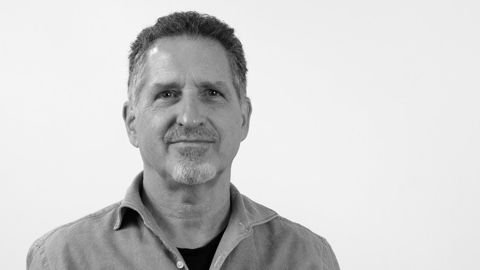
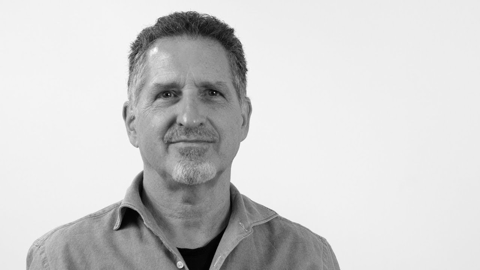
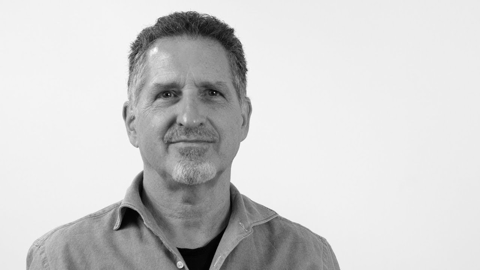
George Bisacca, Restorer, 1985-What's onFlorence: the trip that changed my life
George Bisacca, Restorer, 1985-What's on
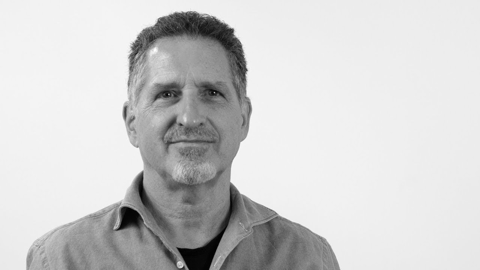
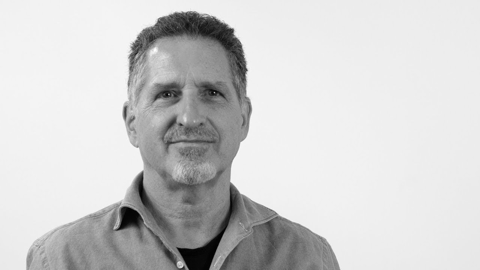
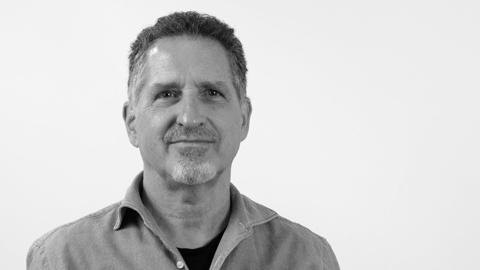
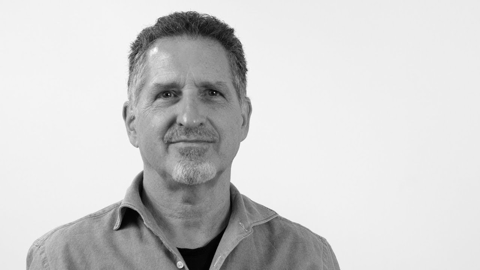
My own introduction to this specialization, this field … it’s a very strange kind of way that I got there. I was an English literature major in university and curiously enough I was just taking Italian as a foreign language. So, I decided to do my third year of university in Florence. Once I was in Florence I got so captivated by the city, and the art that was there, and it took over my life in a lot of ways. I went back after a year to the States, and I finished school, and then I announced to my family that I was not going to go into my father’s legal practice. I was not going to go to law school and so on. I was going to move back to Florence. I had no idea what I was going to do when I got there, but I just knew I had to go back to Florence. And so I did, and in the early time I was there, I apprenticed with a woodcarver. I had seen these shops and I introduced myself into one, and I was taking on as an apprentice. I did lots of woodcarving of Renaissance frames and this kind of things. I didn’t like sometimes how they were being gilded, with gold leaves, so I apprenticed with a gilder also. So, I was doing these two things. At the same time, I had no money so I had to become also a tour guide. Because of that, I had to memorize a lot of art history.
At a certain point I felt it was not enough for me, this manual skills, arts and crafts ... I wanted to combine that in some way with art historical knowledge and so I thought restoration would be a nice solution. I was incredible naïve American, and I asked my professors at the university where was the best place to train in restoration, and they told me about the Opificio. But they said they take almost no foreigners; and they said, “In the Palazzo Pitti there is a very high-level studio”. I said, “Ok, fine, I’ll go there”. So, I just went over there with some of my wood carving under my arm and I just rang the doorbell and I just introduced myself and said I wanted to train. They thought I was completely crazy. They said, “No, there’s no chance”.
There was at that time working there Andrea Rothe, who later went to the Getty for the last part of his career, but he was working there. Andrea spoke to me, and while I was talking to him and he was saying that there was no chance, I asked a question about a panel painting I saw there and I could see this treatment on the reverse of it. And then he said to me, “If you were smart you would specialize in this type of work, because you already have woodworking skills, and there are very few people that do this work. We have the two best experts in Italy that come here every day in the afternoon after working at the Opificio, but I doubt that they will ever want to teach you, because they don’t want to do that kind of thing”. He continued, “But they’re not here today, but if you come back Monday, we can talk to them”. So, I came back. They were right away in the room when I went in and I said, “I’m here to see Andrea Rothe”. And someone told me, “No, he’s in a meeting now but talk to them”. So, I said to them, “Well, Andrea said that maybe I could train with you, maybe I could work with you”. They looked at each other like … and they said, “Well, if it’s okay with Andrea, I guess it’s okay with us”. Just then they called me into the other room and there was Andrea coming. He said to me, “So, did you talk to them? How did it go?”. And I said, “Well it’s fine with them”. And he said, “If it’s fine with them it’s fine with me”. So, I started the next day. That’s how I somehow found a way in there.
That studio was unbelievable great. I mean, we worked on things from the entire national territory. Many altarpieces that had been the first time in 400 years off the altar, that we would bring them in the studio and work on them for months and months. Then we would bring them back to the town where they were painted for, and put on the altar; we would install them back on the altar. It was a fantastic training that you could never get now.
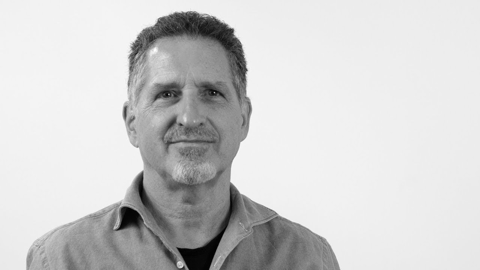
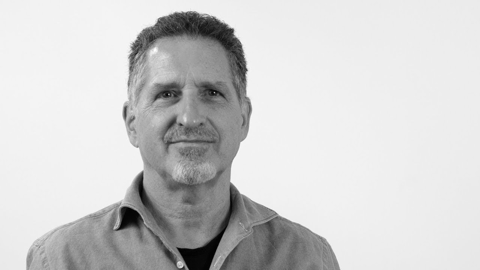
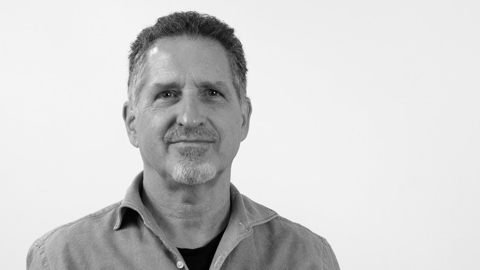
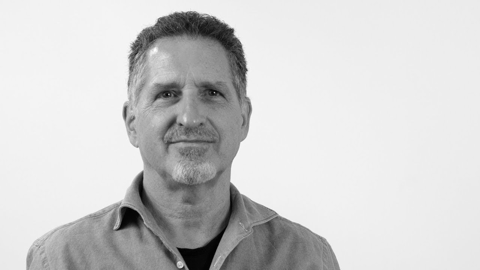
Conservator Emeritus at the Metropolitan Museum in New York, specialized in panel paintings. José de la Fuente, the Prado's specialist in this field, trained with him. Since his first contact with the Museo del Prado in the 1980s under the guidance of John Brealey, he has worked with the Museum on restoration of panel paintings and, among others, on the panels of The Descent from the Cross by van der Weyden (1991-1992), The Three Graces by Rubens (1997-1998), the sketches of The Triumph of the Eucharist by Rubens (2013-2014) and Adam and Eve by Dürer (2010).
Interview recorded on October 07, 2020
Interview index
3 / 18-
1985. From the Metropolitan to the Prado -
The specialization of panel supports restoration -
Florence: the trip that changed my life -
John Brealey’s call -
1990. Restoration of The Descent from the Cross, by van der Weyden at the Prado’s restoration department -
José de la Fuente: colleague and friend -
The Descent from the Cross, by Rogier van der Weyden -
The Adoration of the Shepherds by Mengs. An unsatisfying restoration -
A valuable initiative. The Getty Panels Painting -
Adam and Eve by Dürer. A wonderful experience -
Rubens and The Three Graces -
Modelli of The Triumph of the Eucharist, by Rubens. One of the most complex works -
The Transfiguration of Our Lord, by Penni. The work dictates what it needs -
Restoring masterpieces is terrifying -
John Brealey and the restoration of Las Meninas -
Enrique Quintana’s know how -
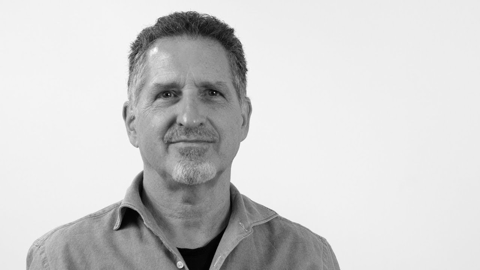
Miguel Zugaza. The great changes -
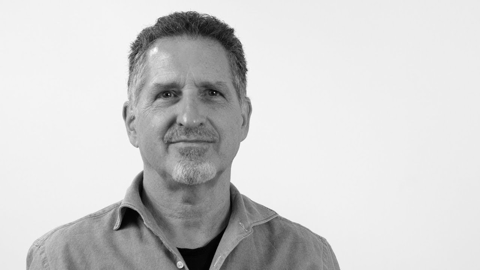
The key. To look at more and more paintings
- Collective
- Restoration
- RDF
- RDF
Collective
Restoration
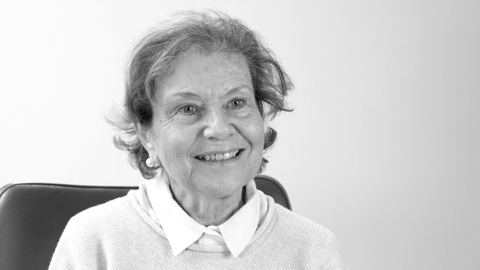
María Teresa Dávila Álvarez
Restorer, 1982-2013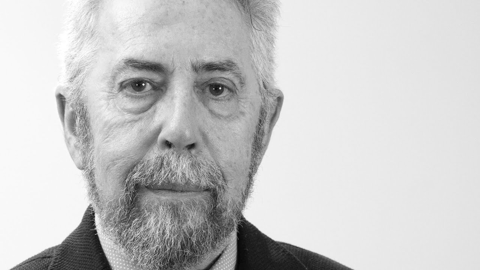
Rafael Alonso Alonso
Restorer, 1978-2016
Rocío Dávila Álvarez
Restorer, 1974-2015
José Manso Gómez
Textile and Panel Painting Conservator, 1953-1992
Theme
--
Voces del Prado