
Loading...
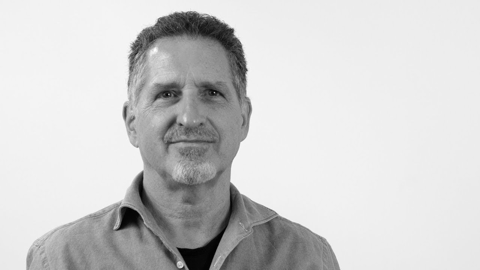
Modelli of The Triumph of the Eucharist, by Rubens. One of the most complex works
George Bisacca, Restorer, 1985-What's onModelli of The Triumph of the Eucharist, by Rubens. One of the most complex works
George Bisacca, Restorer, 1985-What's on
The bocetos (modelli) for The Triumph of the Eucharist, for many years that I was coming here, there was always talk about working on those pictures, because they had so many problems, so many cracks and so. As you know, they all had these additions around the perimeter that were not original to Rubens. They were added, I think, in the 18th century. The idea was always: Do we leave those additions, because they have a certain historical importance, or do we remove them and only deal with the Rubens pictures? No one really took the decision to go ahead with the treatment until these recent ones.
José and I agreed that no matter what the solution was, we had to remove the additions, because they were causing so much of the damage. We ended up doing it in a way that allows an option. We took the frames that it had, the kind of Meng’s-designed frames, and the additions, and we joined the additions together so that the frame and the additions are now in storage and just the Rubens panels themselves have new frames on them. But if, at some later time, they want to have some kind of didactic exhibition about the history of those pictures, they can always take the paintings and set them back into the frame’s additions, so that it can be exhibited temporarily even in that situation, or take them out. So, we will left both options available. But those were very difficult pictures to work on. I think José will say also that that was some of the most difficult ones that we had done, because the original wood was thinned down to about, in some cases, 3 or 4 millimeters thick. They were incredible fragile and had certain curvatures, so designing structures that could support them and still allow them to expand and contract with humidity changes and so on … this was a particularly difficult group to work on.
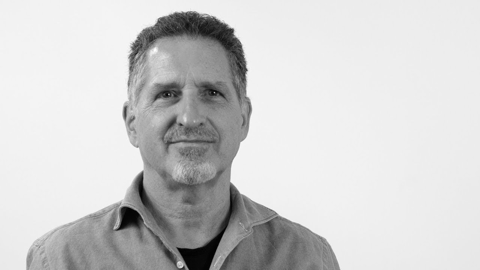
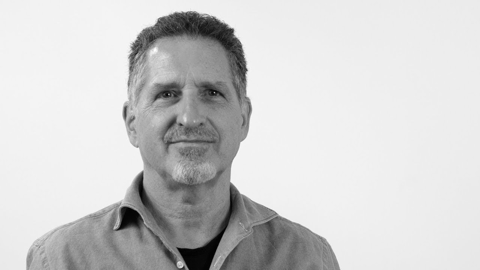
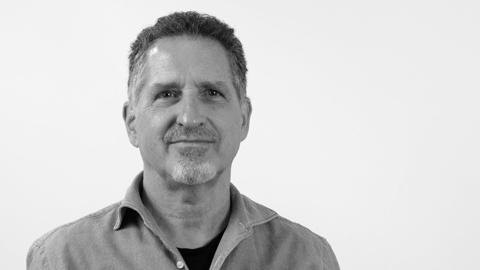
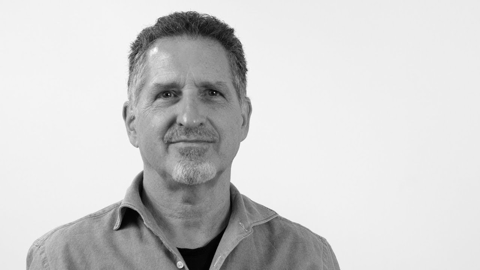
Conservator Emeritus at the Metropolitan Museum in New York, specialized in panel paintings. José de la Fuente, the Prado's specialist in this field, trained with him. Since his first contact with the Museo del Prado in the 1980s under the guidance of John Brealey, he has worked with the Museum on restoration of panel paintings and, among others, on the panels of The Descent from the Cross by van der Weyden (1991-1992), The Three Graces by Rubens (1997-1998), the sketches of The Triumph of the Eucharist by Rubens (2013-2014) and Adam and Eve by Dürer (2010).
Interview recorded on October 07, 2020
Interview index
12 / 18-
1985. From the Metropolitan to the Prado -
The specialization of panel supports restoration -
Florence: the trip that changed my life -
John Brealey’s call -
1990. Restoration of The Descent from the Cross, by van der Weyden at the Prado’s restoration department -
José de la Fuente: colleague and friend -
The Descent from the Cross, by Rogier van der Weyden -
The Adoration of the Shepherds by Mengs. An unsatisfying restoration -
A valuable initiative. The Getty Panels Painting -
Adam and Eve by Dürer. A wonderful experience -
Rubens and The Three Graces -
Modelli of The Triumph of the Eucharist, by Rubens. One of the most complex works -
The Transfiguration of Our Lord, by Penni. The work dictates what it needs -
Restoring masterpieces is terrifying -
John Brealey and the restoration of Las Meninas -
Enrique Quintana’s know how -
Miguel Zugaza. The great changes -
The key. To look at more and more paintings
- Collective
- Restoration
- Chronology
- 2010-2020
- RDF
- RDF
Collective
Restoration
María Teresa Dávila Álvarez
Restorer, 1982-2013
Rafael Alonso Alonso
Restorer, 1978-2016
Rocío Dávila Álvarez
Restorer, 1974-2015
José Manso Gómez
Textile and Panel Painting Conservator, 1953-1992
Theme
--
Voces del Prado