formularioRDF
The itinerary <em>TITULORECORRIDO</em> has been successfully created. Now you can add in works from the Collection browser
<em>TITULOOBRA</em> added to <em>TITULORECORRIDO</em> itinerary

Exhibition

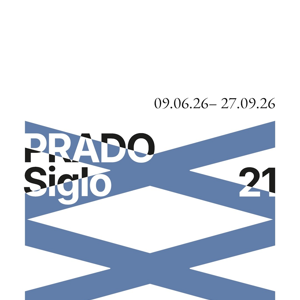
Prado. 21st Century

Museo Nacional del Prado. Madrid 6/9/2026 - 9/27/2026

Calendar Add to the calendar

The Museo Nacional del Prado has such a solid presence that it is easy to think of it as a fixed, unchanging institution. In fact, in the last 25 years nearly a thousand new paintings, including absolute masterpieces by Fra Angelico, Velázquez and Goya, have entered the Museum’s collection. During that time, the Prado has been able to expand and develop in all fields—artistic, financial, and in terms of social impact and outreach—thanks to its own law (2003) arising from an agreement among all the parliamentary groups in Spain.

This exhibition, sponsored by the Fundación Amigos del Museo del Prado and with the collaboration of the Autonomous Community of Madrid, will be on display until 27 September in Rooms C and D of the Jerónimos Building. Prado. 21st Century is a journey through the milestones and phases of the Museum’s recent history which have shaped its day to day management, its academic mission and its place in the international cultural scene.

The narrative unfolds through 98 works—paintings, sculptures, drawings, prints, photographs, books and archival documents—together with audiovisual material and display elements. Rather than a self-congratulatory summary of what has already been achieved, they aim to encourage us to continue building the Prado, a museum for everyone.

Prado. 21st Century is a project that follows the transformation of the Museo del Prado over the past twenty-five years. Displayed in Rooms C and D of the Jerónimos Building, it will be on show until 27 September 2026.

Through a carefully chosen and representative selection of 98 works that have been added to the collection since the year 2000, shown alongside documentary, bibliographic, audiovisual and statistical material, the exhibition offers a reflection on the Prado's contemporary identity. The exhibition presents the Museum as an institution in motion, aware of its historical heritage but also of its present and future responsibilities.

Curated by Alfonso Palacio, Deputy Director of Curatorship and Research, and Elena Cenalmor, Curatorial Assistant in the Deputy Directorate of Curatorship and Research, both at the Museo del Prado, the exhibition focuses on the structural, academic and social changes that have allowed the Prado to strengthen its position among the world's leading art museums. This is a collective narrative which highlights both the growth of the collection and the evolution of its models of management, conservation, research, communication and public engagement.

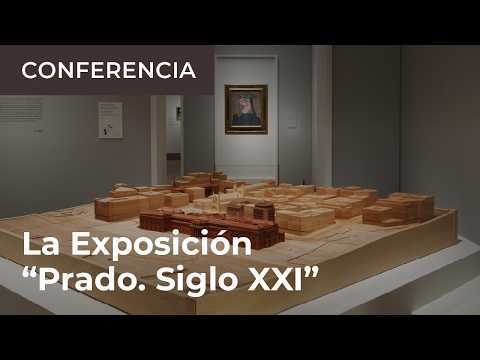
Prado. 21st Century opens with an infographic that highlights the quantitative, qualitative and physical transformations which the Museo del Prado has experienced in the last 25 years, together with a large-scale model of the planned and scheduled Prado Campus. The exhibition is structured around the growth and enrichment of the collections, one of the central focuses of the Museum in recent decades. The 98 works on display, dating from the Middle Ages to the late 20th century, allow visitors to trace how the Museum has added key works to its collections through acquisitions, donations, bequests, State assignations and models of community-based participation. Paintings, sculptures, drawings, photographs, books and archival documents construct a narrative that emphasises both the artistic quality and the institutional context which has made it possible to add these works to the Museum’s collection.

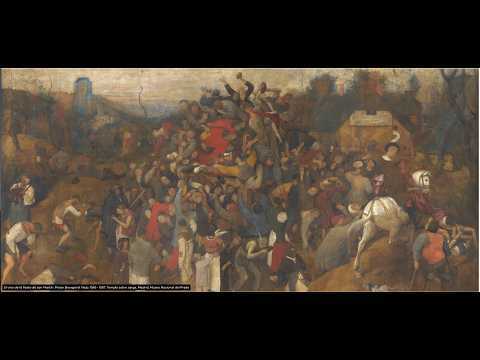
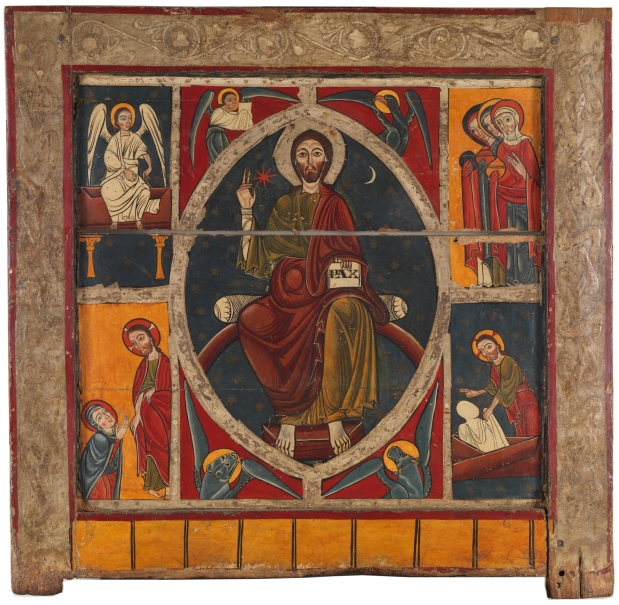
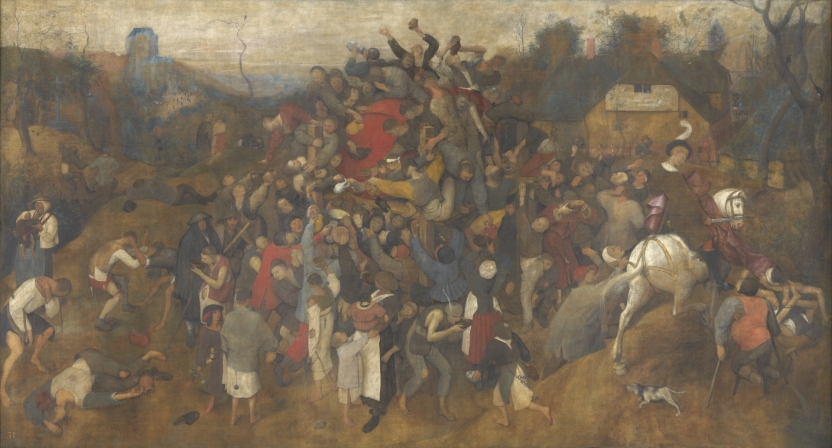
Among the most significant are examples of medieval and Renaissance art that reinforce areas historically less represented in the Prado’s collections, such as the Altar Frontal from Solanllong. Christ Pantocrator with the Tetramorph (1200–1210) donated by the Várez Fisa family, the monumental Roman Torso of Aphrodite (1st century BC-1st century CE) donated by Claudio Bravo, and The Wine of Saint Martin’s Day, acquired through a one-time capital grant from the Ministry of Culture and with the Museo Nacional del Prado’s own funds in 2010. These acquisitions illustrate the balance between public support and social commitment with regard to the Museum’s acquisitions policy.

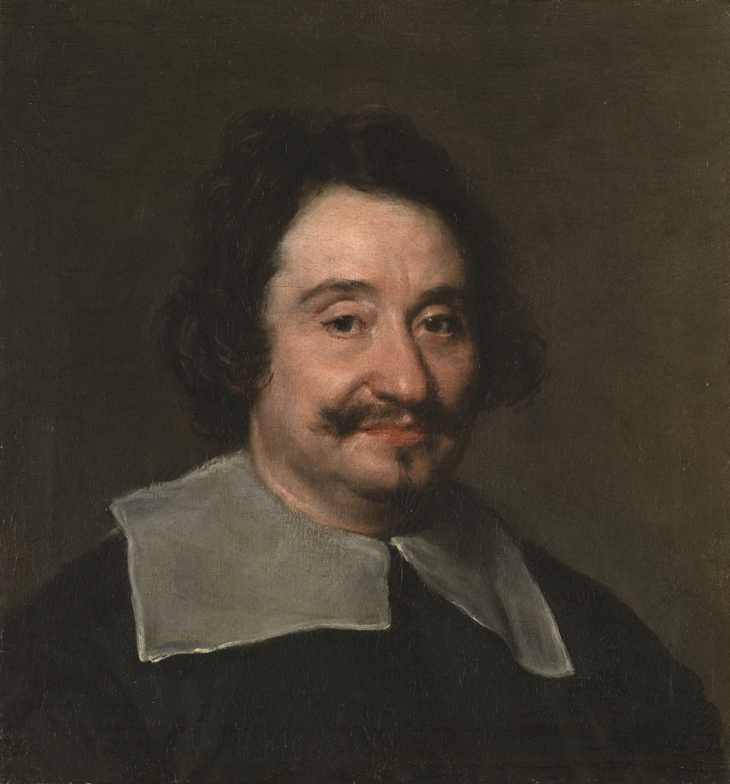
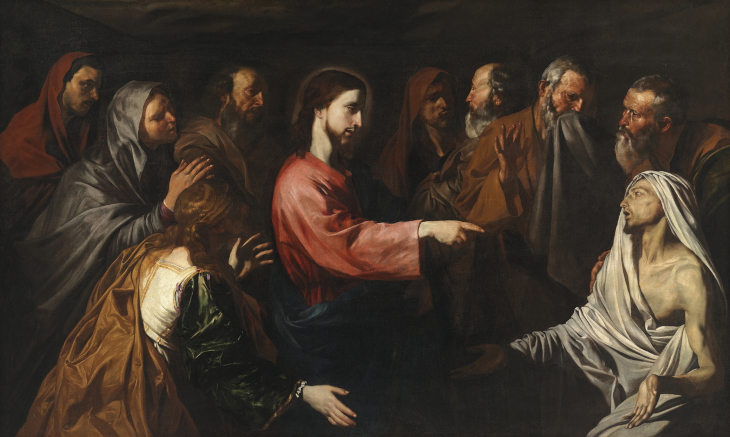
The holdings of Baroque art, one of the pillars of the collection, have been strengthened with works such as The Raising of Lazarus by José de Ribera, Saint Francis in prayer by Francisco de Zurbarán, and Portrait of Ferdinando Brandani by Velázquez, the latter acquired with the Museum’s own funds. In addition, the exhibition highlights key donations that have been fundamental to the growth of the Prado, such as that of Plácido Arango, and the Jordan bequest, which has significantly contributed to areas such as painting and miniatures.

The exhibition also highlights the role of crowdfunding and that of the Fundación Amigos del Museo del Prado, resulting in the addition of new works such as Portrait of a Girl with a Pigeon by Simon Vouet and Oratory with the penitent Saint Jerome, acquired with the support of the public. These works exemplify new forms of social involvement in the construction of the collection and the Museum's commitment to opening its processes to society at large.

The exhibition continues with a focus on the consolidation of specific areas of the collection, including works by women artists, with acquisitions of paintings by Sofonisba Anguissola, Rosa Bonheur, Rosario Weiss and María Blanchard, and the photography collection, which documents both the history of the Museum’s buildings and the first reproductions of its masterpieces. These fields are complemented by the collections of drawings, prints, artists' sketchbooks, books and archival documents, which offer an insight into creative processes and the intellectual history of the Museum.

Prado. 21st Century concludes with a review of other key areas of the Museum’s work in the last 25 years: publishing activities, represented by a display of publications produced since 2000; the work undertaken by the Restoration and Education Departments and the Study Centre; and the evolution of communication and public engagement strategies, linked to the Museum's growing national and international profile. Making use of graphic and audiovisual material, Prado. 21st Century presents a journey through the transformation of the Museo Nacional del Prado over the past twenty-five years, highlighting the expansion and diversification of its ways of engaging with society. This is a project which reveals how the Museum has introduced new languages and channels to explain its work, facilitating access to knowledge and strengthening a more direct and ongoing connection with its visitors.

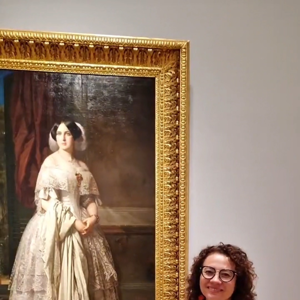
The exhibition's audiovisual content, which has allowed certain aspects to be expanded, emphasised and presented in more detail, was developed in collaboration with Samsung, the Prado’s technology partner. Furthermore, in the context of the exhibition, the Museum and Samsung are launching a major new feature: “Prado Photo”, an innovative mobile app that allows visitors to take home a personalised photographic record of their visit. Thanks to the use of advanced AI technology, the app combines the user's image with some of the most famous and emblematic galleries and works in the collection without disrupting visitor flow and enhancing the overall experience.

Prado. 21st Century is an exhibition that presents a reading of the Museum from the present day, focusing on the processes, decisions and collective endeavour that have shaped the Prado in recent decades.

Curators:
Javier Arnaldo, Director of the Museo del Prado’s Study Centre, and Javier Barón, Head of the 19th-century Painting Collection


Access

Room C, D . Jerónimos Building

RDF

RDF

Sponsored by:
Fundación Amigos del Museo del Prado
With the collaboration of:
Comunidad de Madrid

Multimedia

Exhibition

The Exhibition

The Exhibition
Ferdinando Brandani

Diego Velázquez 

Oil on canvas

1650

Acquired by the Museo Nacional del Prado with an extraordinary State budget, 2003


From the starting point of self-awareness and the highest self-imposed standards, this exhibition presents a survey of the process of transformation which the Museo del Prado has undergone over the last quarter of a century. Through works of art acquired during this period and a series of statistical, object-based, photographic and documentary comparisons, it reveals the recent history of an active and dynamic museum: a living and open institution which, building on the work of generations of staff, lenders, donors, legatees, sponsors, various boards of trustees, the Fundación Amigos del Museo del Prado and others, has evolved over the past twenty-five years to achieve a leading position among the world’s great museums. This reality has come about not only due to the excellence of the Museum’s collections but also to the efficacy of its financial and administrative management, the coherence of its academic project, its research and training mission, educational drive, consolidated publications strategy, external projection, communicative strength and its reception by society at large through its committed openness towards that society, as well as through an increasingly close and direct relationship with visitors.

1. A Museum in Transformation

1. A Museum in Transformation
The Raising of Lazarus

José de Ribera 

Oil on canvas

c. 1616

Acquired by the State as a nonrecourse debt of Caja Madrid and assigned to the Museo Nacional del Prado 2001

This first section analyses the Prado’s significant evolution, both quantitatively and qualitatively, over the last quarter of a century through a range of comparative figures and images, as well as its physical and spatial expansion, both with regard to the changes made to existing buildings and the remodelling and construction of new ones. The first aspect is revealed in the introductory infographic presented here. The second is illustrated by the accompanying architectural model, which depicts some of the buildings that have marked the Museum’s growth over the past twenty-five years, including the planned and completed expansion of the former Jerónimos cloister, the restructuring of the Casón del Buen Retiro, and the forthcoming inauguration of the so-called Salón de Reinos [Hall of Realms], a building currently under renovation that will complete the Prado Campus. Any transformation and expansion of a museum also entails a change in the very dynamics that affect that institution. 

The Museo del Prado Campus

This architectural model includes all the different buildings that currently make up the Prado Campus, among them the future Hall of Realms. Every campus involves planning, almost always of an urban and architectural nature, and through it the expression of an identity. The inauguration of the latter building will thus represent a considerable challenge to the entire area surrounding the Museum. For this reason, the Prado’s approach to resolving the space as a whole will be crucial: pedestrianising the surrounding area while respecting visitor inclusivity; creating effective signage; organising circulation routes; and ensuring the appropriate connection between the different architectural units that comprise it, whether for display, research or administrative purposes, within an overall organic framework.

2. The Growth of a Collection

2. The Growth of a Collection
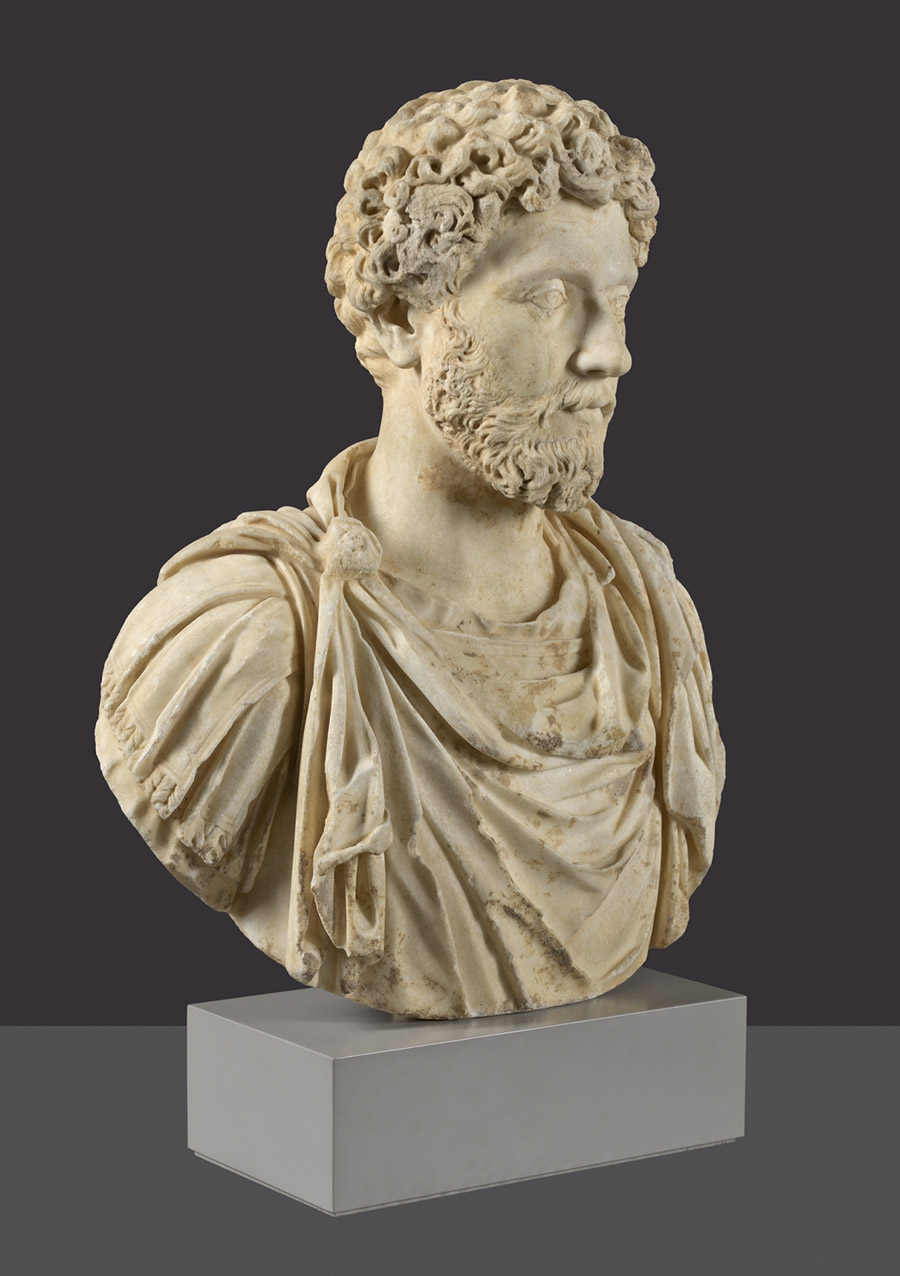
Bust of the Emperor Marcus Aurelius

Unknown sculptor

White marble

AD 161-169

Donated by Claudio Bravo, 2000

Over the past twenty-five years it can undoubtedly be said that among its different characteristics, the Museo del Prado has been defined by a consistent and successful strategy of adding works of art to its collections, whether through acquisitions, donations, bequests, deposits or other formats, with the result that it has become an open, vibrant and constantly evolving museum. These acquisitions have been of remarkable quality, including those on display in the rooms of this exhibition, some of them undisputed masterpieces. They range in date from the second to the twentieth century, encompassing the Middle Ages, the Renaissance, the Baroque and the eighteenth and nineteenth centuries. Also evident is the fact that the Museo del Prado is not simply a paintings gallery but also houses important examples of sculpture, both classical and from later periods. Furthermore, the collection’s scope extends beyond the year 1800 as some works date from long after, with a vigorous presence of the twentieth century.

European painting and sculpture up to the Renaissance

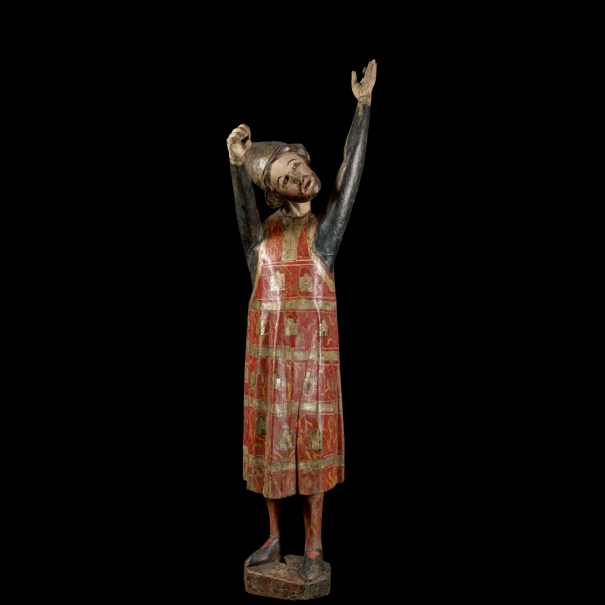
The chronological framework of the works from the Museum’s collection presented in this exhibition spans the thirteenth to the sixteenth centuries, with one example dating as far back as the second century AD in the form of the Roman sculpture from the Claudio Bravo donation, and as far forward as the twentieth century with Bust of a Woman by Picasso. This serves to remind us that the Prado is more than an exceptional paintings gallery and that its collection extends beyond the nineteenth century. A good example of the growing interest in strengthening the sculpture holdings that has emerged in recent years is the thirteenth-century Nicodemus on display in this room. Other acquisitions, notably The Wine of San Martin’s Day by Pieter Bruegel the Elder, have enhaced the holdings of thirteenth- to sixteenth-century Spanish and European painting. 

Renaissance and Baroque

The Museum’s holdings of Spanish art have been strengthened with the addition of works by Juan de Juanes, Alonso Berruguete, Luis de Morales and Pieter Kempeneer. The Flight into Egypt by El Greco (c. 1570) is another of the great treasures to be assigned to the Prado’s collections during these years, as are the unique A Lady in her Bath by the studio of François Clouet (c. 1566), and Portrait of a Girl with a Pigeon by Simon Vouet (c. 1620). The Spanish Baroque is represented by important works by Diego Velázquez, José de Ribera, Francisco de Zurbarán and Francisco Herrera the Younger. Once again, sculpture deserves special mention with two outstanding works by Juan de Mesa and Luisa Roldán.

The eighteenth century and Goya

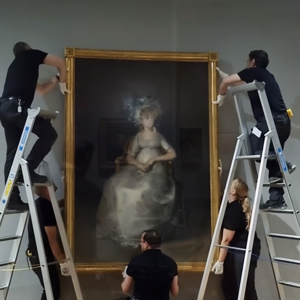
Over the past twenty-five years the eighteenth-century collection has seen the addition of major works such as The Death of Adonis by François Boucher, Visit of Queen Maria Amalia of Saxony to the Arch of Trajan in Benevento (c. 1759) by Antonio Joli, and the magnificent portrait of José Nicolás de Azara by Anton Raphael Mengs (1774), in addition to several works by Luis Paret y Alcázar and Agustín Esteve on display in this room. An example of the focus placed on expanding the sculpture collection in recent years has been the acquisition of the delicate Apparition of the Christ Child to Saint Anthony of Padua by Nicola Fumo. Finally, and inevitably, the presence of Francisco de Goya has been enriched over this period with drawings, prints and the spectacular Countess of Chinchón (1800).

Nineteenth and twentieth centuries

The Museum’s nineteenth-century collection has continued to grow over the years in question with significant works such as the Diptych with 42 Views of Spanish Cities and their Monuments by Genaro Pérez Villaamil. Other paintings by Federico de Madrazo, Mariano Fortuny, Martín Rico, Darío de Regoyos and Hermen Anglada-Camarasa have been added to this important collection, in some cases works that reflect principles close to modernity that would subsequently define a significant part of the art produced in Spain in the twentieth century, represented in the Museum by the portrait of Manuel Bartolomé Cossío by Joaquín Sorolla (1908) and the watercolour Sunset (by Titian) (1992) by Ramón Gaya, among others. Gaya was a key figure in the renewal of twentieth-century Spanish painting for whom the Museo del Prado was a constant source of inspiration.

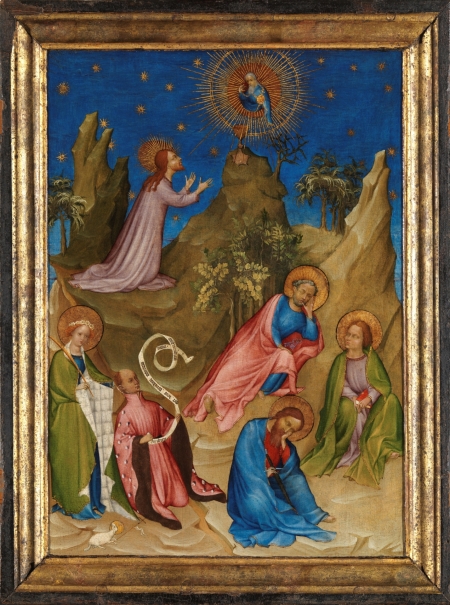
3. New Acquisition Strategies for an Evolving Collection
3. New Acquisition Strategies for an Evolving Collection
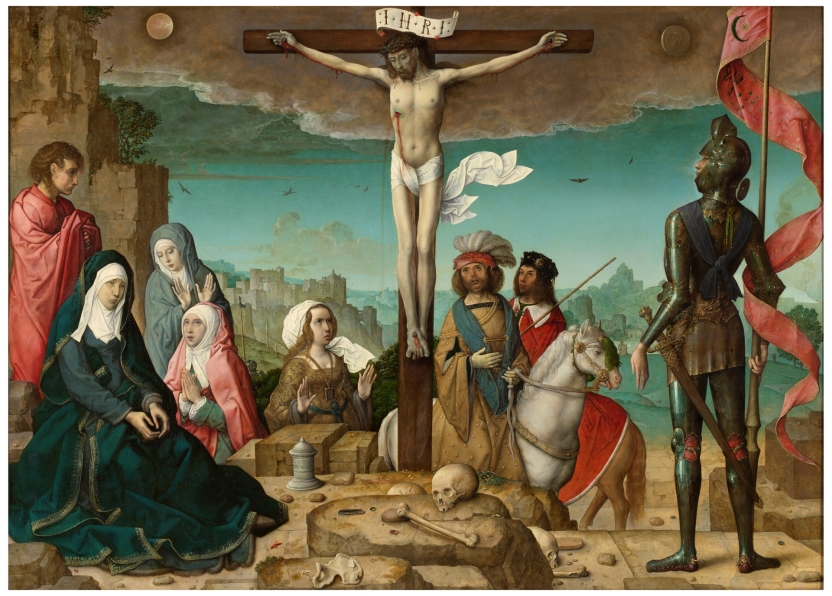
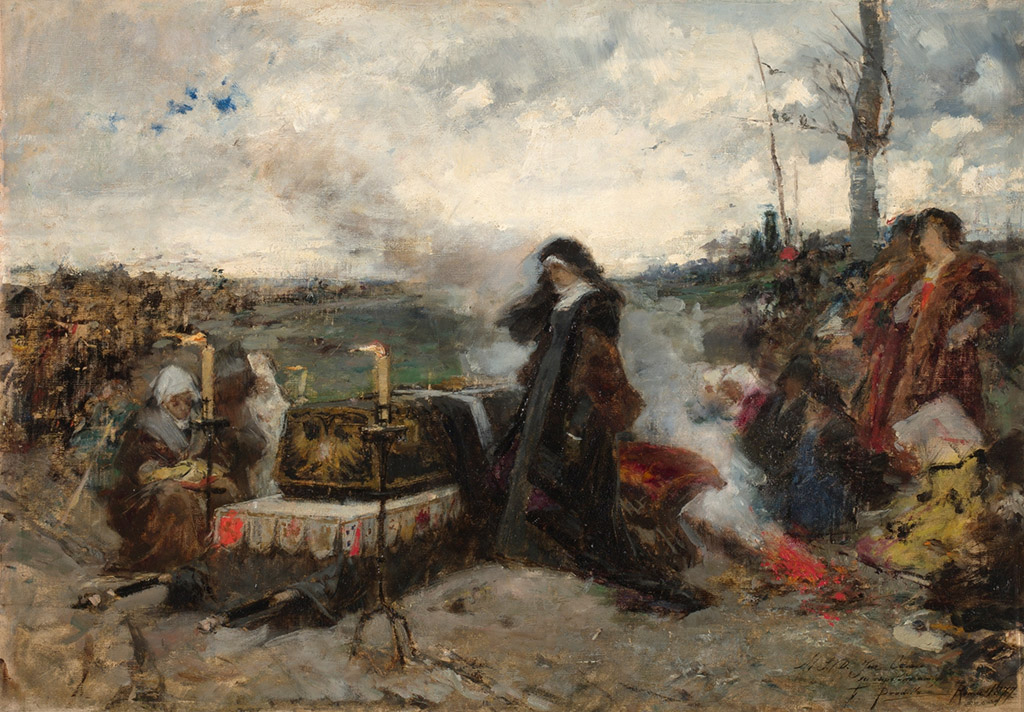
Joanna the Mad at the Tomb of her Husband, Philip the Fair (oil sketch)

Francisco Pradilla 

Oil on canvas

1877

Acquired by the State and assigned to the Museo Nacional del Prado, 2002


This section presents a series of collecting strategies that have acquired their own distinct identities over the past twenty-five years in an ongoing and systematic manner. The areas in question are: works relating to the creative process, which are fundamental for understanding both artists’ working methods and some of the finished works on display in the Museum’s galleries; sketchbooks and drawings, important both as works of art in their own right and as sources of inspiration for other projects; miniatures; bibliographic and documentary holdings, which are crucial for contextualising a part of the work of the artists represented in the Museum; works by women, which are key to constructing a more inclusive history of art that gives visibility to their role in the visual arts in all periods; and the firm commitment to forming a significant photography collection. 

The material nature of the work of art: understanding the creative process

Among the aspects of the collection to have received most attention over the past twenty-five years is the endeavour to trace everything relating to the creative process in order to understand the material nature of the works. Comprehending how artists approached that creative activity, what their working processes were and what tools and materials they used has become a priority. To this end, the Museum has acquired treatises on art, works centred on the image of the artist and of his or her practice (particularly prints), and objects that were part of the artistic process, such as sketchbooks, albums of prints, preparatory drawings and oil sketches.

Alongside these records of the pictorial process, and returning to the premise that the museum is not just a paintings gallery, materials associated with the creative procedures of different areas represented in the collections, such as prints and miniatures, have also been acquired.

Sketchbooks and albums of prints

When devising a new composition, artists sought inspiration from other creators and made numerous preliminary studies. To do so, they often made use of collections of prints by various artists and schools and from different periods, which they kept in their studios. They also turned to their own sketchbooks, especially those made during their study trips to Italy, such as Mariano Salvador Maella’s Italian Sketchbook. In them they recorded not only classical sculptures, paintings, views, buildings and monuments that contributed to their training and could be used for future reference, but also anything that attracted their interest and even initial studies for subsequent works. The Museum has acquired dozens of these sketchbooks by artists such as Martín Rico, Ignacio Pinazo and Manuel Benedito.

The miniatures collection

The Museum has increased the visibility of relatively unstudied fields, such as miniatures and small portraits, by promoting their research (subsequently published as a catalogue raisonné) and greater visibility through temporary exhibitions, as well as ensuring their presence in the permanent display and their addition to the collections. Of the more than two hundred miniatures in the Prado, fifty have been acquired since 2000, many through donations. These very delicate works are executed in a range of materials and belong to different schools. Notable examples include Portrait of a Lady, painted on card with a tortoiseshell frame, and Portrait of a Gentleman, painted on copper, dating from the sixteenth and seventeenth centuries respectively, although the predominant type is the nineteenth-century portrait on ivory by established artists such as Luis de la Cruz and Agustín Esteve. 

The collection also includes examples of less common subjects, such as the copy on ivory of a composition by Bartolomé E. Murillo. 

Women in the history of art

One of the areas of the collection on which most emphasis has been placed in recent years, both in terms of quantitative and qualitative representation, is that of works by women artists from the sixteenth century onwards, with four notable names present in this room: Sofonisba Anguissola, Rosario Weiss, Rosa Bonheur and María Blanchard. Many more could be mentioned, some previously not represented in the collection and others already present but now with more works. Whether relating to the fields of painting, sculpture or drawing, these additions to the Museum’s collections above all constitute a clear example of the importance of women in constructing part of a history of art that has kept them silenced for so many centuries.

A new artistic discipline: the photography collection

Comprising over 10,000 images of cultural significance, the Museo del Prado’s photography collection did not exist as such at the start of the twenty-first century, when an acquisitions and research strategy was devised. Since then the collection has seen remarkable growth, revealing several distinct typologies and areas of expansion. 

Particularly notable within these are photographs reproducing works of art, providing a visual record of the Museum’s collections, many of them taken by photographers associated with the institution, such as Juan Laurent and Mariano García Moreno. Alongside them is a group of images documenting the architectural and museographical changes experienced by the Prado over almost two centuries. Another growing area focuses on photographs of artists’ studios, allowing for the study of their public image and the reconstruction of their work spaces, while a further group aims to complete the iconography of the artists represented in the Prado. Finally, the collection also includes a rich and varied group of photographs of landscapes, monuments and scenes of daily life acquired by painters on their travels.

The Library and Archive: the construction of a knowledge centre

The Library, Documentation and Archives Department was created in 2008, located in the Casón del Buen Retiro, and a systematic acquisitions policy was implemented at that point. The growth of the rare book collection was guided by criteria based on the Museum’s holdings: treatises written or illustrated by artists represented in its collections, and original editions that these artists could have consulted during their creative process. These texts include treatises on art, geometry, perspective and the representation of the human body, in addition to drawing manuals and literary texts on religious and mythological subjects. Travel books were also acquired, given their importance in disseminating knowledge of artistic cultural heritage, particularly the collections housed in the Museo del Prado.

Artists’ correspondence and personal archives have also been acquired in order to facilitate detailed study of their lives and cultural context, as well as a range of documentation such as leaflets and posters relating to the history of the Prado.

In its entirety, this holding has proved fundamental for much of the research undertaken at the Museum itself.

4. Core Functions of a Modern Museum

4. Core Functions of a Modern Museum
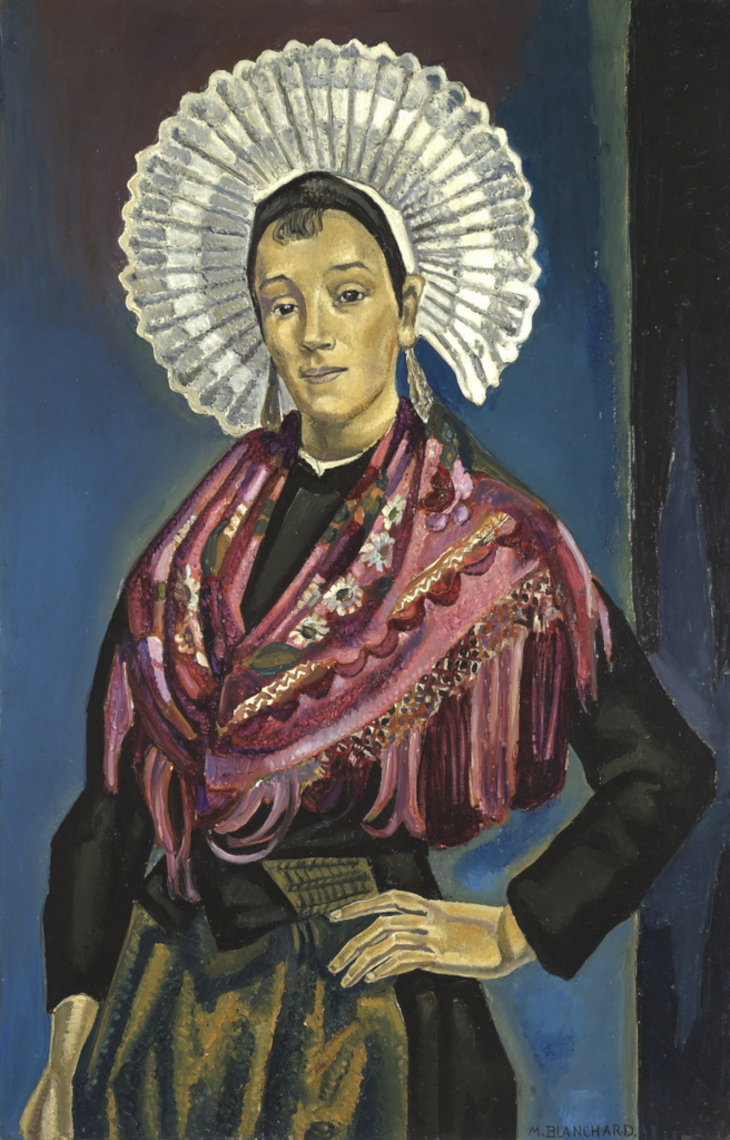
La bolonnaise

Marie Blanchard

Oil on canvas

1922-23

Acquired by the Museo del Prado with its own funds, 2024


This final section of the exhibition includes examples of the important publishing activity undertaken by the Museo del Prado over the past twenty-five years, which can be described as outstanding both quantitatively and for its academic rigour. Also highlighted here are different aspects of the effective training activities taking place at the Museum’s Study Centre, founded in 2009 and a reference point in numerous fields of research and knowledge; the outstanding level of quality attained in recent times by the Area of Restoration and Technical Documentation, equipped with optimum technological and professional resources, which has placed it at the forefront of the most important restoration departments worldwide; the varied and up-to-date educational programme, which reaches all sectors of the public and addresses the most pressing debates of our time; the dynamic and rigorous national and international profile which the Museum has achieved in relation to all its different areas and aspects; and finally, the energetic and innovative communications strategy developed and implemented in recent years, which has been recognised with a series of awards and accolades. 

Writing about the museum: publishing activity

Since its creation in 2005, the Museum’s Publications Department has undertaken an essential activity, both quantitatively and qualitatively, in which the careful editing of texts and translations, the beauty of the design and the quality of the images is a constant goal. In recent years the Prado has significantly increased the number of publications it produces while diversifying and enriching its output with new editorial lines. It currently publishes around twenty books annually. Thanks to its English-language editions and its collaboration with the Library, Documentation and Archives Department, which has uploaded dozens of PDFs of these publications onto its Digital Library, the Publications Department also contributes to the commitment to preserving knowledge of the Museo del Prado’s collections and making it accessible to an ever-growing community of readers.

Research and training: the Study Centre

The mission of the Museo del Prado’s Study Centre, founded in 2009 and based in the Casón del Buen Retiro, is to make the Museum an international centre of reference for training and research in art history and museology, complementing the options offered by the university sector. 

The Centre’s activities are structured around four axes: academic initiatives such as the Prado Chair, symposia and lectures; grants and research stays; literary residencies, such as “Writing the Prado” and “Poets at the Prado”; training programmes such as the Summer School, aimed at university students, the Museum Management Programme, geared towards postgraduate students and professionals; and finally, R&D&I research projects within the framework of the Spanish Science, Technology and Innovation System, launched in recent years. 

Conserving and analysing: restoration and technical study of the collection

The Restoration and Technical Documentation Area at the Museo del Prado is undoubtedly one of the most internationally prestigious units within the institution. It comprises the painting, paper, sculpture and decorative arts studios, the Technical Documentation and Laboratory Service, and the Conservation and Restoration Unit for the Frame Collection. Its mission is to preserve the integrity of the works of art in the collection, either through preventive conservation or intervention on those works. The Restoration Area is equipped with state-of-the-art technology in terms of radiographic, infrared and tomographic studies, as well as 3D printers and more. Alongside its conservation work, the department’s research into techniques and materials is also very significant, yielding important results published in leading specialist journals and exhibition catalogues. 

Mediating and engaging: education at the Museum

The Education Department at the Museo Nacional del Prado has its origins in the Pedagogical Department, created in 1983 in response to the need to connect the collections with society at large. Over these more than forty years and particularly in the last quarter of a century, it has grown and adapted its projects, activities and methodologies to reflect societal changes and the evolving demands of its different publics. The department is responsible for disseminating a priceless heritage that belongs to us all through actions that transcend the purely artistic in order to emphasise universal values such as respect, equality, intercultural understanding and sustainability. With this in mind, the Education Department has evolved on the basis of its firm commitment to the community, aspiring to be a driving force for change towards a twenty-first-century museum without renouncing the great legacy and knowledge offered by the Prado’s unique collections dating from the fifth century BC to the early twentieth century. 

Sharing the collection: a museum without frontiers

In recent years, the Museo del Prado has achieved an extremely high profile both within Spain and internationally. The “Extended Prado” programme has aimed to increase the importance of the Museum’s collections deposited on long-term loan outside the main building by reviewing the criteria that lead to their assignation and developing a series of collaborative initiatives which have made it possible to work closely with the borrowing institutions. This programme has been complemented by others that have travelled across Spain, such as “Art that Connects” and “The Prado on the Street”, the latter also implemented internationally. The Museum has also been present with numerous initiatives in different parts of the world, including China, Japan and Australia, where it has held exhibitions and organised a range of other activities.

Visibility: the drive to communicate

A museum such as the Prado can be defined as a permanent, non-profit institution serving society, which researches, collects, conserves, interprets and exhibits its tangible and intangible heritage. Open to the public, accessible and inclusive, museums promote diversity and sustainability. They operate and communicate ethically and professionally, engaging with communities and offering a wide range of experiences for education, enjoyment, reflection and knowledge exchange. However, what has most evolved within the Museo del Prado over the past twenty-five years has been its communicative power which, from the perspective of that activity, has transformed the Museum into a true content factory that makes use of the widest range of channels to generate initiatives which help to articulate its unique identity and make that identity visible to all sectors of the public.

Artworks

1
Urban model of the Prado Museum Campus

Built to a scale of 1:250. Digitally designed and manufactured. Hand-assembled and finished. Made from pear, Spanish walnut and hard maple wood. EXarchitects, 2026

2
Bust of a Woman

Pablo Picasso

Oil on canvas

1943

Long term loan from the American Friends of the Prado Museum, thanks to the courtesy of the Aramont Art Collection
29
39
41
51
52
54
55
58
59
61
62
63
65
66
67
68
69
70
71
72
73
74
75
76
77
83
84
85
86
87
88
89
90
91
Stultifera nauis

Sebastian Brant 

Basilea, Johann Bergmann von Olpe, 1498 (3.ª ed.)

Acquired by the State and assigned to the Museo Nacional del Prado, 2024

92
Historiarum Veteris Testamenti icones ad viuum expressae

Hans Holbein the Young

Lyon, Melchior y Gaspar Trechsel, 1538 (1.ª ed.) 

Acquired by the Museo Nacional del Prado with its own funds, 2024

93
De architectura libri dece

Marco Vitruvio Polión 

Como, Gottardo da Ponte, 1521

Dontated by José María Cervelló, 2003

94
Traitté de la peinture de Leonard de Vinci

Leonardo da Vinci 

París, Jacques Langlois, 1651

Donated by José María Cervelló, 2003

95
Principios para estudiar el nobilissimo, y real arte de la pintura: con todo, y partes del cuerpo humano...

José García Hidalgo 

Acquired by the Museo Nacional del Prado with its own funds, 2006

96
España negra

Darío de Regoyos and Émile Verhaeren 

Barcelona, Pedro Ortega, 1899

Acquired by the Museo Nacional del Prado with its own funds, 2024

97
Letter from Mariano Fortuny to Ricardo Madrazo sent from Granada, giving him instructions on how to undertake research for a work

6 January 1872

Acquired by the Museo Nacional del Prado with its own funds, 2006

98
Ausstellung der meisterwerke des Prado-Museums

Ginebra, Roto-Sadag, 1939

Acquired by the Museo Nacional del Prado with its own funds, 2020

Print on demand

Print artworks available in our catalogue in high quality and your preferred size and finish.

Image archive

Request artworks available in our catalogue in digital format.

Up