formularioRDF
The itinerary <em>TITULORECORRIDO</em> has been successfully created. Now you can add in works from the Collection browser
<em>TITULOOBRA</em> added to <em>TITULORECORRIDO</em> itinerary

Route

Calderón and Painting

Madrid 5/9/2023 - 9/10/2023

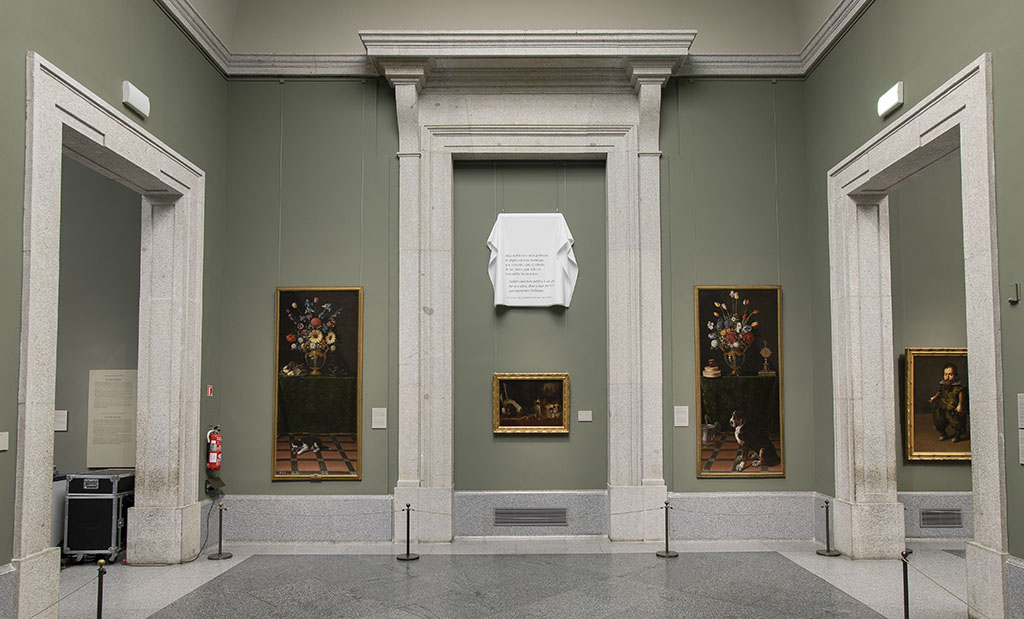
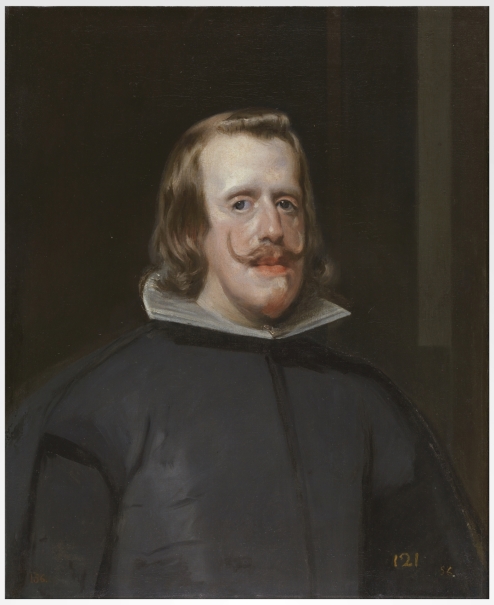
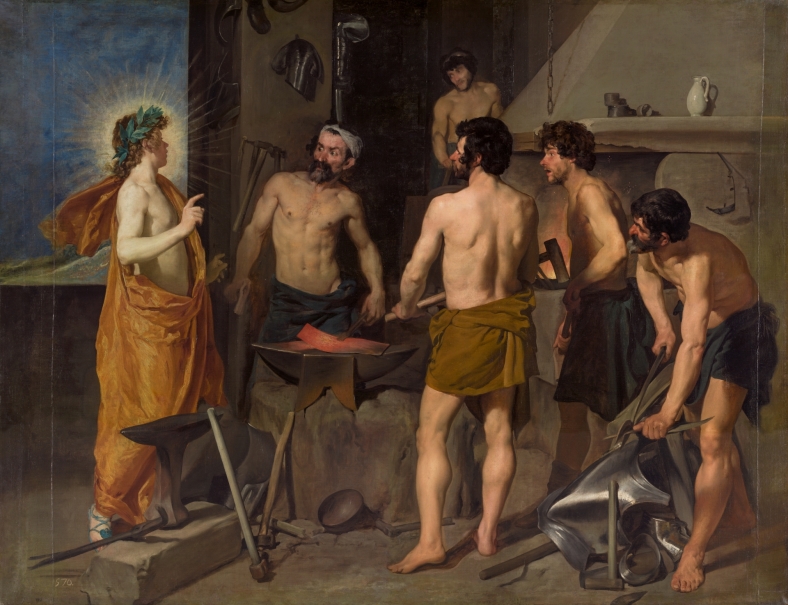
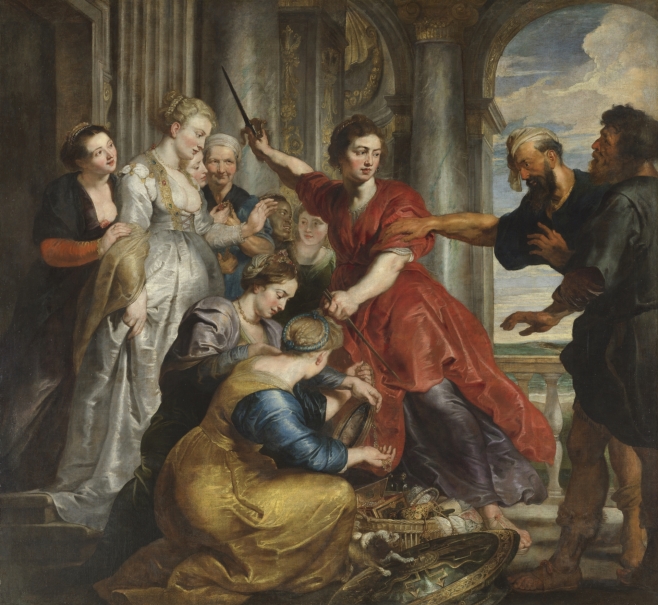
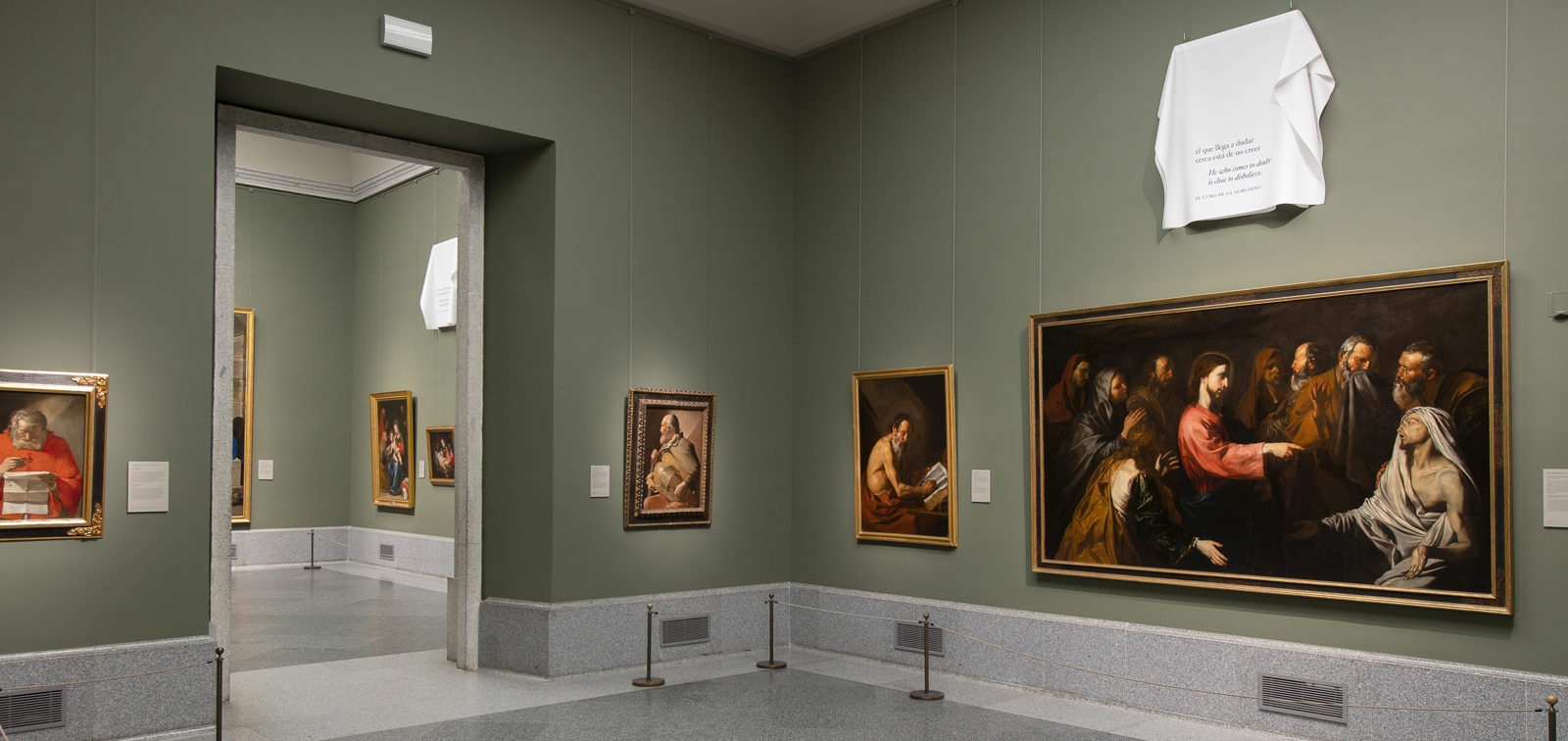
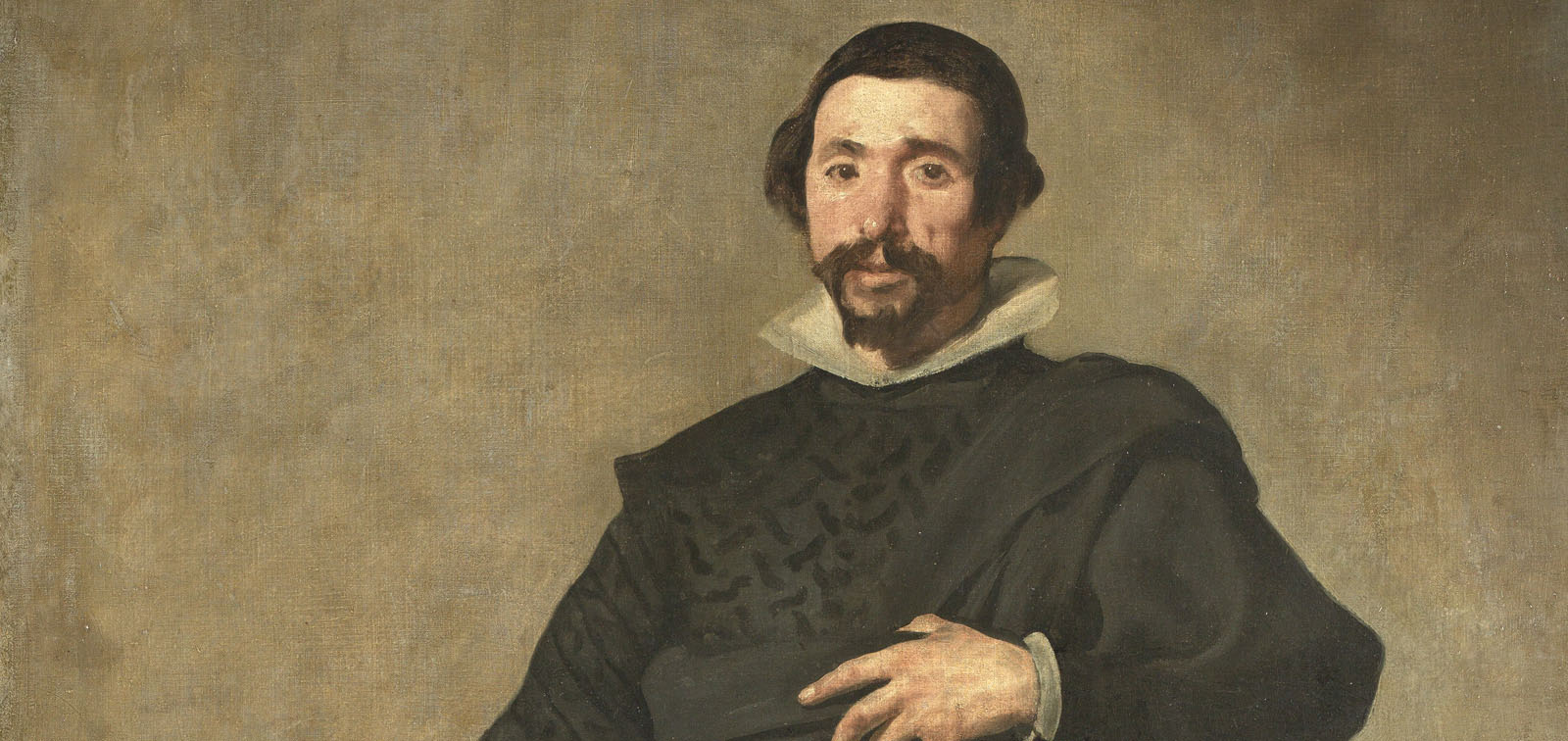
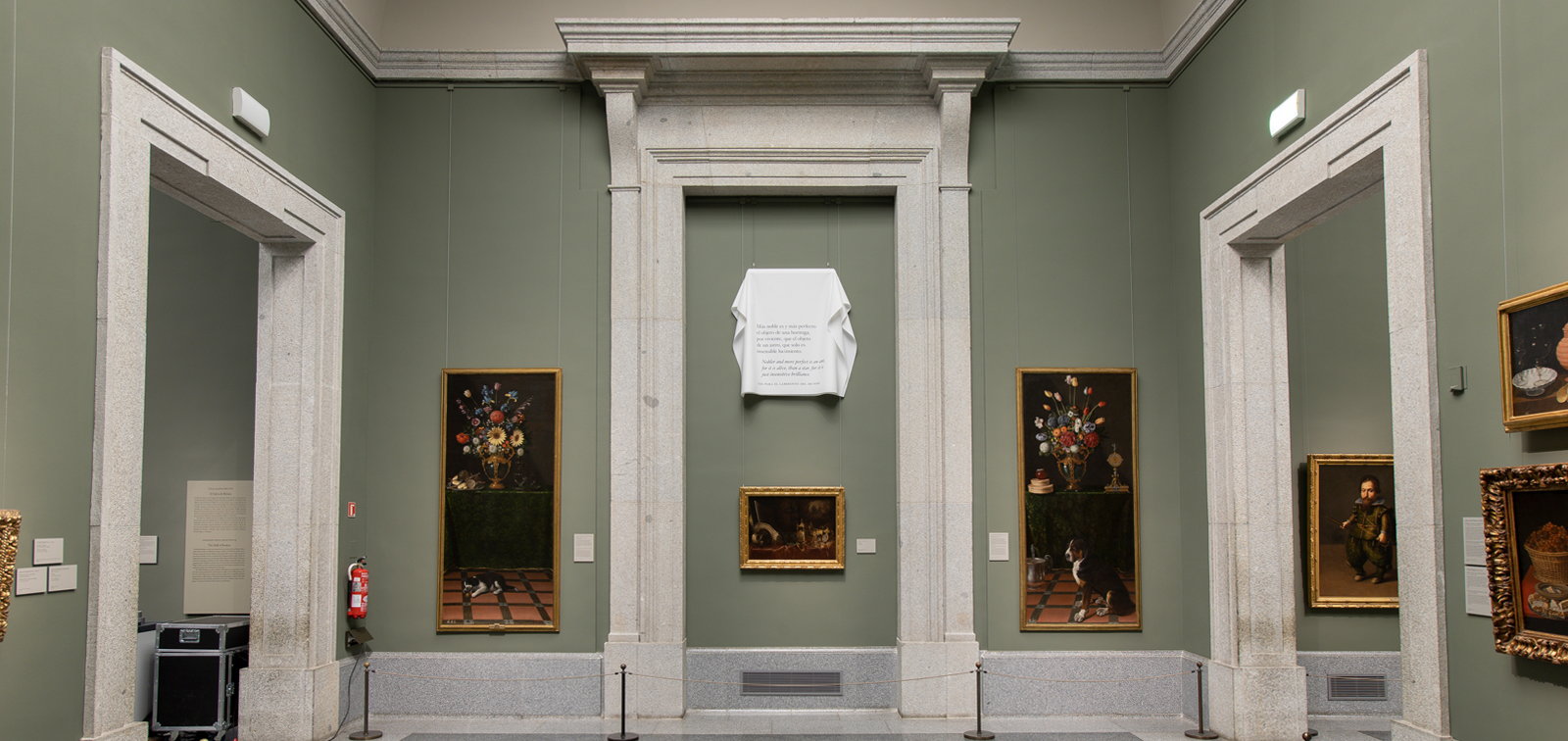
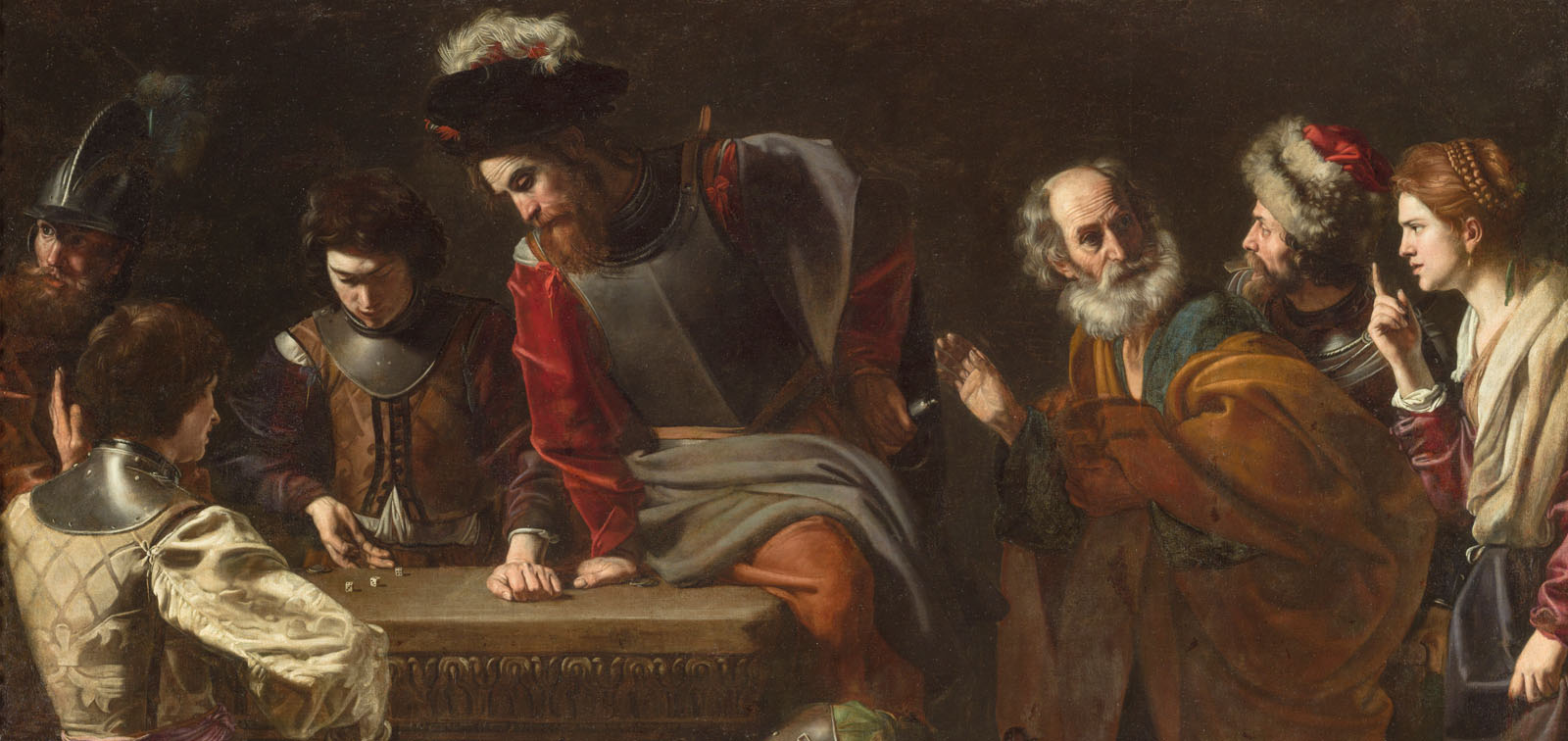
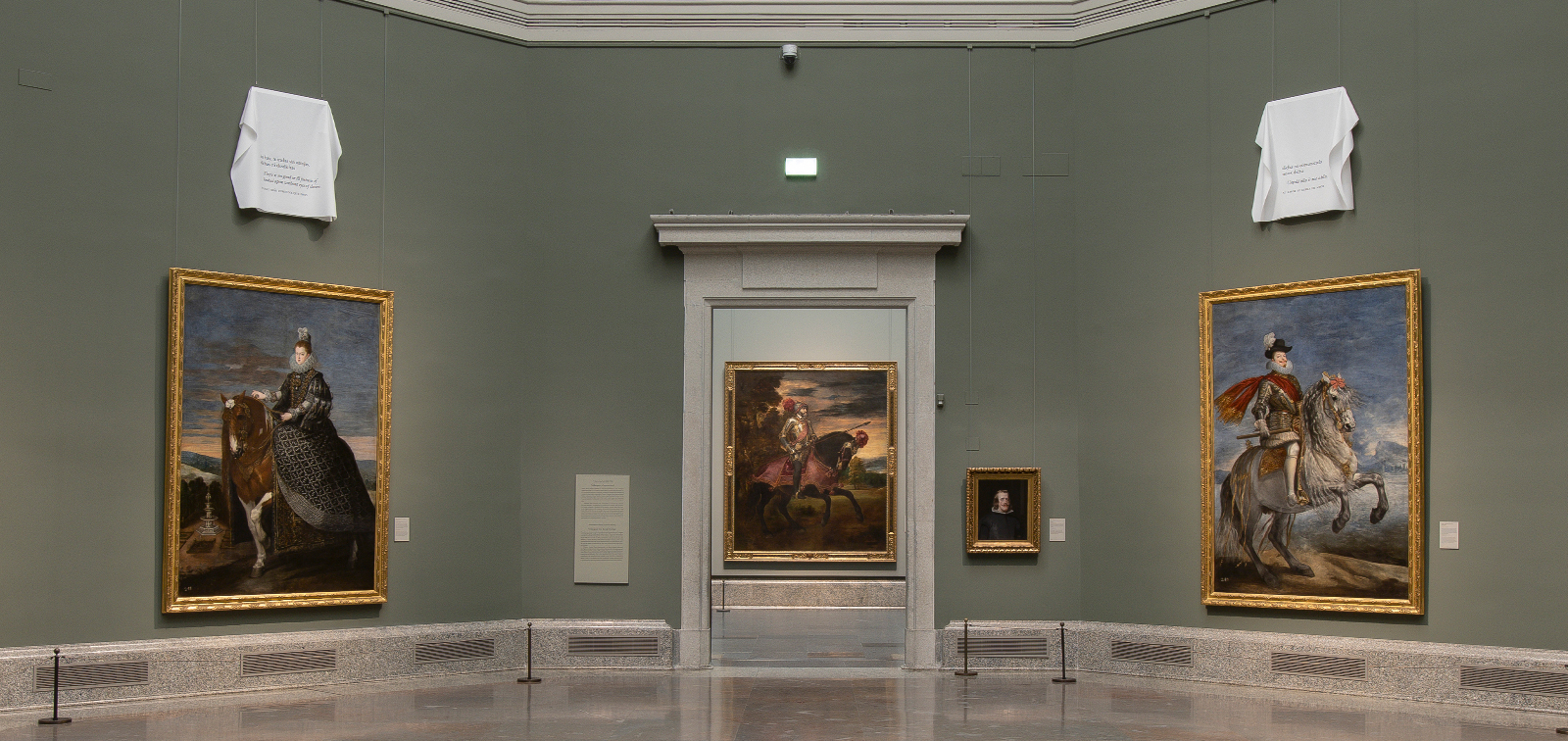
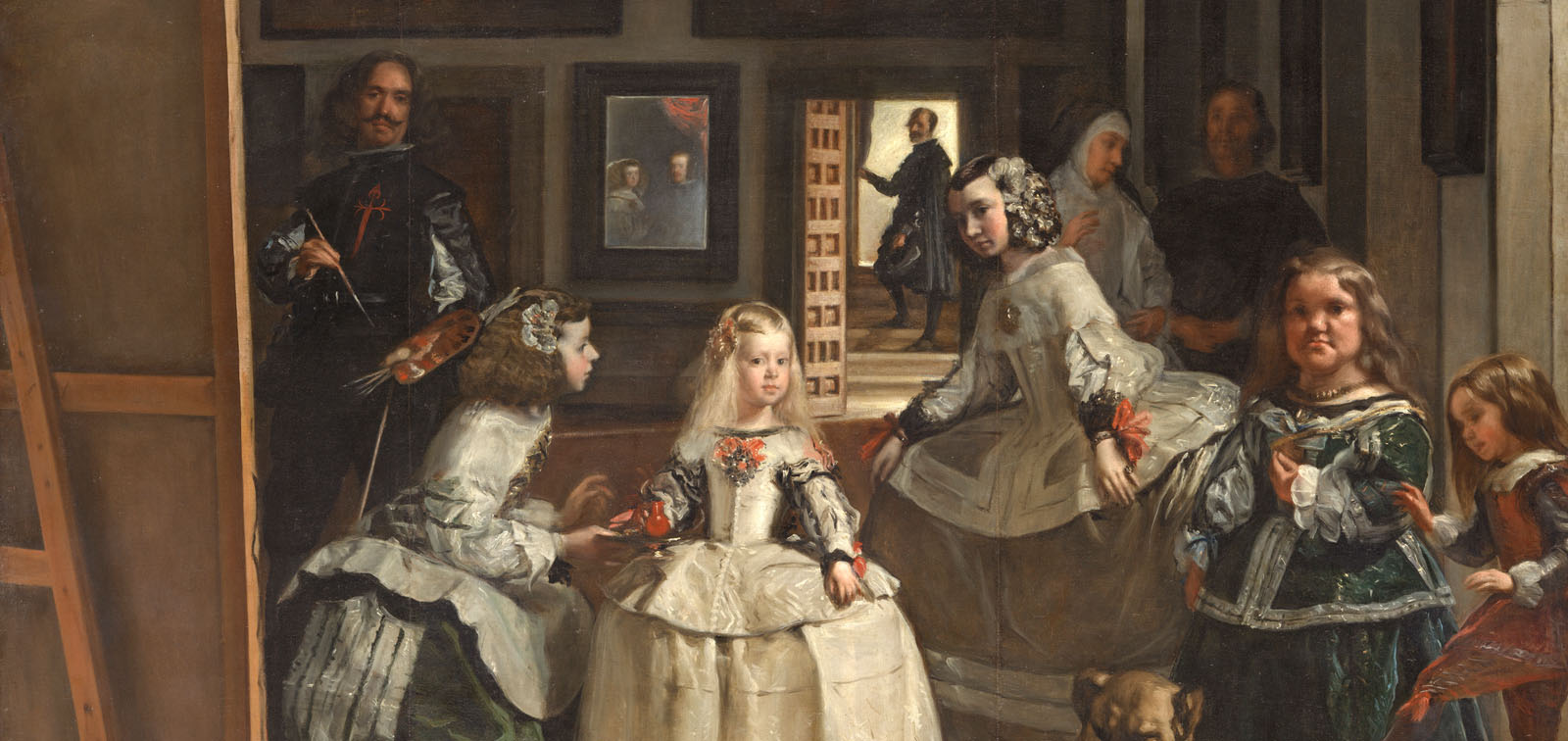
Organised jointly by the Compañía Nacional de Teatro Clásico and the Museo Nacional del Prado, the route Calderón and Painting aims to invite the public to contemplate the Baroque painting of the permanent collection from the conceptual and aesthetic subtlety of Pedro Calderón de la Barca (1600–1681). Designed as an intervention in thirteen rooms on the first floor of the Villanueva Building and in the Central Gallery, the route is structured in three levels that complement each other. A selection of quotes from Calderón, hung on the walls, suggest a dialogue between the lucidity of the author and the language of Baroque painters. At the same time, a series of paintings, commented upon Calderón’s theatre, enable the analysis of several remarkable concerns of the author and his time, both thematically and formally. In order to explore them in greater depth, the tour is completed by several texts that contextualise his thinking in relation to painting.

Curators:
Albert Arribas and Xavier Albertí
Access

Villanueva Building

RDF

RDF

Organized by:
Museo Nacional del Prado
INAEM
Compañía Nacional de Teatro Clásico

Multimedia

Route

Calderón and the Art of Painting

Calderón and the Art of Painting
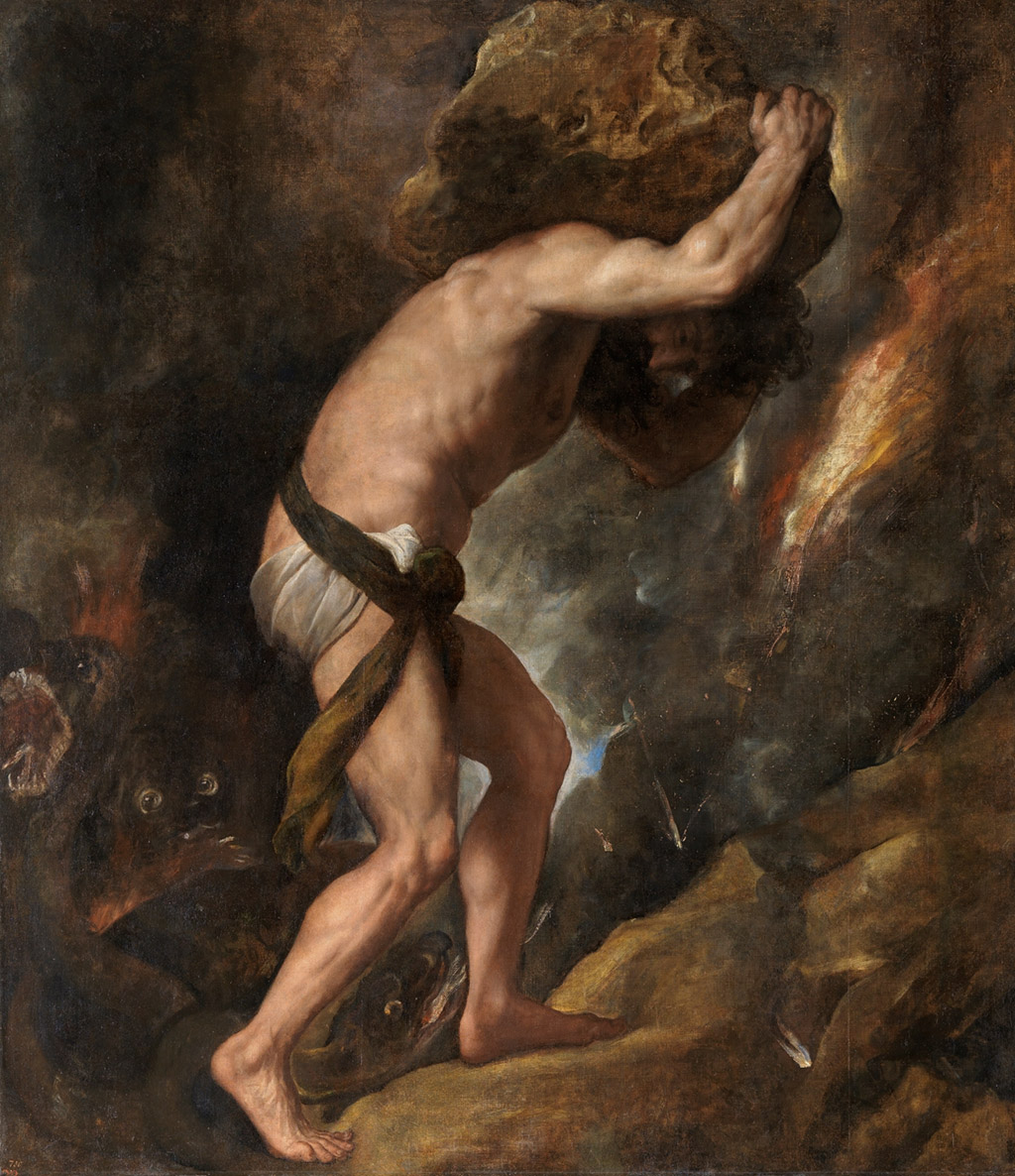
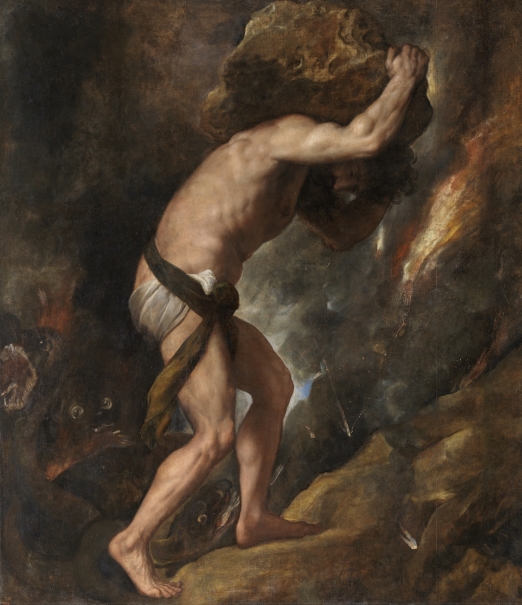
Sisyphus
Titian
Room 27

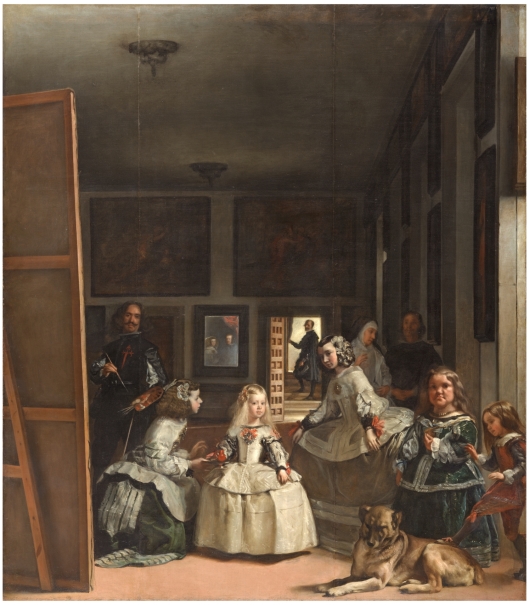
Pedro Calderón de la Barca was a renowned Spanish playwright. He occasionally worked as a set designer and was an art enthusiast, in particular the art of Velázquez. In addition to nurturing this fondness of his as a collector, at the end of his career he theorised on this artistic expression when, during a tax lawsuit between Madrid’s Attorney General and the city’s painters, Calderón was asked to testify on their behalf, on account of the inclination that the author had always had towards pictorial creation. Furthermore, his theatre abounds in reflections on our way of apprehending reality and “encoding” it into mythological, philosophical, theological, artistic or scientific mutable discourses.

Más información sobre las obras de la sección Calderón y el arte de la pintura (Spanish only)

Translating and Rethinking

Translating and Rethinking
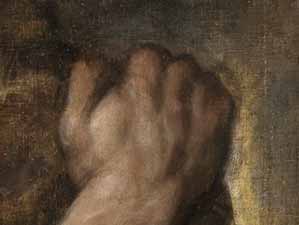
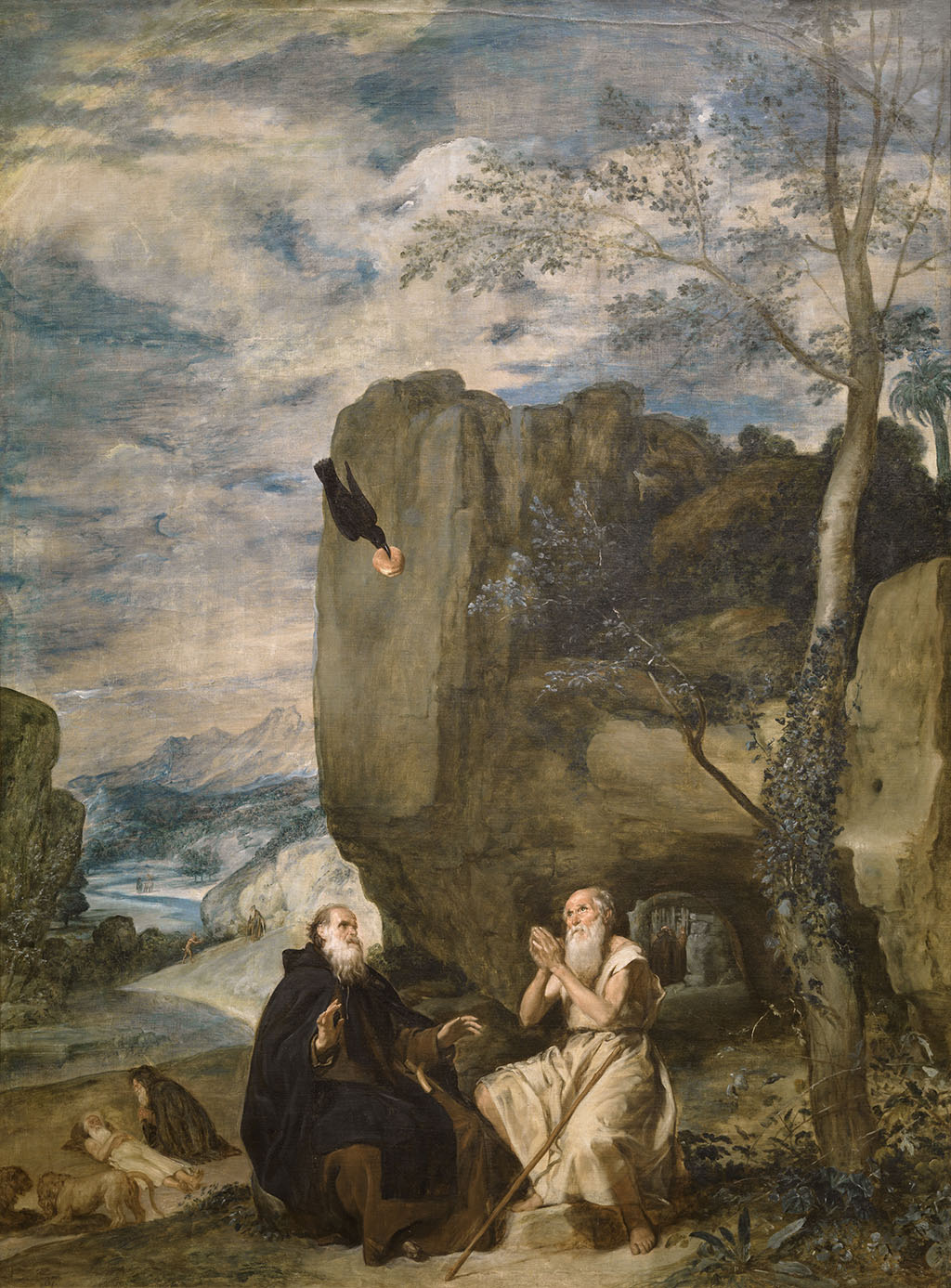
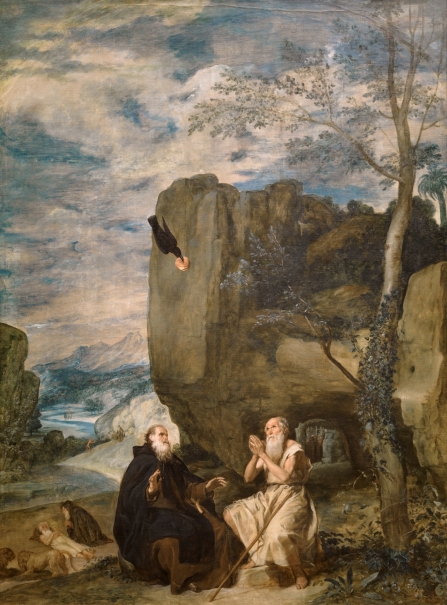
Saints Anthony Abbot and Paul the Hermit
Diego Velázquez
Room 14

In that sense, Calderón’s theatre never ceases to remind us that translation was a cultural phenomenon of enormous significance in his time, not only because it contributed to the revision of classical postulates by critically re-reading the sources, but also because it demonstrated the influence that interpretative processes have over reality. In a certain way, mythological fables, religious dogmas, craft techniques or pictorial practices, as well as the capture of stimuli through the senses and the nervous system, translate reality on the basis of human limitations.

Más información sobre las obras de la sección Traducir y repensar (Spanish only)

Critical Complicities

Critical Complicities
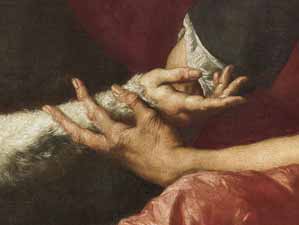
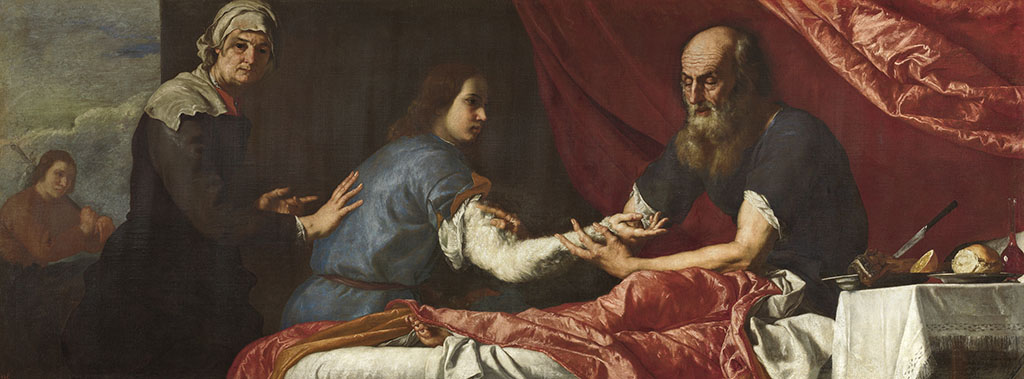
Isaac and Jacob
Jusepe de Ribera
Room 9

If Calderón’s theatre has had an enormous impact on later great artists, it is largely due to the importance that the author grants to reflection upon perception and communication. Although Calderón’s plays are sometimes dogmatic or propagandistic, there is always a critique of conventions and language. This critique subtly anticipates the profound changes that would shake the regimes that the author seems to defend.

Más información sobre las obras de la sección Complicidades críticas (Spanish only)

Identity Tolls

Identity Tolls
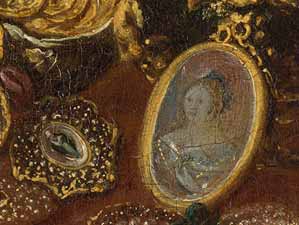
Photo © Museo Nacional del Prado

In Calderón de la Barca’s theatre, the world is understood as the projection of a wider reality. Thus, life consists of a perpetual the atricalisation. Such an approach highlights the enormous influence that creators can exert on collective imaginary. In order to access reality, our intelligence must pay the toll of the senses and the representational forms. So as to construct collective memory, artistic mediation is unavoidable.

Más información sobre las obras de la sección Los peajes de la identidad (Spanish only)

The Emergence of Contemporary Thought

The Emergence of Contemporary Thought
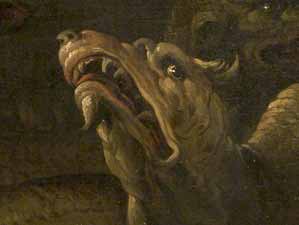
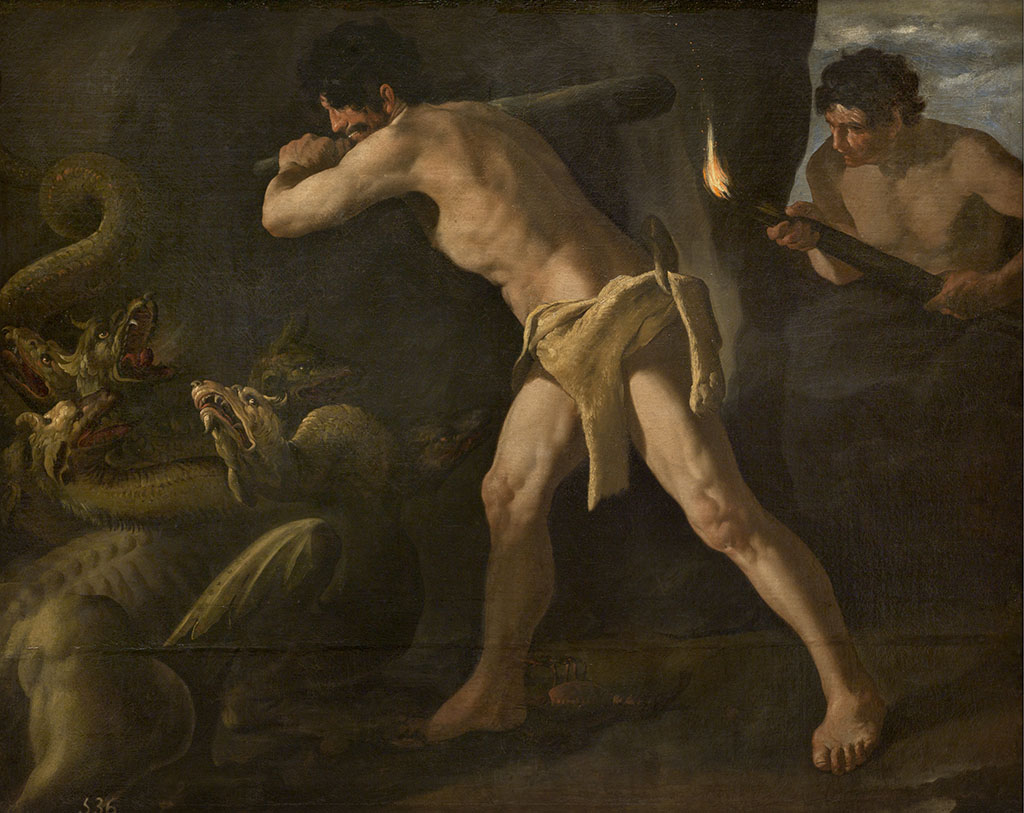
Hercules and the Hydra
Francisco de Zurbarán
Room 9A

To acknowledge the intellectual complexity of Calderón’s works, we should consider that the Reformation and the Counter-Reformation were neither homogeneous nor exactly antagonistic phenomena. In fact, syncretism with classical culture and the rediscovery of Early Christianity encouraged theological debates across Europe, creating a common ground for the development of contemporary scientific thought.

Más información sobre las obras de la sección La eclosión del pensamiento contemporáneo (Spanish only)

Artworks

Resources for the visit

Brochure

Digital Brochure

Print on demand

Print artworks available in our catalogue in high quality and your preferred size and finish.

Image archive

Request artworks available in our catalogue in digital format.

Up