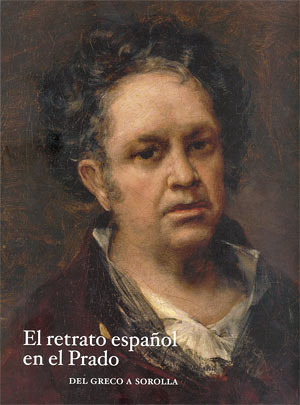
Spanish Portraits in the Prado: From El Greco to Sorolla
Espacio Cultural de CajaCanarias. Santa Cruz de Tenerife 10/1/2010 - 1/8/2011
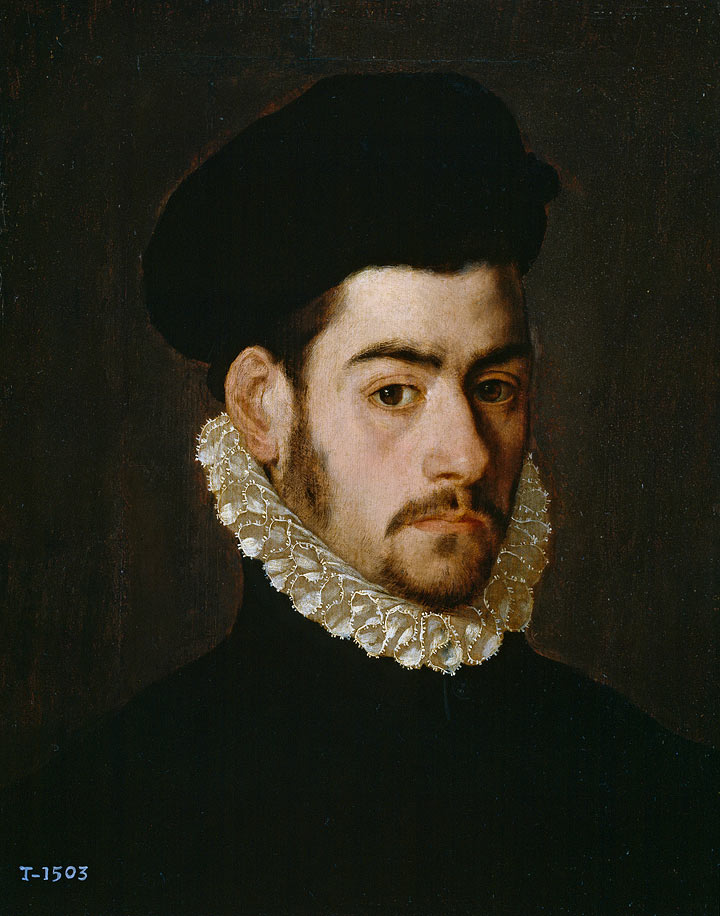
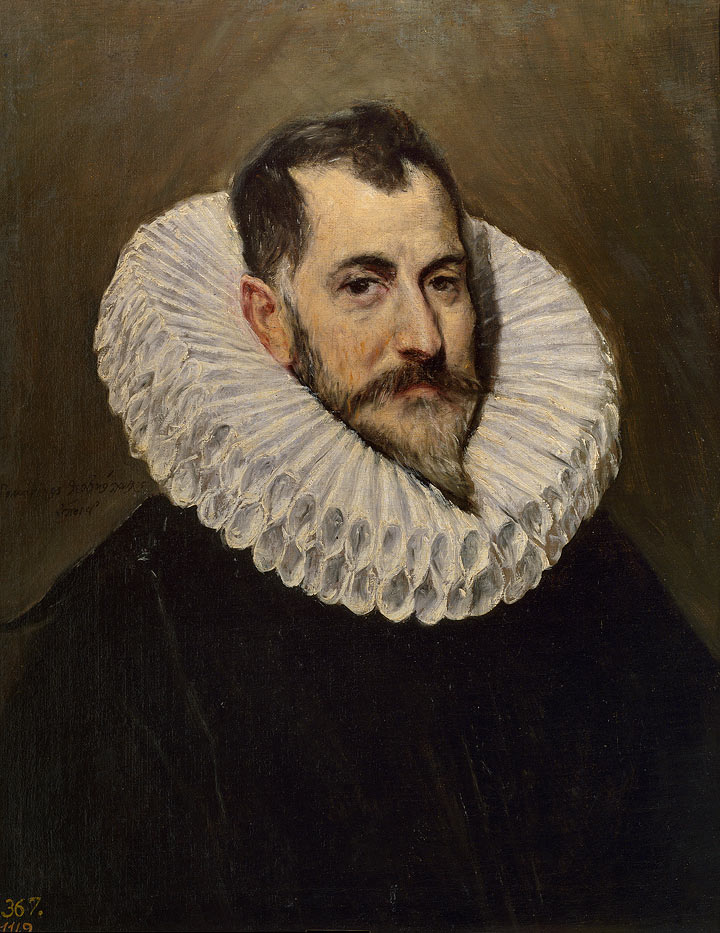
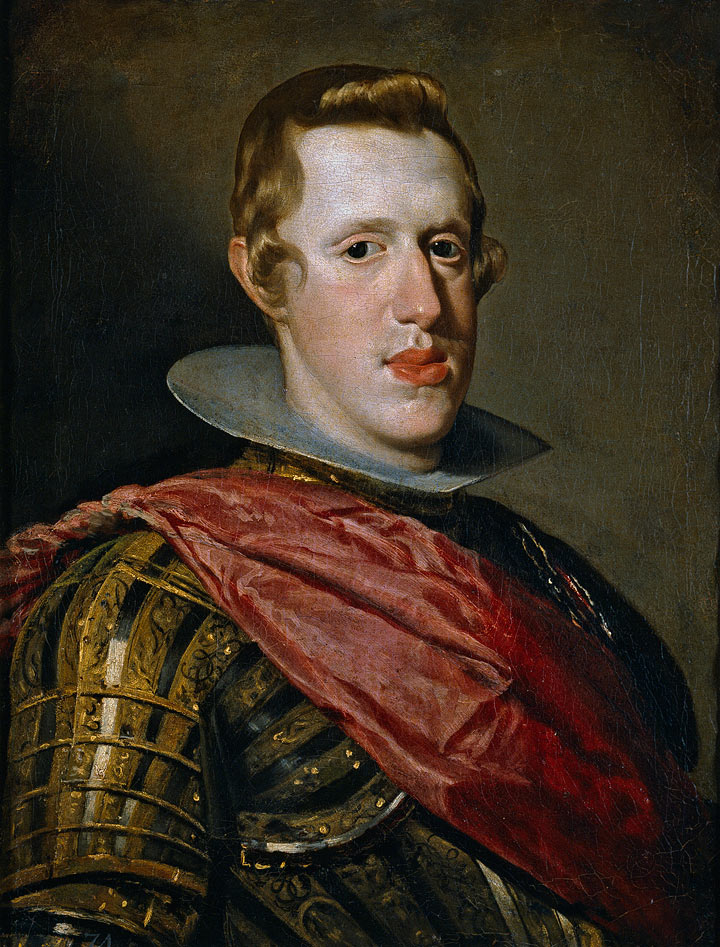
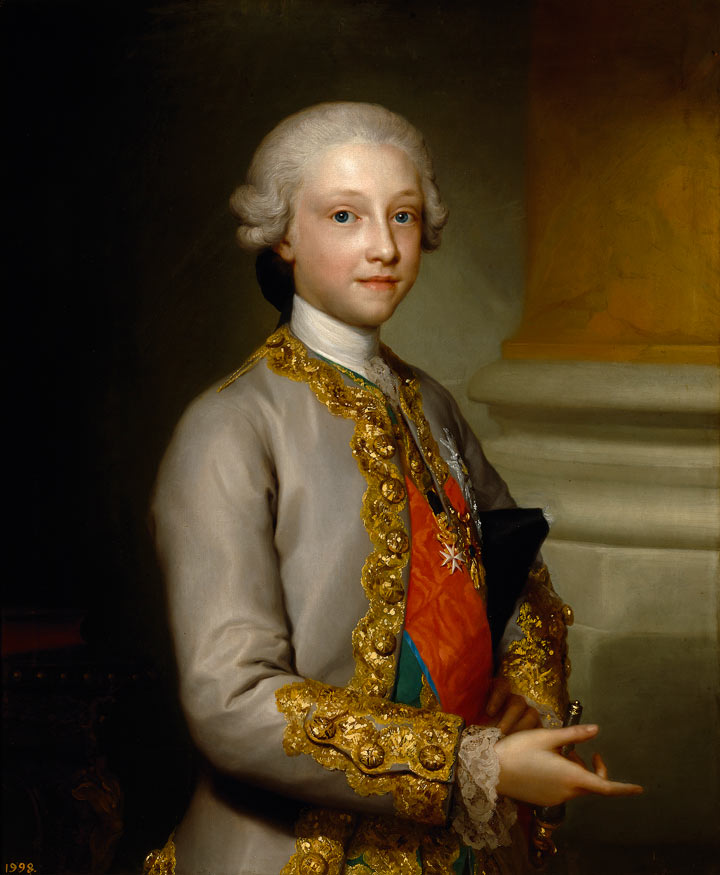
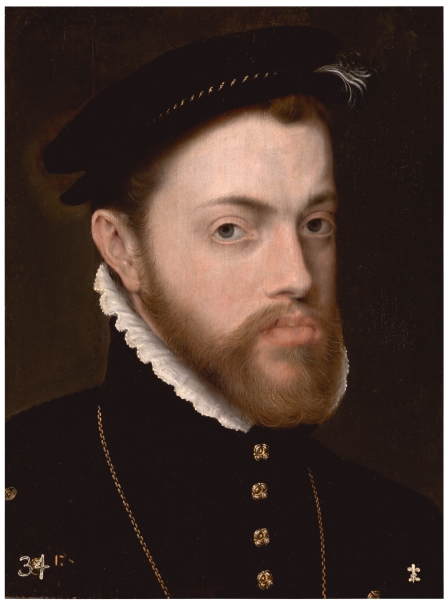
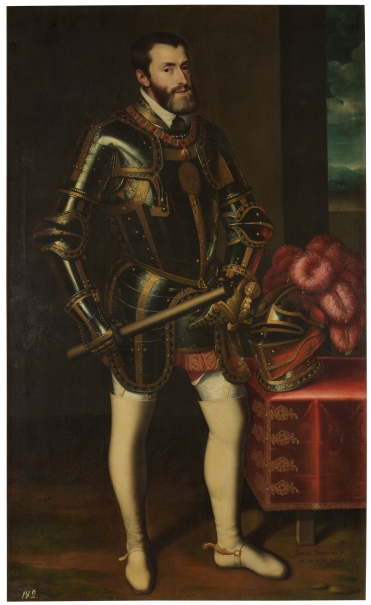
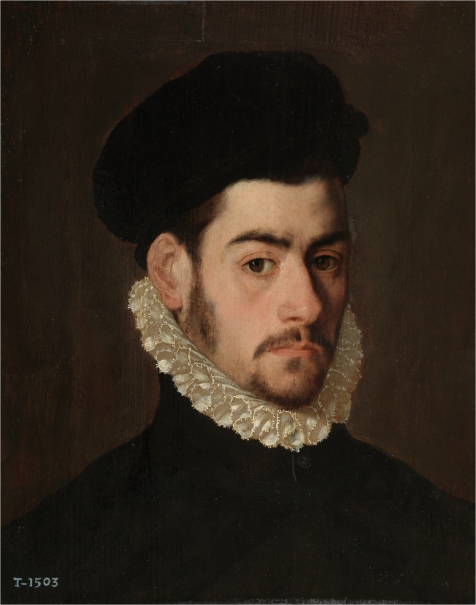
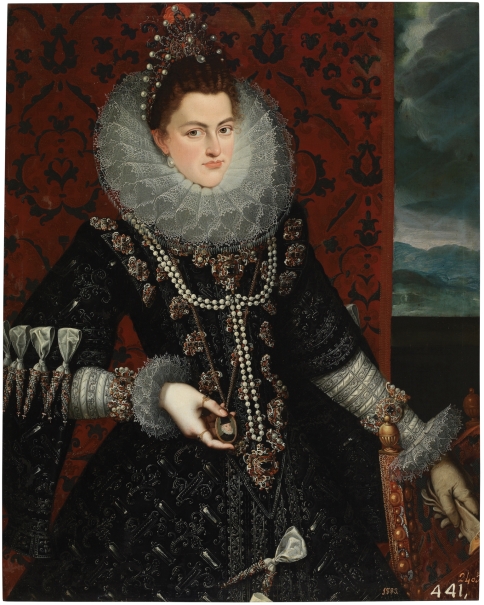
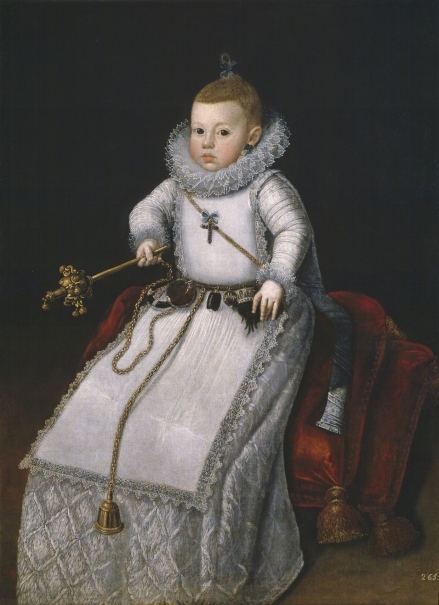
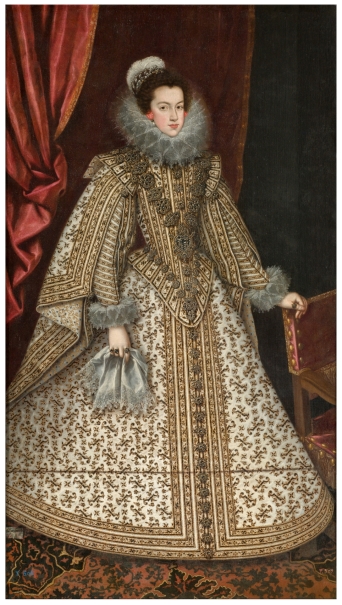
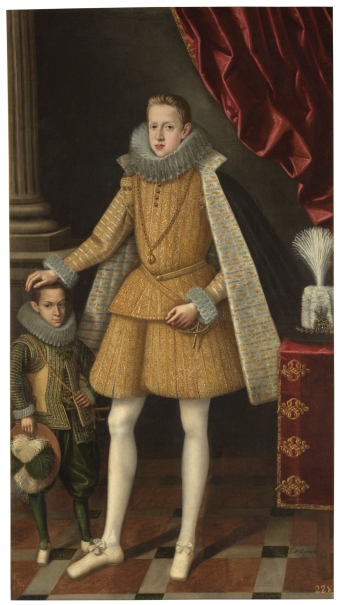
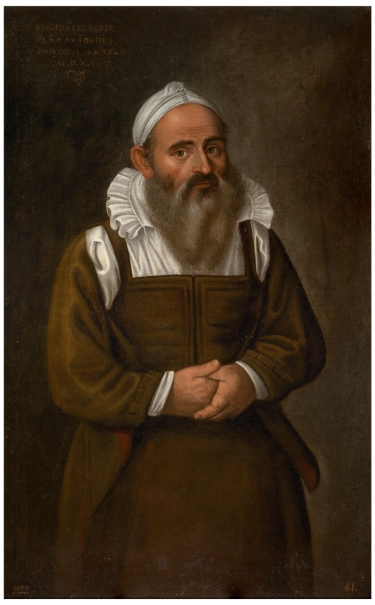
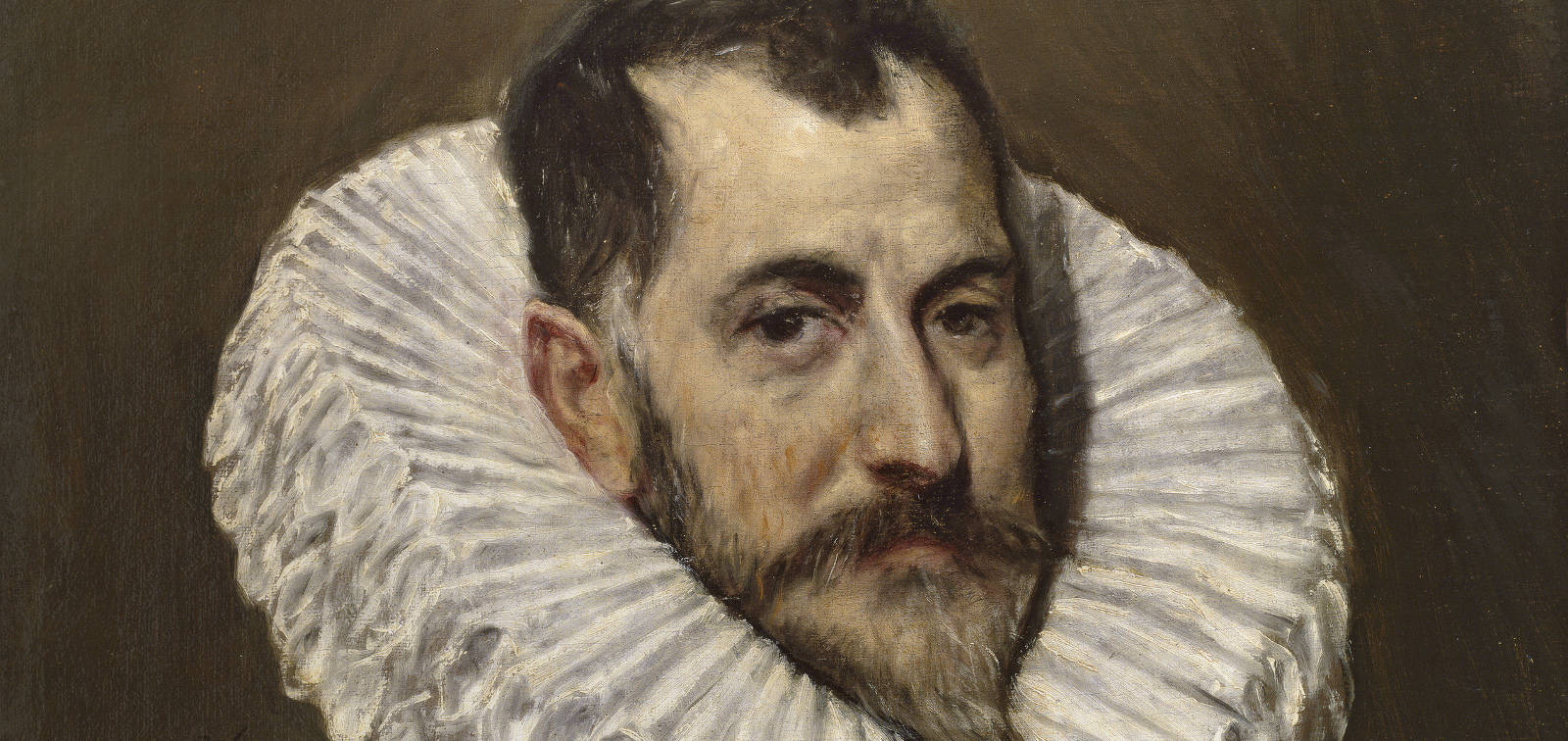
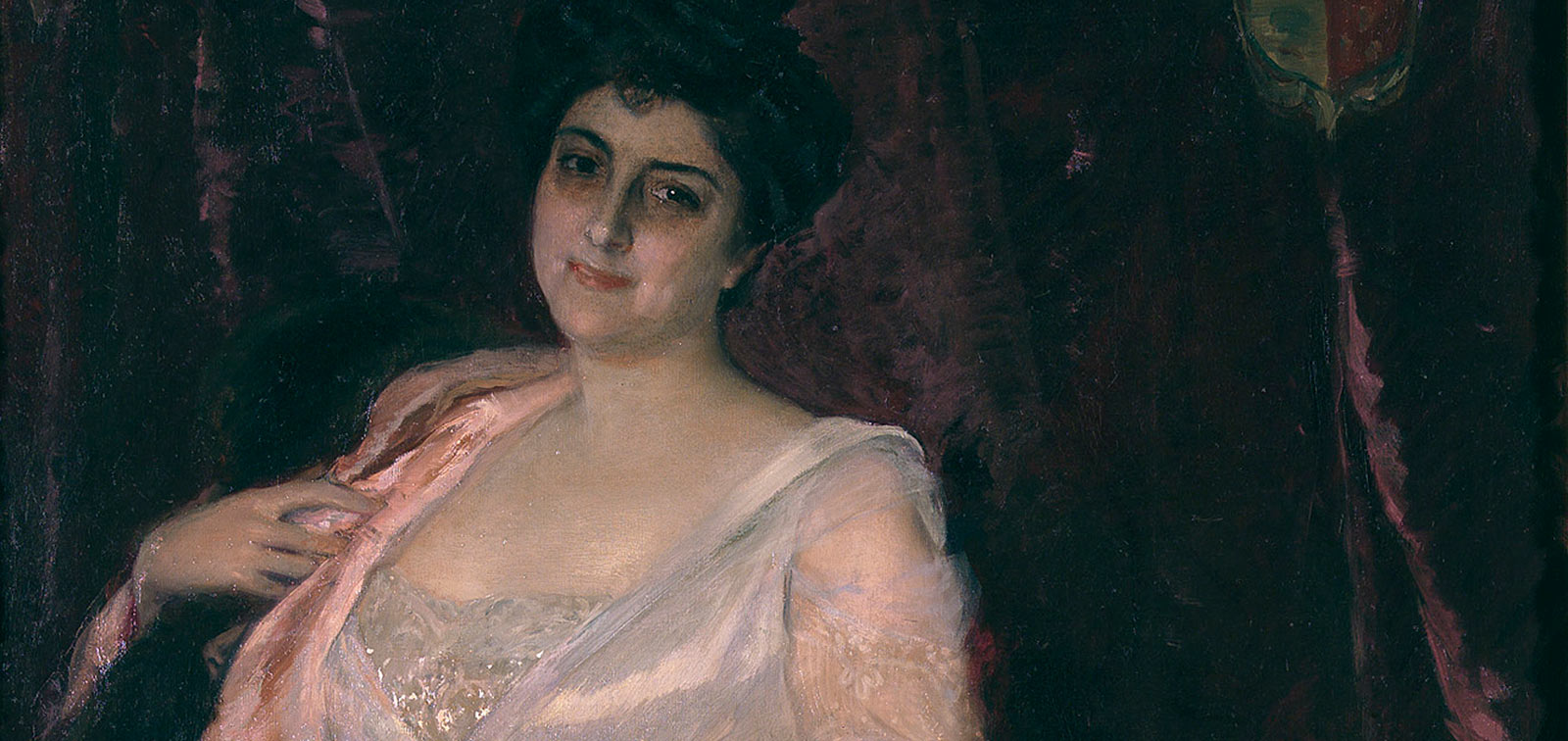
Spanish Portraits in the Prado. From El Greco to Sorolla presents an overview of a genre that is essential for gaining a proper understanding of Spanish painting. Seventy-three oil paintings, selected from the Prado’s vast collection of portraits, reveal the extraordinary quality, variety and appeal that this genre has enjoyed in our country from its appearance in the Renaissance until the late nineteenth century.
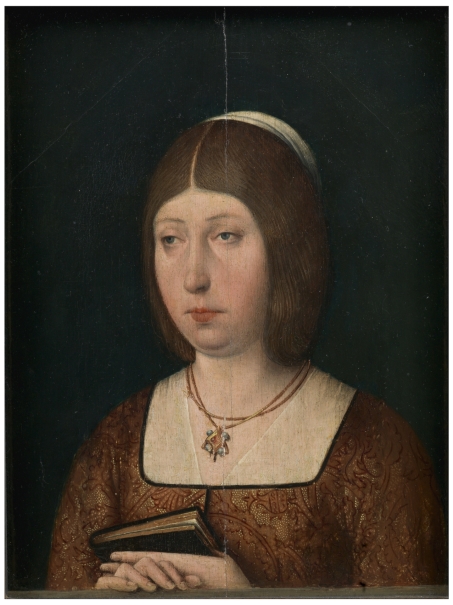
In Spain, portraiture as an independent genre emerged in the context of the court, where it served to immortalise the king and his family, conveying not only their physical traits but also a complex concept of state, dynasty and society. From the mid-1500s, court portraits almost always gave the Spanish Habsburgs the same solemn, serious, aloof appearance, regardless of sex or age. All additional elements (backdrop, furniture, attire, jewellery, armour and weapons) were included to reinforce that image of power and authority, giving rise to stereotypical formulas that endured into well into the eighteenth century, although the Bourbon dynasty brought new customs to court upon ascending to the Spanish throne in 1700.
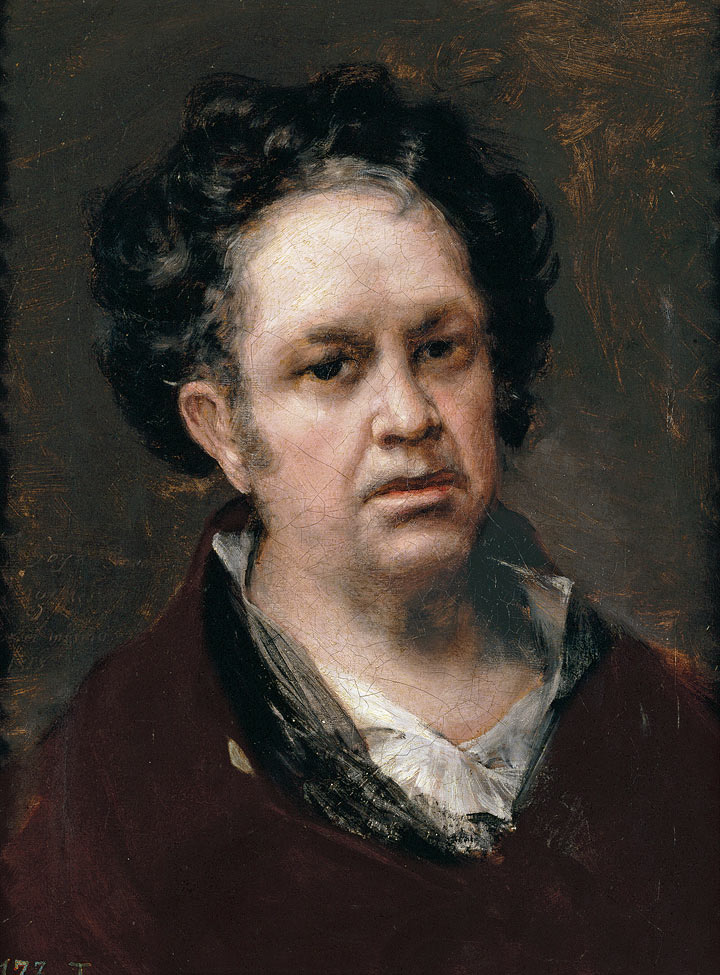
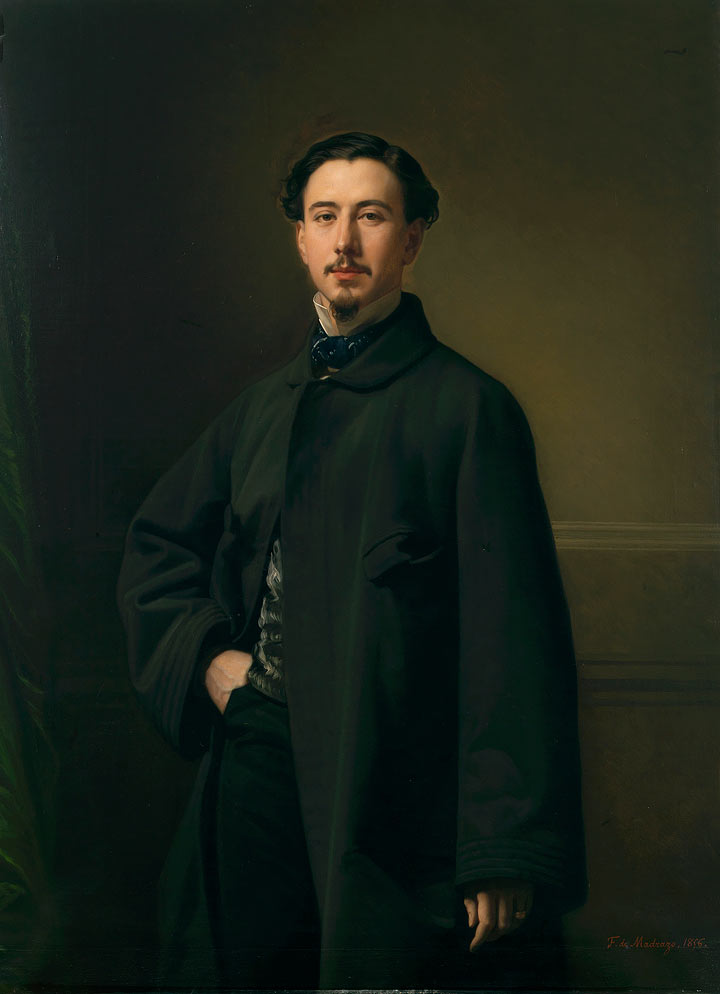
The show describes the genre’s stylistic development, types of portraits and the different social meanings that portraiture has had in Spain. This genre was cultivated by the most important Spanish painters—El Greco, Sánchez Coello, Velázquez, Carreño de Miranda, Murillo, Goya, Vicente López, Federico de Madrazo and Sorolla—as well as by some of the leading European painters who had ties to our country at some point, beginning with Titian and Anthonis Mor, who laid the foundations of the court portrait in Spain.
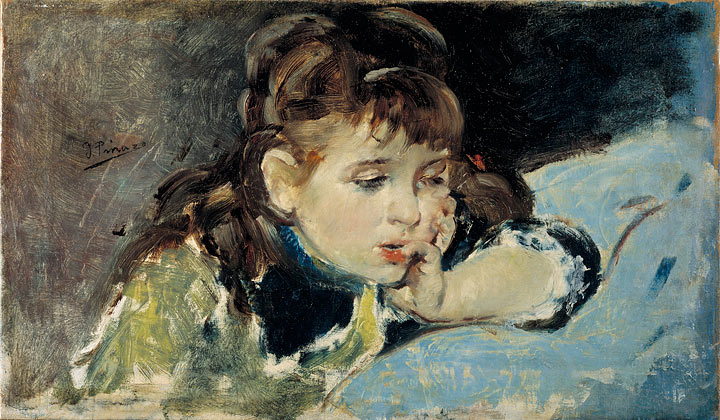
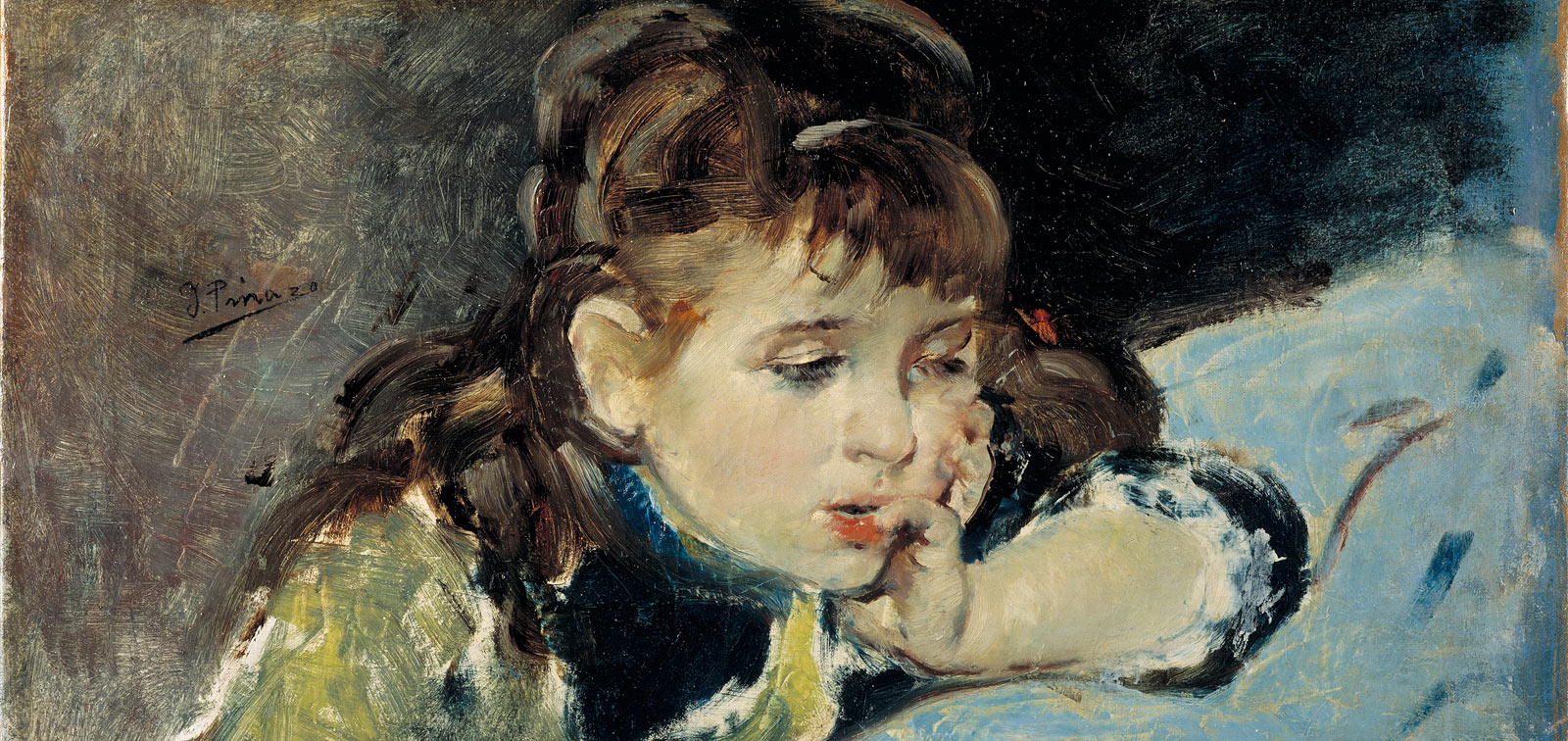
In the nineteenth century, the growing importance and prosperity of middle-class buyers led to an increase in portrait production and tempted many of the finest painters to embrace the genre. In the first third of the century, Goya’s genius was accompanied by Vicente López’s technical brilliance and the rigours of neoclassicism. The second third unveiled the splendour of Romanticism, particularly in Seville and Madrid, through the work of figures like Antonio María Esquivel and Federico de Madrazo. In the final decades of the 1800s, the paintings of Raimundo de Madrazo, Ignacio Pinazo and Joaquín Sorolla, among others, led the way to realism and naturalism. A very clear leitmotif shows that, throughout the century, portraitists looked to the traditions of the Spanish Golden Age, and particularly to Velázquez, a magnet for the majority of artists, especially since the founding of the Prado in 1819.
It is quite interesting to note the variety of types, some of which—royal and equestrian portraits, for example—had declined in popularity, while others—like self-portraits, group and family portraits, and children’s portraits—steadily gained ground throughout the century. All this proves that portraits are a valuable and faithful reflection of society’s transformations over that hundred-year period. Moreover, in the second half of the 1800s, photographic portraiture led to significant changes in conventions of representation.
- Curator:
- Leticia Ruiz Gómez, Senior Curator Spanish Painting before 1700 Department, and Javier Barón, Senior Curator Nineteenth-Century Painting Department